
- Individuals & Families
- Businesses
- Agents & Brokers
- Embedded Insurance

Protect your ring with Chubb Valuable Articles insurance and get the peace of mind and financial security you need.

Because pets are family, Chubb now offers pet insurance with top-rated coverage from Healthy Paws.

Chubb offers the insurance protection you need for travel’s many “what ifs”.

Chubb protects small businesses at every stage – from newly formed start-ups to long-time anchors of the community.

Stay ahead of cyber threats with our free Cyber Claims Landscape Report.

Learn more about our dedicated learning paths, Online Learning Center, and more.



Many digital-savvy consumers look for it as a core or add-on option.
Many digital-savvy consumers look for it as a core or add-on option.
Many digital-savvy consumers look for it as a core or add-on option.

Chubb’s in-house technology makes it easy to integrate what we do into your customer experience.

Many types of collecting categories such as fine art have experienced strong increases in value over the last decade. While some collectors enjoy closely tracking their “passion assets” along with other investments in their portfolio, many others are not attuned to fluctuations in desirability and market value, preferring simply to enjoy these objects.
The need for reappraisal
For insurance purposes, it is essential that up-to-date values be reflected in insurance policies. Collecting categories in need of specific valuations include, but are not limited to:
- Fine art
- Jewelry and watches
- Wine and spirits
- Baseball cards and sports memorabilia
- Stamps and coins
- Classic cars
- Luxury handbag collections and other collectibles
- Rare books and manuscripts
Chubb recommends obtaining reappraisals more often for collecting categories experiencing higher volatility. Keep in mind that policy provisions and premiums will differ depending on value and the collecting category. Some fine art policies, for example, will pay over a scheduled amount to accommodate rapid appreciation in value.
Chubb Fine Art and Collections Specialists can provide guidance on when to seek a reappraisal, depending on the type of asset and the pace of its market. This best practice helps ensure that a collector receives the appropriate replacement cost for an item in the event of an unforeseen covered loss such as theft or accidental damage.
Finding a qualified appraiser
There are many nuances to the fine art and luxury collectible markets, including changing trends in taste. Given the complexity of these markets, it is essential to identify a skilled appraiser who can accurately value the unique nature of an asset in the context of its category. Generally, the best appraisers possess a combination of education and experience in their area of professional focus.
Depending on the nature of an object being assessed, an appraiser with highly specific expertise may be necessary. For example, an appraiser specializing in Old Master paintings may not be an appropriate choice for valuing an artistically significant modernist sculpture.
In order to identify a qualified appraiser, Chubb clients can reach out to their agent or broker for a referral to a Chubb Fine Art and Collections Specialist who can provide customized recommendations. Collectors can also search for qualified appraisers via the membership databases of the three preeminent appraisal organizations focusing on tangible personal property:
Each organization has different levels of accreditation and certification that reflect an appraiser’s knowledge and experience.
Appraisal reports should comply with the Uniform Standards of Professional Appraisal Practice (USPAP) set by the Appraisal Foundation and adopted by Congress in 1989.
Understanding valuation methods
There are several types of value an appraiser may employ depending on the purpose of the assignment.
For insurance scheduling, retail replacement value (RRV) should generally be relied upon because it accounts for the urgency of procuring a similar item in the event of a loss. When a claim occurs, an item should be replaced promptly, generally by sourcing it from a retail setting rather than through a secondary market venue, such as an auction. RRV also accounts for fees, taxes, and associated services such as framing.
By contrast, fair market value (FMV) or secondary market value is “the price at which the property would change hands between a willing buyer and willing seller, neither being under any compulsion to buy or sell and both having reasonable knowledge of the facts.”1
Due to these factors, RRV is often higher than FMV. However, there are instances, particularly pertaining to the markets for pre-owned timepieces and Ultra-Contemporary Art2, where the retail value may be lower than the secondary market value due to market availability. Clients with exclusive access to a limited-edition luxury collectible may find that their original purchase price is significantly less than the resale value on the secondary market, where a wider audience could vie for the item. In these cases, the appraiser will evaluate the appropriate marketplace for determining the right replacement cost for the object.
1IRS definition as stated in the Treasury Regulation Sections 20.2031-1 (b).
2Widely defined as art created by contemporary artists born after 1975, and/or younger than 40 years old.
Insights and expertise

How to insure fine art
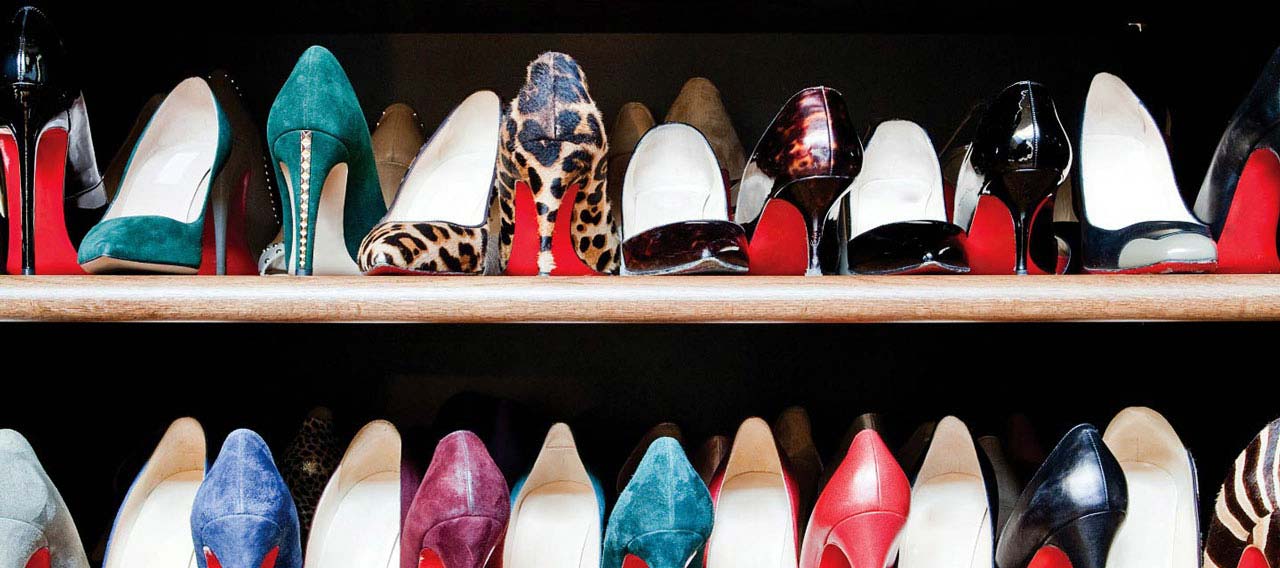
5 items not to overlook when valuing your wardrobe

Protecting a luxury handbag investment: Tips for next gen collectors

The power behind the sports memorabilia market
This document is advisory in nature and is offered as a resource to be used together with your professional insurance advisors in maintaining a loss prevention program. It is an overview only, and is not intended as a substitute for consultation with your insurance broker, or for legal, engineering or other professional advice.
Chubb is the marketing name used to refer to subsidiaries of Chubb Limited providing insurance and related services. For a list of these subsidiaries, please visit our website at www.chubb.com. Insurance provided by ACE American Insurance Company and its U.S. based Chubb underwriting company affiliates. All products may not be available in all states. This communication contains product summaries only. Coverage is subject to the language of the policies as actually issued. Surplus lines insurance sold only through licensed surplus lines producers. Chubb, 202 Hall's Mill Road, Whitehouse Station, NJ 08889-1600.