
- Individuals & Families
- Businesses
- Agents & Brokers
- Embedded Insurance

Protect your ring with Chubb Valuable Articles insurance and get the peace of mind and financial security you need.

Because pets are family, Chubb now offers pet insurance with top-rated coverage from Healthy Paws.

Chubb offers the insurance protection you need for travel’s many “what ifs”.

Chubb protects small businesses at every stage – from newly formed start-ups to long-time anchors of the community.

Stay ahead of cyber threats with our free Cyber Claims Landscape Report.

Learn more about our dedicated learning paths, Online Learning Center, and more.



Many digital-savvy consumers look for it as a core or add-on option.
Many digital-savvy consumers look for it as a core or add-on option.
Many digital-savvy consumers look for it as a core or add-on option.

Chubb’s in-house technology makes it easy to integrate what we do into your customer experience.
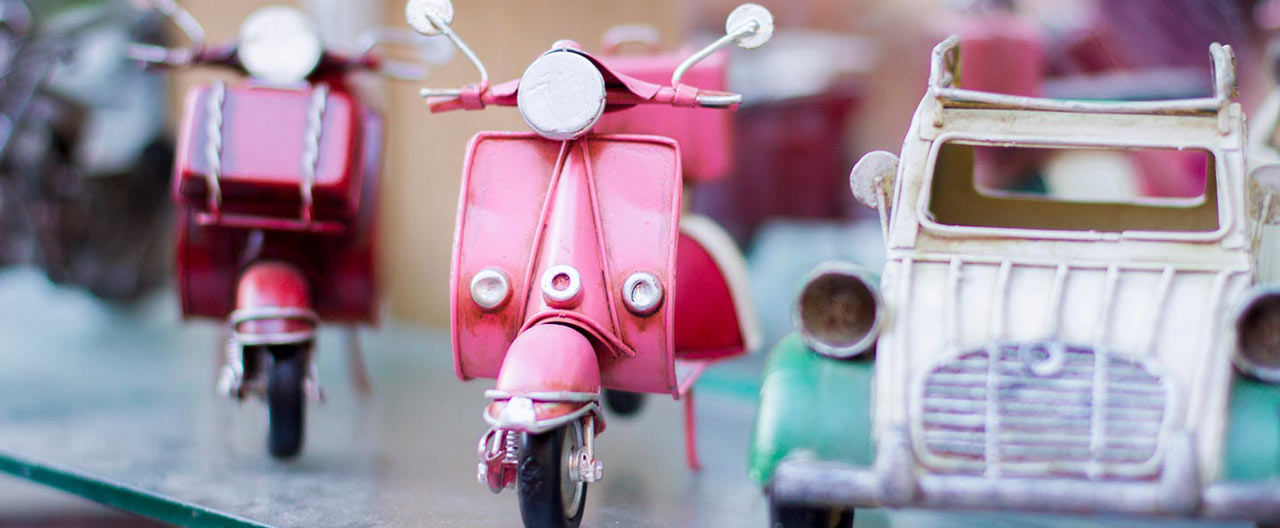
When you were young, you collected Hot Wheels, Pez dispensers, and Lionel trains. You bought all of the accessories you could find and kept them in excellent condition. But are your vintage toys worth money now – or is their only value sentimental? Let’s take a look at how you can tell an old toy from a collectible worth insuring.
Rarity adds value.
Generally speaking, vintage toys that were made in small quantities often bring a higher value than those that were mass produced. That means, if you own one of the 2,000 “Peanuts” royal blue beanie baby elephants that were manufactured with a darker blue coat than originally intended, you might have something valuable on your hands. In fact, due to a manufacturer error, this is the most collectible beanie baby around – and worth about $5,000.
The older the better, sometimes.
Just because you own an old toy, doesn’t necessarily make it valuable. However, older models of toys and games are often made with materials or technology that are not used today.
To date an antique toy, check the patent, maker’s mark, or country of origin mark on the toy. Or, look for an embossed, stenciled, or printed patent number on the toy or box, and send it to the U.S. Patent Office; for a fee, they will give you information about the original patent application, the name of the inventor or maker, and a date range in which the toy was made.
Condition matters.
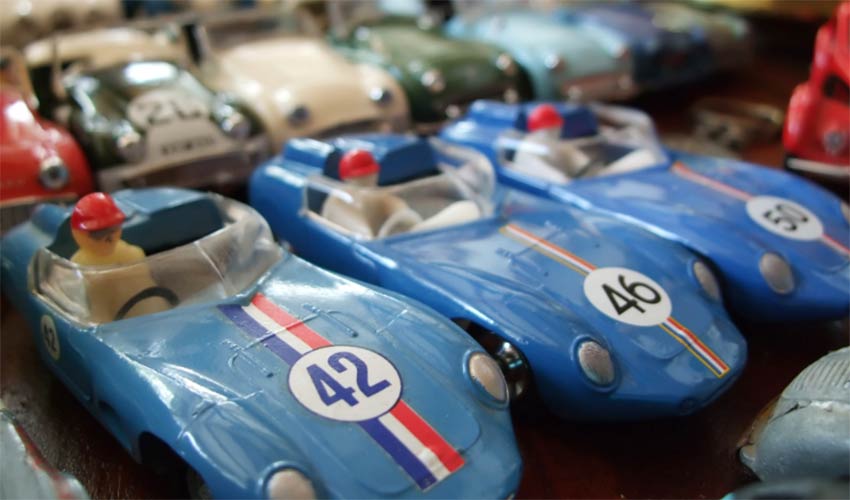
In the world of antiques, mint condition means that the original toy is still in its original box with the instructions – and has never been opened. Mint condition toys are typically worth much more than those that have been opened, played with, and show wear and tear.
Material can make a big difference.
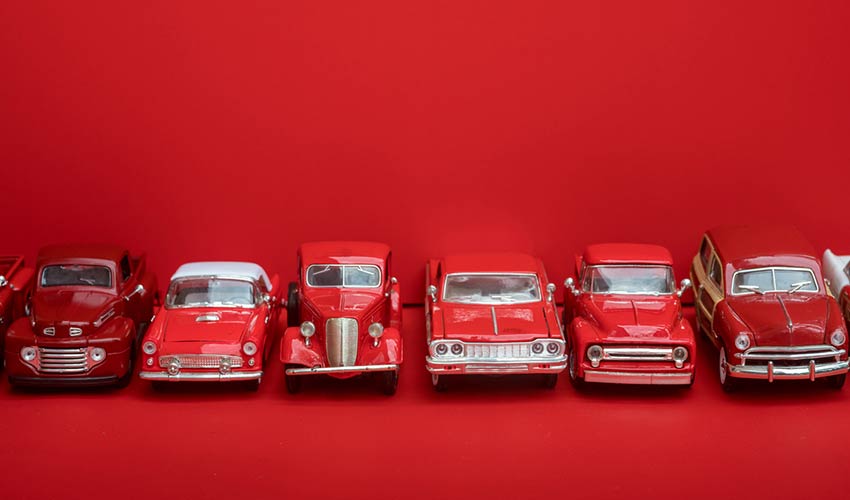
Think metal, diecast Hot Wheels, made back in the 1970s, instead of the plastic versions made today. Or, the original hand-drawn, oil cloth version of Monopoly, made in 1933 (which sold at Sotheby’s in 2011 for $146,500).
If it needs to be restored, have an expert do it.
While normal wear and tear is generally acceptable to most toy collectors, if something needs fixing (a spring mechanism or mechanical part), you are smart to have a professional do the work. That’s because, if you ever want to sell the toy, the restorations must be done well to maintain its value.
Value may be in the eyes of the beholder.
Vintage toy collecting may be one of the most fun hobbies there is – especially if you can play with them – and one of the fastest growing fields in collecting. However, not every toy you cherish may actually be of value to others. Your best bet is to collect what you enjoy – and if it becomes an investment-worthy purchase, great. If not, you’ll still be able to enjoy your collection yourself!
If you have a large collection of antique toys or a few valuable pieces, consider getting them appraised and purchasing a valuable articles insurance policy, to help protect them against damage, loss or theft. Look for a worldwide policy so your collection is protected at your home, in transit, and in storage.
Insights and expertise
5 items not to overlook when valuing your wardrobe

Protecting a luxury handbag investment: Tips for next gen collectors

The power behind the sports memorabilia market

Next gen’s passion for pop culture collectibles
This document is advisory in nature and is offered as a resource to be used together with your professional insurance advisors in maintaining a loss prevention program. It is an overview only, and is not intended as a substitute for consultation with your insurance broker, or for legal, engineering or other professional advice.
Chubb is the marketing name used to refer to subsidiaries of Chubb Limited providing insurance and related services. For a list of these subsidiaries, please visit our website at www.chubb.com. Insurance provided by ACE American Insurance Company and its U.S. based Chubb underwriting company affiliates. All products may not be available in all states. This communication contains product summaries only. Coverage is subject to the language of the policies as actually issued. Surplus lines insurance sold only through licensed surplus lines producers. Chubb, 202 Hall's Mill Road, Whitehouse Station, NJ 08889-1600.