
- Individuals & Families
- Businesses
- Agents & Brokers
- Embedded Insurance

Protect your ring with Chubb Valuable Articles insurance and get the peace of mind and financial security you need.

Because pets are family, Chubb now offers pet insurance with top-rated coverage from Healthy Paws.

Chubb offers the insurance protection you need for travel’s many “what ifs”.

Chubb protects small businesses at every stage – from newly formed start-ups to long-time anchors of the community.

Stay ahead of cyber threats with our free Cyber Claims Landscape Report.

Learn more about our dedicated learning paths, Online Learning Center, and more.



Many digital-savvy consumers look for it as a core or add-on option.
Many digital-savvy consumers look for it as a core or add-on option.
Many digital-savvy consumers look for it as a core or add-on option.

Chubb’s in-house technology makes it easy to integrate what we do into your customer experience.
At a Glance
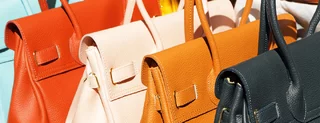
The U.S. luxury handbag market is projected to grow from $10.8 billion in 2024 to $16.9 billion by 20331, with nearly 60 percent of buyers now Millennials or younger. Value is determined by brand, rarity, materials, age, size, condition, and provenance, while a booming secondary market and artistic collaborations continue to fuel demand. With handbags now functioning as major investments, specialized Valuable Articles Coverage is essential for helping to protect these assets.
While luxury handbags have always been appreciated for their century old craftmanship, this perception has evolved as younger buyers now view heritage handbags as investments. However, most next gen collectors don’t have the contacts to purchase luxury bags through the primary market. To buy a Hermès Birkin or Kelly bag from a boutique, a buyer needs to have a relationship with a Hermès sales associate. Even then, the bag offered may not be in the color and size wanted, and there may be a limit of two quota bags per year. These factors have led to a thriving secondary market, which allows collectors to skip the line and access the latest limited edition or rare vintage pieces.
Auction houses that did not have major handbag sales a few years ago now have dedicated luxury departments with handbags as a key component. With sought after items from luxury handbag designers like Hermès, Chanel, and Louis Vuitton, auction houses are actively attracting younger buyers. In fact, according to Christie’s, nearly 60% of handbag buyers are Millennials or younger.2
In addition to major luxury brands, handbags featuring artistic collaborations, blending art and fashion, and increasing cultural cachet are popular among younger generations like Gen Z these days. For example, the reissue of Louis Vuitton x Takashi Murakami in 2025 is poised to be a resale star, as historically LV x Murakami bags have resold at 50% or more above retail.6
Key factors influencing the value of a pre-owned luxury handbag
- Authentication and documentation – Buy from a trusted seller who is a specialist. Look for the original packaging including the authenticity card, receipt, original dust bag and box, which can help to verify authenticity.
- Rare materials – Crocodile and alligator Hermès bags often fetch prices in the multiples of their calfskin equivalents. Exotics like ostrich and lizard command even higher prices.3
- Exclusivity – Limited editions, collaborations, or rare handbags can significantly impact demand and drive higher values. For example, recent Hermès “it” colors such as Beton, Vert Verone, or Rose Sakura command huge premiums, especially when supply is low.4
- Brand and Design – Iconic designs like the Hermès Birkin and the Chanel 2.55 Flap are timelessly in demand and are more likely to hold their value. Modern interpretations like the smaller Hermès Kelly 20s and Mini Birkin’s have surged in popularity among younger buyers.4
- Condition – If you’re thinking of buying without seeing a bag in person, ask for detailed photos and a condition report. Is the bag in pristine condition or does it show signs of wear in key areas like the corners, hardware, and interior? Unused “store fresh” Hermès Birkin or Kelly bags can sell for double, or triple used equivalents.4
- Provenance and cultural narrative – Jane Birkin’s personal Hermès prototype sold at Sotheby’s Paris for over $10 million, shattering expectations and becoming the most expensive fashion accessory ever sold in Europe. In this case, the owner and history drove the price.5
FAQs
The market is projected to grow from $10.8 billion in 2024 to $16.9 billion by 2033, fueled by younger buyers (Millennials and Gen Z), a booming secondary market, and artistic collaborations between brands and artists.1,2,6
Younger buyers view heritage handbags as investments due to their potential for high resale value, rarity, and cultural significance. Limited access to primary market purchases and the rise of the secondary market makes these items attractive investment assets.2,4,6
Key factors include authentication and documentation, rare materials (e.g., crocodile, alligator, ostrich, lizard), exclusivity (limited editions, collaborations), brand and design, condition, and provenance or cultural narrative.3,4,5
The secondary market allows collectors to bypass boutique restrictions, access rare or limited-edition pieces, and participate in auctions, which now attract nearly 60% Millennial or younger buyers.2
As handbags become major investments, Valuable Articles Coverage is essential to protect these assets against loss, theft, or damage, ensuring the unique needs of each piece or collection are addressed.2
Insights and expertise
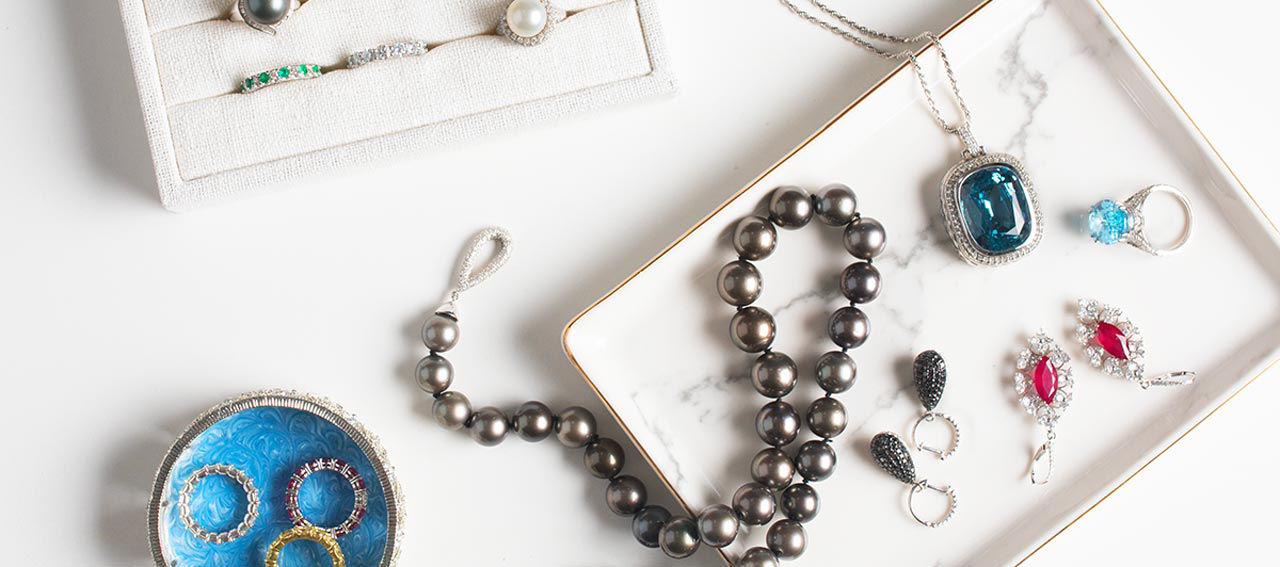
How do I get my jewelry appraised?
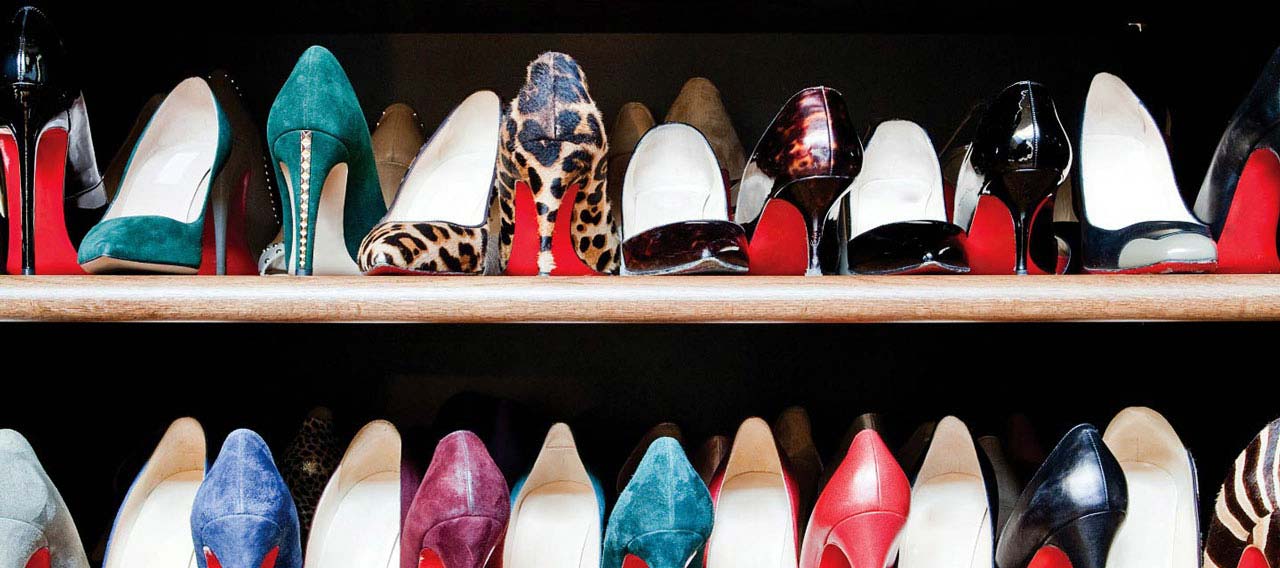
5 items not to overlook when valuing your wardrobe
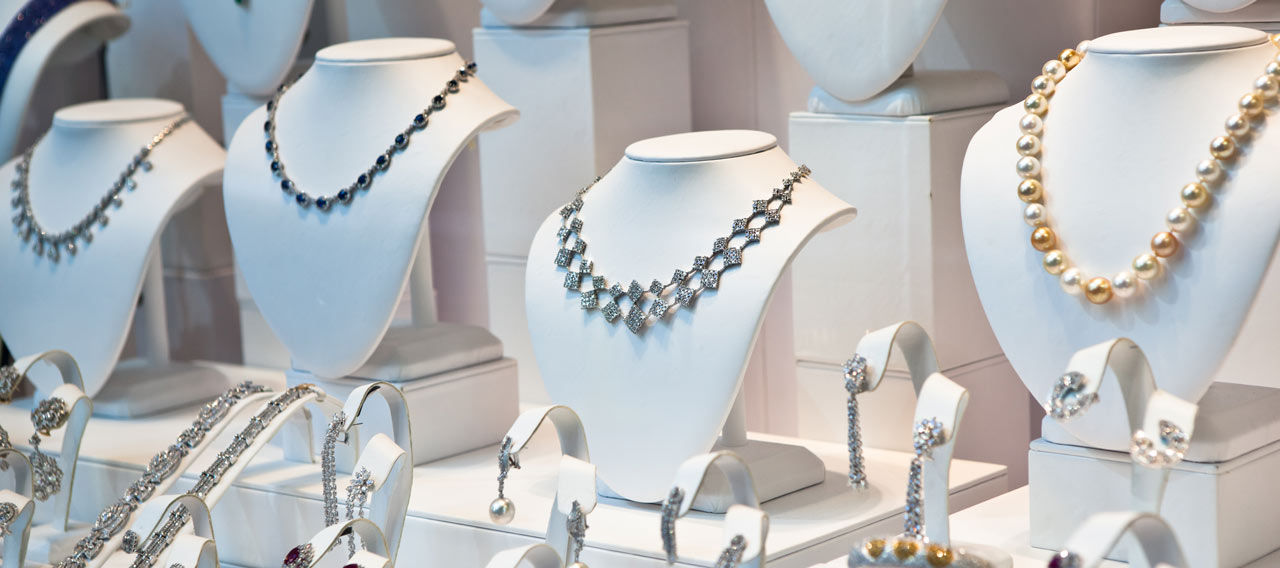
How to insure high-value jewelry

Protecting a luxury handbag investment: Tips for next gen collectors
This document is advisory in nature and is offered as a resource to be used together with your professional insurance advisors in maintaining a loss prevention program. It is an overview only, and is not intended as a substitute for consultation with your insurance broker, or for legal, engineering or other professional advice.
Chubb is the marketing name used to refer to subsidiaries of Chubb Limited providing insurance and related services. For a list of these subsidiaries, please visit our website at www.chubb.com. Insurance provided by ACE American Insurance Company and its U.S. based Chubb underwriting company affiliates. All products may not be available in all states. This communication contains product summaries only. Coverage is subject to the language of the policies as actually issued. Surplus lines insurance sold only through licensed surplus lines producers. Chubb, 202 Hall's Mill Road, Whitehouse Station, NJ 08889-1600.