
- Individuals & Families
- Businesses
- Agents & Brokers
- Embedded Insurance

Protect your ring with Chubb Valuable Articles insurance and get the peace of mind and financial security you need.

Because pets are family, Chubb now offers pet insurance with top-rated coverage from Healthy Paws.

Chubb offers the insurance protection you need for travel’s many “what ifs”.

Chubb protects small businesses at every stage – from newly formed start-ups to long-time anchors of the community.

Stay ahead of cyber threats with our free Cyber Claims Landscape Report.

Learn more about our dedicated learning paths, Online Learning Center, and more.



Many digital-savvy consumers look for it as a core or add-on option.
Many digital-savvy consumers look for it as a core or add-on option.
Many digital-savvy consumers look for it as a core or add-on option.

Chubb’s in-house technology makes it easy to integrate what we do into your customer experience.

Luxury handbags, fine jewelry, watches, and other personal collectibles often travel with their owners aboard private yachts. While a yacht offers exceptional freedom and comfort, the marine environment introduces risks that differ significantly from those in a home or vault. Salty air, water, humidity, motion, changing climates, and varying accessibility all require a more intentional approach to protecting luxury objects at sea.
1. Plan for risk and coverage before you sail
Before bringing luxury objects on board, review coverage with your insurance provider to ensure items are properly insured while at sea and when in port. Coverage should reflect current market values and account for travel, storage, and movement between locations.
Maintain current appraisals for jewelry and other high value items, as fluctuating markets and rarity can affect replacement costs. Store appraisals, receipts, and supporting documentation securely off the vessel for immediate access if needed and consider maintaining backup copies.
As part of voyage planning, complete condition checks and take photographs of high value items prior to departure and again upon arrival, noting any changes observed. This documentation can be helpful for both risk management and insurance purposes.
2. Store objects with movement and moisture in mind
Unlike a static environment, yachts are in constant motion. Storage solutions onboard such vessels should therefore prioritize stability, airflow, and protection from vibration.
- Store handbags in breathable dust bags and structured compartments that prevent shifting. Avoid hanging bags, which can strain handles and distort shape when the vessel is in motion.
- Use padded drawers or lined cases for jewelry and watches, with individual compartments to prevent contact, scratching, or tangling.
- Separate metals from leather, textiles, and softer materials to reduce friction and wear caused by movement.
- Avoid placing luxury objects near exterior walls, portholes, or areas prone to condensation, or temperature fluctuation.
3. Creating a safe environment on board
Salty air, humidity, and heat are among the greatest threats to luxuries on board.
- Maintain stable temperature and humidity levels in storage areas whenever possible.
- Use moisture absorbing materials such as silica packs, monitoring them regularly and replacing as needed.
- Minimize exposure to direct sunlight, which can fade leather, fabrics, and certain semi-precious gemstones like amethysts or quartz over time.
- Avoid storing items near engine rooms, galleys, or mechanical spaces where heat and moisture levels may fluctuate.
4. Secure objects during voyages and rough conditions
Prior to departure, confirm that all luxury objects are secured for travel.
- Line drawers and shelves with non-slip materials to reduce shifting during rough seas.
- For longer voyages or ocean crossings, consider professionally packing valuable or fragile items in padded cases or crates designed for transport.
- During periods of heavy weather, relocate high value items to the most stable areas of the yacht and limit access to those spaces.
5. Account for security on board and in port
Security risks can vary significantly depending on location, itinerary, and crew size.
- Clearly define who has access to storage areas where luxury objects are kept, particularly while in port.
- Conduct background checks on crew and consider confidentiality agreements when appropriate.
- Use onboard security systems such as alarms and cameras to deter unauthorized access and provide alerts when needed.
- When selecting marinas or yacht clubs, consider dock security, controlled access points, and monitoring practices as part of your overall risk management approach
- If you own your vessel, its recommended that a high security safe is installed that is bolted to the floor to safekeep smaller objects like jewelry and watches
6. Prepare for severe weather and emergencies
Luxury objects should be part of your broader onboard emergency planning.
- Maintain a prioritized list of high value personal objects that should be removed whenever feasible from the yacht during hurricane season, extended lay up, refit, or major storms.
- Designate secure onboard locations and off site options for temporary storage if evacuation becomes necessary.
- When planning for evacuation, consider consulting with specialty storage facilities or professional shippers experienced in handling high value luxury objects to support safe relocation if required.
- Review emergency procedures seasonally and ahead of significant voyages to ensure preparedness.
A thoughtful approach to luxury living at sea
Protecting luxury objects on board a yacht requires anticipating conditions that differ from everyday environments. By planning for motion, moisture, security, and severe weather, collectors can preserve their most personal possessions while navigating life at sea.
Insights and expertise

All Paws on Deck: The Ultimate Guide to Safe Boating Adventures with Your Pet
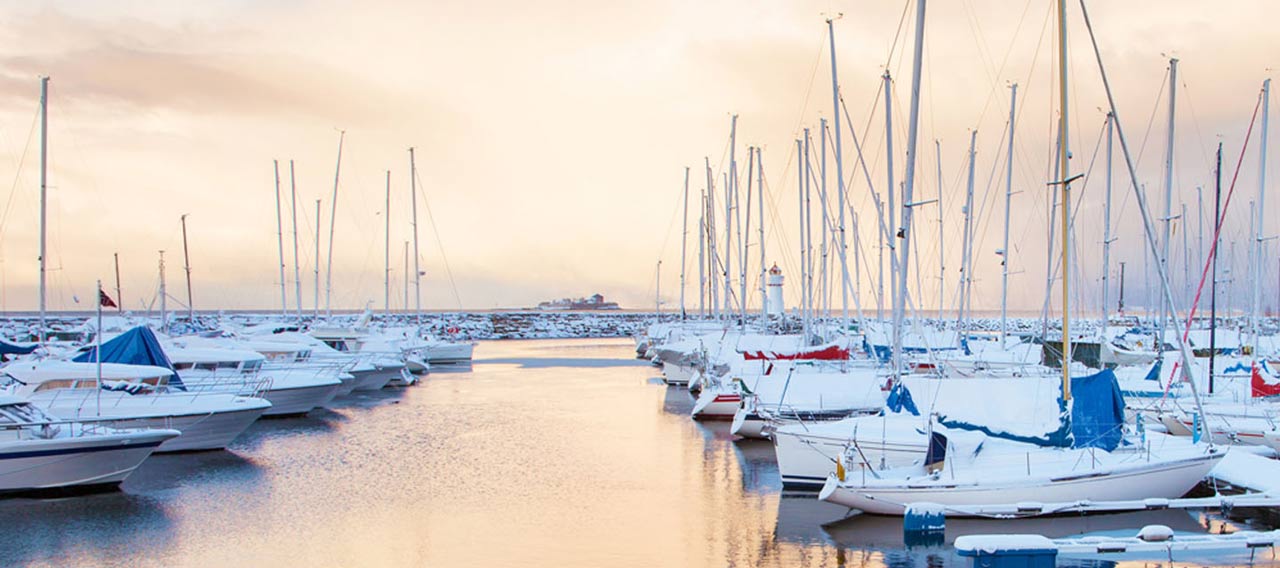
Going into layup: Preparing your vessel for winter storage

5 items not to overlook when valuing your wardrobe
Useful boating sites
This document is advisory in nature and is offered as a resource to be used together with your professional insurance advisors in maintaining a loss prevention program. It is an overview only, and is not intended as a substitute for consultation with your insurance broker, or for legal, engineering or other professional advice.
Chubb is the marketing name used to refer to subsidiaries of Chubb Limited providing insurance and related services. For a list of these subsidiaries, please visit our website at www.chubb.com. Insurance provided by ACE American Insurance Company and its U.S. based Chubb underwriting company affiliates. All products may not be available in all states. This communication contains product summaries only. Coverage is subject to the language of the policies as actually issued. Surplus lines insurance sold only through licensed surplus lines producers. Chubb, 202 Hall's Mill Road, Whitehouse Station, NJ 08889-1600.