
- Individuals & Families
- Businesses
- Agents & Brokers
- Embedded Insurance

Protect your ring with Chubb Valuable Articles insurance and get the peace of mind and financial security you need.

Because pets are family, Chubb now offers pet insurance with top-rated coverage from Healthy Paws.

Chubb offers the insurance protection you need for travel’s many “what ifs”.

Chubb protects small businesses at every stage – from newly formed start-ups to long-time anchors of the community.

Stay ahead of cyber threats with our free Cyber Claims Landscape Report.

Learn more about our dedicated learning paths, Online Learning Center, and more.



Many digital-savvy consumers look for it as a core or add-on option.
Many digital-savvy consumers look for it as a core or add-on option.
Many digital-savvy consumers look for it as a core or add-on option.

Chubb’s in-house technology makes it easy to integrate what we do into your customer experience.
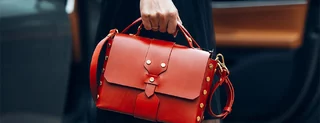
At a Glance
Younger collectors are increasingly investing in luxury handbags with brands such as Hermès and Chanel. These high-value items face unique risks — from special occasional wear to theft and international travel requirements. Specialized Valuable Articles Coverage, regular appraisals, and proper care at home and on the go are essential to safeguard their worth.
In the last few years, younger generations have developed a keen interest in luxury handbags by brands such as Hermès, Chanel, and Louis Vuitton — often paying more than retail on the secondary market. While these clients may not own traditional assets like a house, the next generation of collectors aren’t afraid to sink a tidy sum into experiences and aspirational assets like a luxury handbag. But are they aware of the risks their luxury item comes with and how to protect it?
How valuable is that handbag?
Like any valuable item, luxury handbags will vary widely in price, depending on the brand, design, rarity, materials used, size, condition, provenance, and cultural narrative associated with the piece. Because they are exclusive and prestigious, Hermès Birkin and Kelly bags tend to be the most coveted and valuable. Special Order Hermès bags with the Horseshoe Stamp (HSS) are top sellers, regularly achieving 30-50% higher prices than standard models.1 HSS bags are custom commissions, reserved for Hermès’ top clients, and carry a discreet horseshoe symbol near the logo. Regardless of which brand they own — Hermès classic Birkin, Chanel Flap, or another design by an ultra-luxury brand — your clients will need to make sure their handbag is well protected.
Why insure a luxury handbag?
Luxury handbags have transcended their traditional role as mere fashion accessories, evolving into a coveted asset class that combines status, craftsmanship, and exclusivity. Buyers are increasingly curating their handbag collections for both passion and investment, recognizing the importance of preserving their condition for long term value while still enjoying their occasional use. However, like other valuables, luxury handbags face exposures such as damage or theft.
Standard homeowner’s or renter’s insurance may not be sufficient to insure collectibles — many have restrictive coverage, limited payouts, or a deductible in place — leaving clients responsible for covering the loss of a damaged valuable on their own. Instead, you can suggest that they purchase Valuable Articles Coverage to insure their collectible luxury handbags. Look for a policy that provides worldwide all-risk coverage for losses due to fire, water, mysterious disappearance and theft, with no deductible.
CITES certificates for exotic materials
The Convention on International Trade in Endangered Species of Wild Fauna and Flora (CITES) protects endangered species and classifies them according to the level of threat they face. If your clients are planning to travel internationally with a luxury handbag made from an exotic species, such as crocodile, lizard, or ostrich, it is vital that they carry the CITES certificate with them. The CITES documentation proves that an item is in compliance and the trade was legal. Without it, your client’s bag could be confiscated at customs.
Protecting your luxury handbag so you can enjoy it for years to come
- Ensure adequate coverage. To adequately insure a luxury handbag, collectors should look for a specialized Valuable Articles Coverage insurance policy that offers worldwide, all-risk coverage, including mysterious disappearance and theft, with no deductible.
- Get an appraisal. Regular appraisals, every three to five years, not only help keep insurance coverage up to date but also give collectors an accurate understanding of the value of their items. Work with a qualified appraiser with expertise in luxury handbags.
- Pack carefully. If traveling internationally, have the CITES certificate readily available, as it will prove an item is in compliance. Pack a dust bag in case you need a quick solution for privacy, or to protect your bag during handling or from food or rain.
- Keep your bag close. Never leave your luxury handbag unattended, whether in a public space or parked car.
- Store bags carefully. Keep handbags in breathable dust bags when storing them at home. Avoid heat, light, and humidity, as these can damage the bags and lessen their value. Storing them in a climate-controlled room and avoiding basement level storage are recommended.
Conclusion
As the next generation of collectors continue to embrace the exclusivity and prestige of luxury handbags, it’s important to stay informed about the risks associated with owning these high-value items. By understanding the potential vulnerabilities and taking proactive steps to protect their valuables, younger generations can enjoy these handbags and other luxury items with confidence.
Frequently asked questions: Protecting a luxury handbag investment
Standard homeowner’s or renter’s insurance often has restrictive coverage, limited payouts, or deductibles that may not fully protect high-value collectibles like luxury handbags. Specialized Valuable Articles Coverage offers worldwide, all-risk protection—including mysterious disappearance and theft—with no deductible, ensuring your investment is properly safeguarded.2
The value of a luxury handbag depends on brand, design, rarity, materials, size, condition, provenance, and cultural significance. Appraisals every three to five years by a qualified expert in luxury handbags are recommended to keep insurance coverage up to date and accurately reflect the item’s worth.2
A CITES certificate is required for handbags made from exotic species (e.g., crocodile, lizard, ostrich) when traveling internationally. It proves the item complies with international trade laws protecting endangered species. Without it, your handbag could be confiscated at customs.2
Store handbags in breathable dust bags, away from heat, light, and humidity. Keep items in a climate-controlled room and avoid basement storage to prevent damage and preserve value.2
lways keep your handbag close and never leave it unattended. Carry the CITES certificate if the bag contains exotic materials and use a dust bag for protection during handling or exposure to food or rain.2
Insights and expertise
When do I need insurance for my jewelry and valuables?

How do I get my jewelry appraised?
How to insure high-value jewelry
5 items not to overlook when valuing your wardrobe
This document is advisory in nature and is offered as a resource to be used together with your professional insurance advisors in maintaining a loss prevention program. It is an overview only, and is not intended as a substitute for consultation with your insurance broker, or for legal, engineering or other professional advice.
Chubb is the marketing name used to refer to subsidiaries of Chubb Limited providing insurance and related services. For a list of these subsidiaries, please visit our website at www.chubb.com. Insurance provided by ACE American Insurance Company and its U.S. based Chubb underwriting company affiliates. All products may not be available in all states. This communication contains product summaries only. Coverage is subject to the language of the policies as actually issued. Surplus lines insurance sold only through licensed surplus lines producers. Chubb, 202 Hall's Mill Road, Whitehouse Station, NJ 08889-1600.