
- Individuals & Families
- Businesses
- Agents & Brokers
- Embedded Insurance

Protect your ring with Chubb Valuable Articles insurance and get the peace of mind and financial security you need.

Because pets are family, Chubb now offers pet insurance with top-rated coverage from Healthy Paws.

Chubb offers the insurance protection you need for travel’s many “what ifs”.

Chubb protects small businesses at every stage – from newly formed start-ups to long-time anchors of the community.

Stay ahead of cyber threats with our free Cyber Claims Landscape Report.

Learn more about our dedicated learning paths, Online Learning Center, and more.



Many digital-savvy consumers look for it as a core or add-on option.
Many digital-savvy consumers look for it as a core or add-on option.
Many digital-savvy consumers look for it as a core or add-on option.

Chubb’s in-house technology makes it easy to integrate what we do into your customer experience.
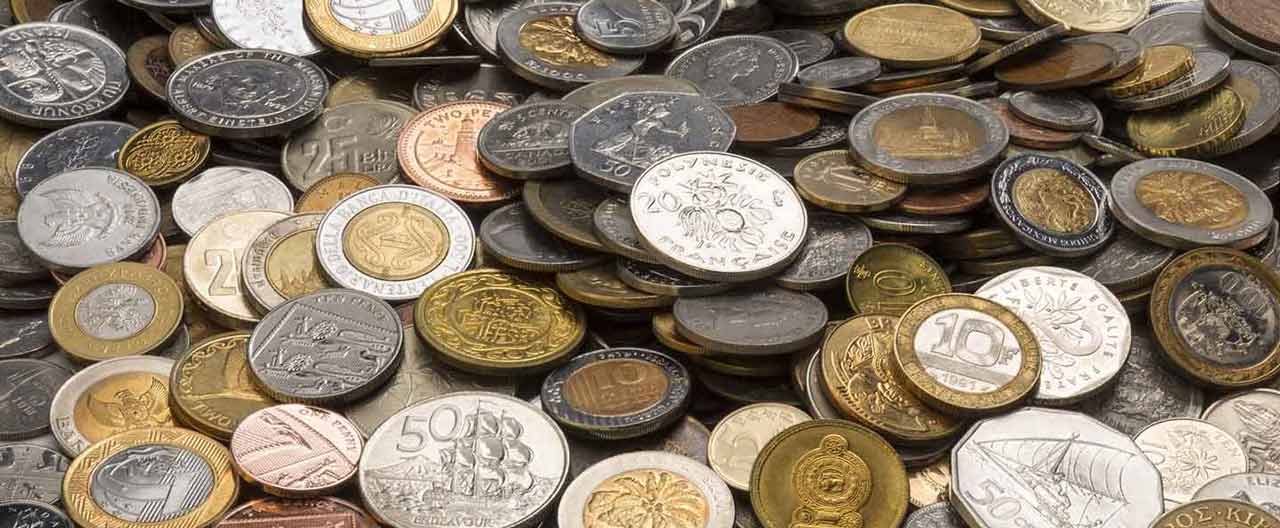
Over time, the rare coin market has moved in cycles, much like other types of investments. According to Numismatic News, the market may be in the beginnings of an upswing, after several years of decline in the U.S. If you’re thinking about collecting coins, as a hobby or an investment, (A.K.A. numismatics), here are a few things you’ll want to make sure you DON’T do:
1. Buy without doing serious research
Just like other types of investments, the coin market can be volatile. Not every coin is a good investment. It’s easy for new-comers to get taken, unless they do their research and due diligence about the market and their potential coin purchase. However, for those with the right attitude and education, collecting rare coins can be a fun hobby and an excellent hedge against inflation.
2. Purchasing from a vendor who hasn’t been thoroughly vetted
You wouldn’t buy an expensive diamond ring from a street vendor, so why buy a rare coin from someone you don’t know and trust? Make sure you work with a reputable, qualified coin dealer to ensure that you’re making a legitimate purchase. Visit PNGdealers.com for a list of dealers in the Professional Numismatists Guild or contact your insurance agent for suggestions.
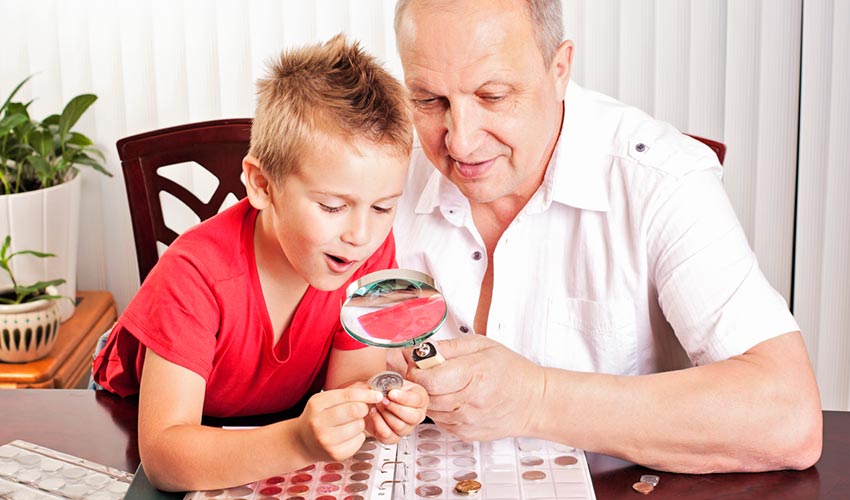
3. Forgetting to check the coin’s authenticity
While a coin may look like the real thing online or even in person, if you’re not absolutely sure of its authenticity, have the coin evaluated by a third-party grader. A grader is neither a buyer nor a seller and has no interest in the coin’s market value. You can find a professional grader through the Professional Coin Grading Service (PCGS). Some coins come with a PCGS certificate and will be hermetically sealed into a plastic holder with interior labels.
4. Not understanding what makes a coin valuable
While most coins are not worth more than their face value, some are worth much more. Here are a few things to look for when determining your coin’s value.
5. Keeping your coins at home
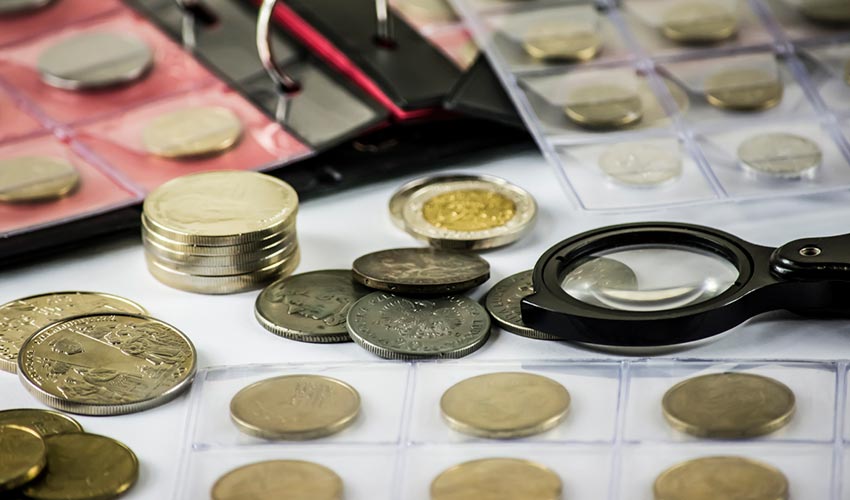
Coins can deteriorate if exposed to cigarette smoke, rubber, paint, textiles such as wool and felt, and too much humidity. Keep your coins pristine by storing them in airtight plastic holders, such as the encapsulation slabs of third-party grading services. Then, put them in a secure place like a bank safe deposit box for safe keeping. Unprotected coins are easy prey for a thief who breaks into your home.
6. Not insuring your investment
Like your other valuables, coins should be insured, so that they can be replaced or repaired if damaged, lost, or stolen. Look for a valuable articles policy that will provide all-risk, worldwide coverage with no deductible. Some policies will also provide a limit of automatic coverage for newly acquired coins.
Sources:
https://cointrackers.com/blog/38/what-makes-a-coin-valuable/
A Guide Book of United States Coins: The Official Red Book
Antiques & Collectibles: 2019 Price Guide
Insights and expertise
5 items not to overlook when valuing your wardrobe

Protecting a luxury handbag investment: Tips for next gen collectors

The power behind the sports memorabilia market

Next gen’s passion for pop culture collectibles
This document is advisory in nature and is offered as a resource to be used together with your professional insurance advisors in maintaining a loss prevention program. It is an overview only, and is not intended as a substitute for consultation with your insurance broker, or for legal, engineering or other professional advice.
Chubb is the marketing name used to refer to subsidiaries of Chubb Limited providing insurance and related services. For a list of these subsidiaries, please visit our website at www.chubb.com. Insurance provided by ACE American Insurance Company and its U.S. based Chubb underwriting company affiliates. All products may not be available in all states. This communication contains product summaries only. Coverage is subject to the language of the policies as actually issued. Surplus lines insurance sold only through licensed surplus lines producers. Chubb, 202 Hall's Mill Road, Whitehouse Station, NJ 08889-1600.