
- Individuals & Families
- Businesses
- Agents & Brokers
- Embedded Insurance

Protect your ring with Chubb Valuable Articles insurance and get the peace of mind and financial security you need.

Because pets are family, Chubb now offers pet insurance with top-rated coverage from Healthy Paws.

Chubb offers the insurance protection you need for travel’s many “what ifs”.

Chubb protects small businesses at every stage – from newly formed start-ups to long-time anchors of the community.

Stay ahead of cyber threats with our free Cyber Claims Landscape Report.

Learn more about our dedicated learning paths, Online Learning Center, and more.



Many digital-savvy consumers look for it as a core or add-on option.
Many digital-savvy consumers look for it as a core or add-on option.
Many digital-savvy consumers look for it as a core or add-on option.

Chubb’s in-house technology makes it easy to integrate what we do into your customer experience.

If you own jewelry, fine art, antiques, or other valuables, you may be wondering whether your homeowners policy truly has you covered. For many people, the answer is no. In fact, standard homeowners coverage often falls short. Your piece's value may exceed typical policy limits, you may wear or travel with it with regularly, or you may have just purchased a new item, received it as a gift, or inherited it. In these cases, if something happens to your jewelry or valuable piece, a homeowners policy may not cover the full loss.
This article explains when jewelry and valuables insurance is worth considering, where homeowners policies are lacking, and how to get the right coverage in place. Whether you're asking "is jewelry insurance worth it?" or "should I insure my jewelry?", you'll find clear, straightforward answers here. Learn more about jewelry insurance options from Chubb.
Where homeowners insurance falls short
Standard homeowners policies typically cap jewelry coverage at amounts that may be less than what your pieces are actually worth. Common restrictions include:
- Sub-limits on jewelry claims — Many homeowners policies cap jewelry limits in a range that may cover only a fraction of a high-value piece's worth. These caps can vary by carrier and state.
- Deductible — Homeowners policies also have a deductible that could apply after a jewelry loss.
- Limited causes of loss — Homeowners policies often cover theft but may not cover accidental loss or mysterious disappearance, such as a stone falling from a setting or a ring lost during travel.
- Depreciation-based payouts — Some policies pay out what your item is currently worth on the market, not what it would cost to replace it. That difference can be substantial for certain fine jewelry or antique and custom pieces.
So, is jewelry insurance worth it? For anyone whose pieces exceed standard policy limits, a dedicated policy may provide significantly better protection. If you've ever asked yourself, "Should I insure my jewelry?", the scenarios below can help you decide.
When to purchase a separate jewelry or valuables insurance policy
You recently purchased new items
When you add a significant new piece to your collection, your existing homeowners coverage will not automatically adjust to reflect the new, higher value of your personal property. A ring or watch that cost considerably more than your policy's sub-limit would be left virtually under protected, especially if it mysteriously disappears or is accidentally lost. A standalone valuable articles policy, on the other hand, may let you insure that item for what it's actually worth, so a loss doesn't also become a financial setback.
You received an inheritance or gift
Inherited pieces and meaningful gifts are often valued at much more than a standard homeowners policy can cover. Antiques, family heirlooms, and custom items may have both sentimental and monetary worth that exceeds typical policy limits — and their value can be difficult to replace on the open market. A dedicated valuables policy protects these pieces on their own terms, separate from whatever your homeowners coverage provides.
You wear or travel with your items often
Jewelry, watches, or other valuables that leave your home regularly are more prone to loss or damage than those kept in a safe. Homeowners policies often have limited or no coverage for accidental loss that happens away from your home, which means a ring lost at a hotel or a watch damaged during a trip may not be covered at all. A separate valuables policy provides coverage wherever you go, giving you consistent protection whether you're at home or away.
For more guidance on protecting what you bring with you, see our articles on how to insure your jewelry before you travel and tips for traveling with fine jewelry and watches.
How does jewelry and valuables insurance work?
A dedicated jewelry and valuables policy covers your items individually and specifically, rather than bundling them under a broad homeowners limit. Each piece can be listed in the policy with its own insured value so there's no ambiguity about what you'd receive if it is lost, stolen, or damaged.
One of the key advantages is broader coverage for how losses actually happen. Where a homeowners policy may only kick in if the piece is stolen, a valuables policy can also cover accidental damage, loss, and other causes that are easy to overlook until they occur. Chubb Masterpiece® Valuable Articles Coverage is designed with this kind of comprehensive, tailored protection in mind.
How do you insure jewelry?
Getting jewelry and valuables insurance through Chubb is a straightforward process. Here's how it typically works:
- Make a list of the items you want to protect. Start by identifying the pieces that matter most to you — those you wear regularly, items of significant value, and anything you've recently acquired. This doesn't need to be exhaustive right away. Even insuring your most important pieces is a meaningful step.
- Get a professional appraisal. While Chubb only requires an appraisal for individual jewelry and watches valued at $100,000 or more, an appraisal gives you an accurate, documented value for each item, which is the foundation of your coverage. Most jewelers and certified appraisers can provide this. If your pieces were recently purchased, a receipt may be sufficient. For older or inherited items, a fresh appraisal is worth scheduling. Our guide on how to insure valuable jewelry walks you through this step in more detail.
- Connect with an independent agent. An agent can review your items, discuss your coverage needs, and help you understand your options. This is also a good time to ask about how Chubb valuables insurance for itemized and blanket coverage may work alongside your existing homeowners policy.
- Review and start your policy. Once your coverage is set up, each item will be listed with its insured value and the terms of your protection. You'll know exactly what's covered and what to expect if you ever need to file a claim. From there, you can update your policy as your collection grows or changes. Keep in mind that Chubb Valuable Articles Coverage automatically covers new jewelry or valuable items for up to 90 days from the date of purchase, if you have coverage already in place. So, you don’t have to worry about updating your policy immediately.
Protecting what matters to you shouldn't require a deep understanding of insurance policy language. If you own jewelry or other valuables, you'd have trouble replacing, a dedicated valuables policy from Chubb gives you something your homeowners coverage may not — the confidence that what you love is genuinely protected. Reach out to an independent agent whenever you're ready, and they can make sure you have clear, straightforward answers before you make any decisions.
DISCLAIMER: This content is provided for general informational purposes only and does not constitute insurance, legal or financial advice. Insurance requirements, coverage options, and regulations vary by state and individual circumstances. Eligibility requirements, terms, exclusions, limits, and restrictions may apply. Coverage availability and eligibility are subject to underwriting guidelines and applicable state laws. For guidance specific to your situation, please consult a licensed insurance agent in your state.
Insights and expertise
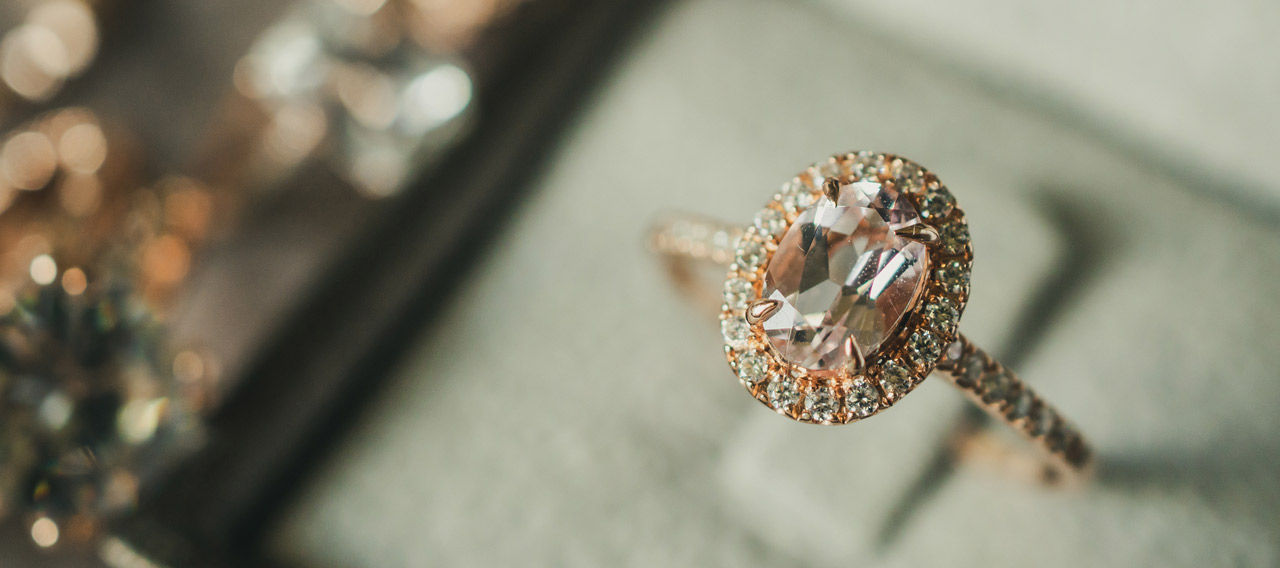
Should I insure my engagement ring?
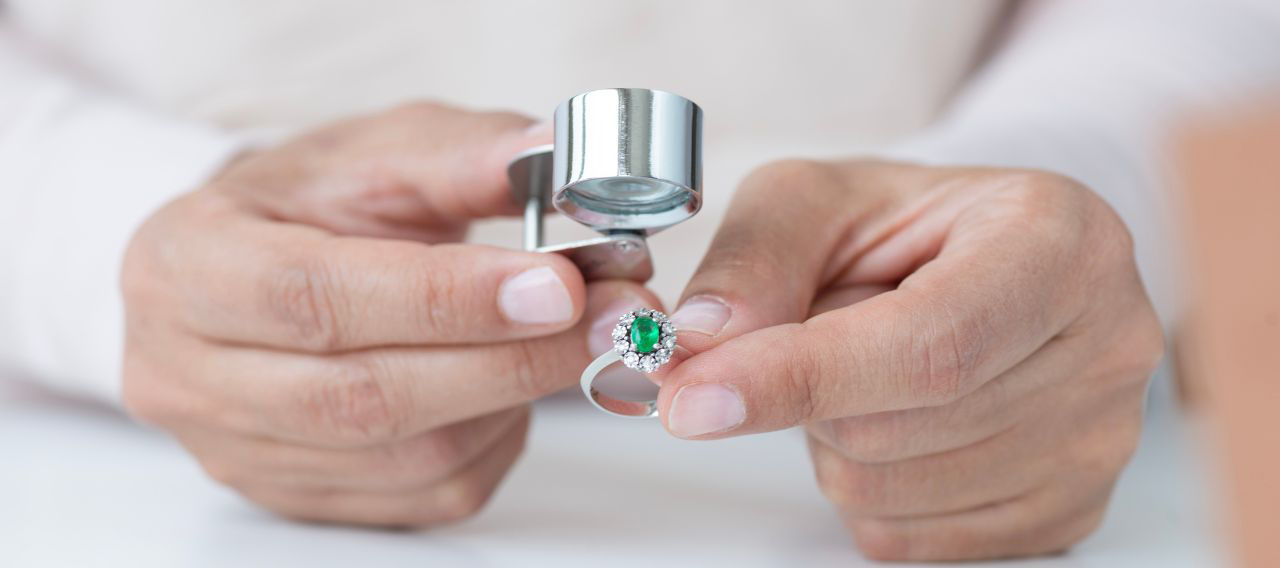
How do I get my jewelry appraised?
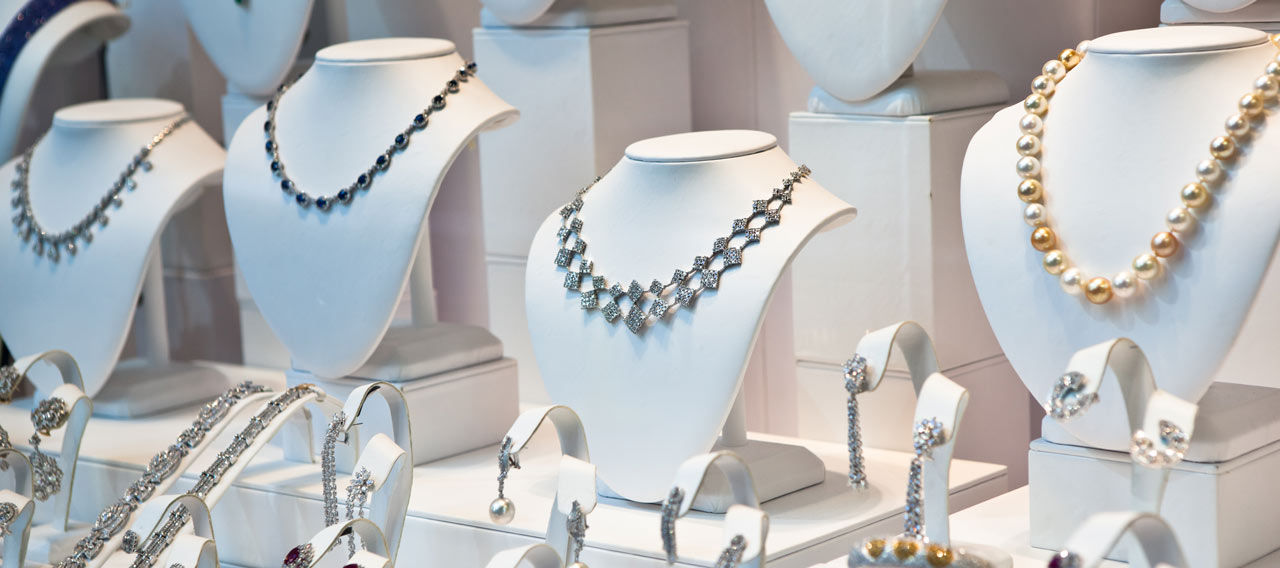
How to insure high-value jewelry
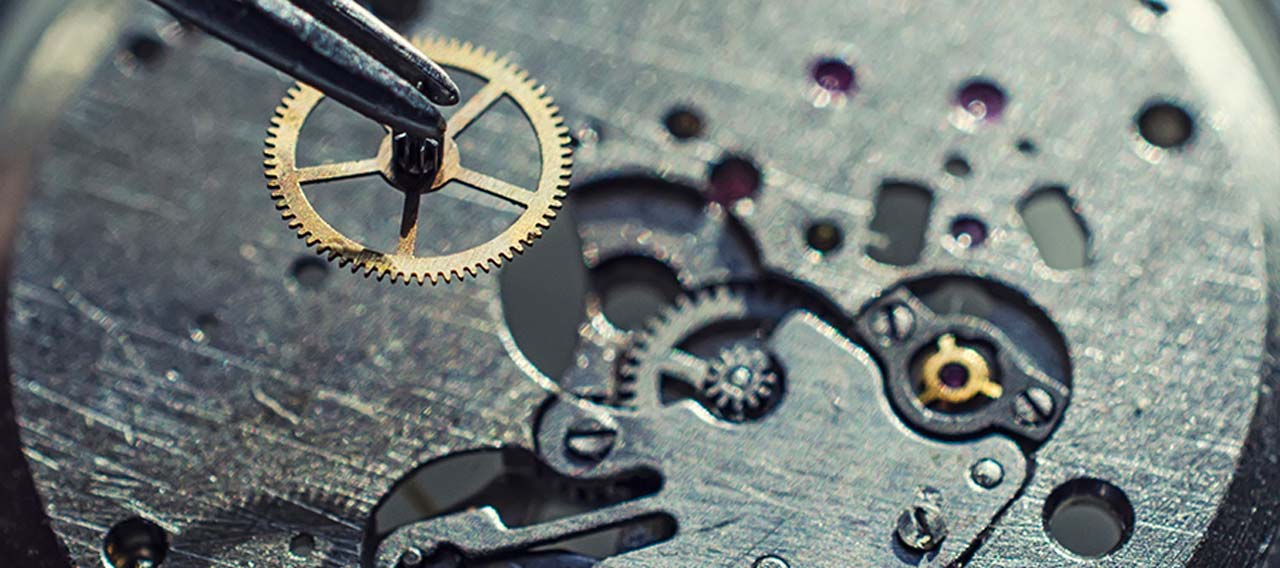
Tips on maintaining your mechanical watch
This document is advisory in nature and is offered as a resource to be used together with your professional insurance advisors in maintaining a loss prevention program. It is an overview only, and is not intended as a substitute for consultation with your insurance broker, or for legal, engineering or other professional advice.
Chubb is the marketing name used to refer to subsidiaries of Chubb Limited providing insurance and related services. For a list of these subsidiaries, please visit our website at www.chubb.com. Insurance provided by ACE American Insurance Company and its U.S. based Chubb underwriting company affiliates. All products may not be available in all states. This communication contains product summaries only. Coverage is subject to the language of the policies as actually issued. Surplus lines insurance sold only through licensed surplus lines producers. Chubb, 202 Hall's Mill Road, Whitehouse Station, NJ 08889-1600.