
- Individuals & Families
- Businesses
- Agents & Brokers
- Embedded Insurance

Protect your ring with Chubb Valuable Articles insurance and get the peace of mind and financial security you need.

Because pets are family, Chubb now offers pet insurance with top-rated coverage from Healthy Paws.

Chubb offers the insurance protection you need for travel’s many “what ifs”.

Chubb protects small businesses at every stage – from newly formed start-ups to long-time anchors of the community.

Stay ahead of cyber threats with our free Cyber Claims Landscape Report.

Learn more about our dedicated learning paths, Online Learning Center, and more.



Many digital-savvy consumers look for it as a core or add-on option.
Many digital-savvy consumers look for it as a core or add-on option.
Many digital-savvy consumers look for it as a core or add-on option.

Chubb’s in-house technology makes it easy to integrate what we do into your customer experience.
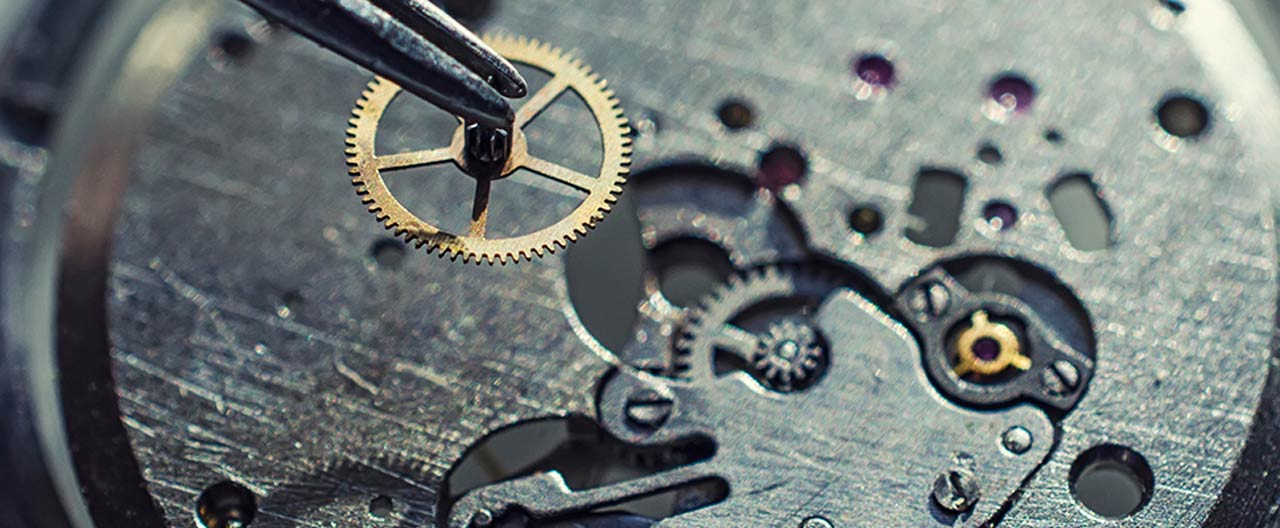
A mechanical watch is much more than a timepiece. It is an emblem of the culmination of art and science, a salute to classical ingenuity. Whether we own one or a hundred, each mechanical watch is as special and dear to us as the first.
Not only is it a pure status symbol, it is also a source of great personal pride with immense sentimental value – which is why it requires extra care.
Here are some tips on maintaining a mechanical watch to ensure it remains in top condition for generations to come.
What you should do
Clean your mechanical watch regularly
- Use a soft damp cloth to wipe off dust particles then wipe it dry with a lint-free cloth.
- Pay close attention to the area where the case meets the bezel, around the lens and in between the links.
- To clean the metallic bracelets, use a soft hairbrush.
Tips on winding a mechanical watch
- Wind your mechanical watch daily to prevent watch part lubricants from congealing.
- Set a consistent winding schedule (preferably at the same time every day) for every wind-up.
- We recommend winding your watch in the morning hours before strapping it on.
- Stop winding if you experience any slight resistance during the process to prevent over winding.
- Only wind a watch when it is off your wrist.
Prevent water damage to your watch
- Take your water-resistant mechanical watch to a professional watchmaker every 1 to 1.5 years to test if they are still waterproof.
- Take your watch to a professional immediately if you notice any misting (as this may be a sign of a broken seal or gasket).
- Do not expose water-resistant watches to chlorine, soap, or salt water.
- Always clean your watches with freshwater and wipe them dry with a soft dry cloth immediately after they come into contact with soap, salt water, or chlorine.
What you should avoid
Strong magnetic fields
- They make your watch operate inaccurately by running fast, slowing down, or even stopping altogether due to magnetic attraction.
- Never expose your watch to any magnetic field including but not limited to those in computers and microphones.
Tip: Take your watch to professionals for demagnetization regularly.
Extreme temperatures
- Extreme high temperatures can cause your watch to expand while excessive low temperatures can cause contraction. Excessive heat may also congeal the watch lubricants causing friction on its gears and accelerating its wear and tear.
- Avoid extended exposure to direct sunlight as it will cause your watch color to fade while the heat can also shorten its battery life.
Chemicals
- Avoid any contact between your watch and chemicals such as perfumes, oils, cleaning supplies, colognes, among others. Chemicals could damage its gasket, metallic bracelets, cases, and fabric materials.
Tip: Like your jewelry, always wear your watch as the last item when all the perfume or cologne has dried up.
Sudden shocks and impacts
- Sudden shocks and impacts could damage the watch permanently. You could also scratch or damage the crystals.
- Avoid wearing your watch while golfing, biking on cobblestones or while attempting any vigorous activities or sports.
Tip: In case of any incident, take your watch to professionals who can reliably diagnose and repair any resulting damage.
Tip: If you are not wearing or showcasing the watch, place it in a watch winder to keep the watch mechanism running. This will help prolong the life of the watch.
A mechanical watch is one of the most sentimental personal devices you can own. Taking care of it not only keeps it in top condition but is also a show of respect and appreciation for the craftsmanship and tradition that went into making it.
For most people, this is one of the only machines that they intimately interact with. Therefore, keep it wound, clean, dry and give it some tender loving and care.
Insights and expertise
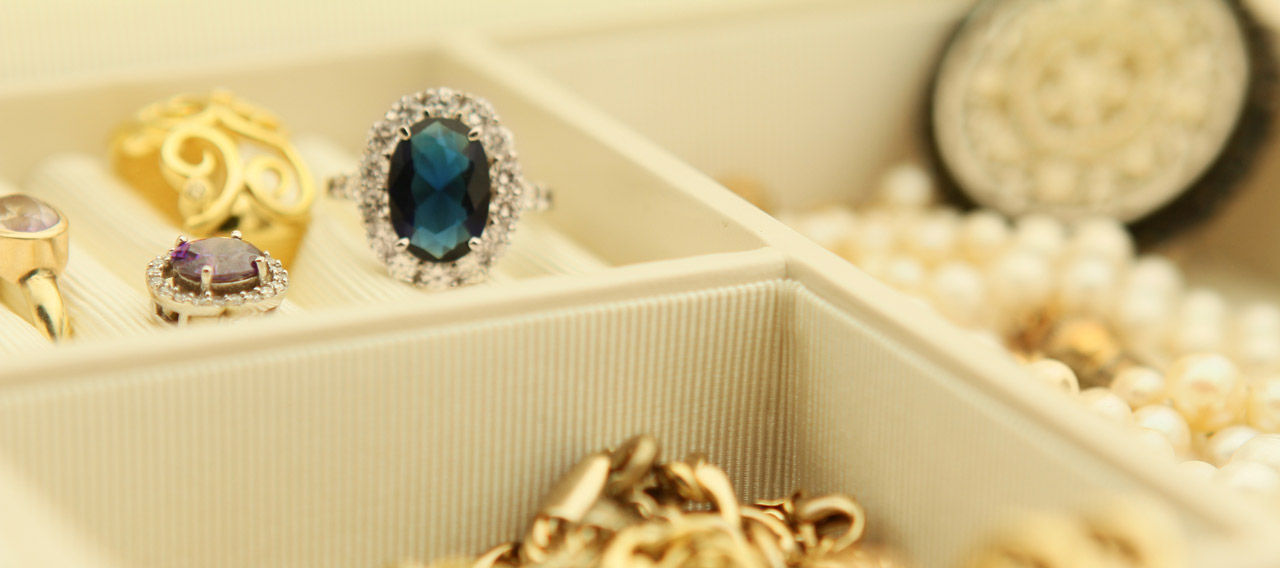
When do I need insurance for my jewelry and valuables?

Should I insure my engagement ring?
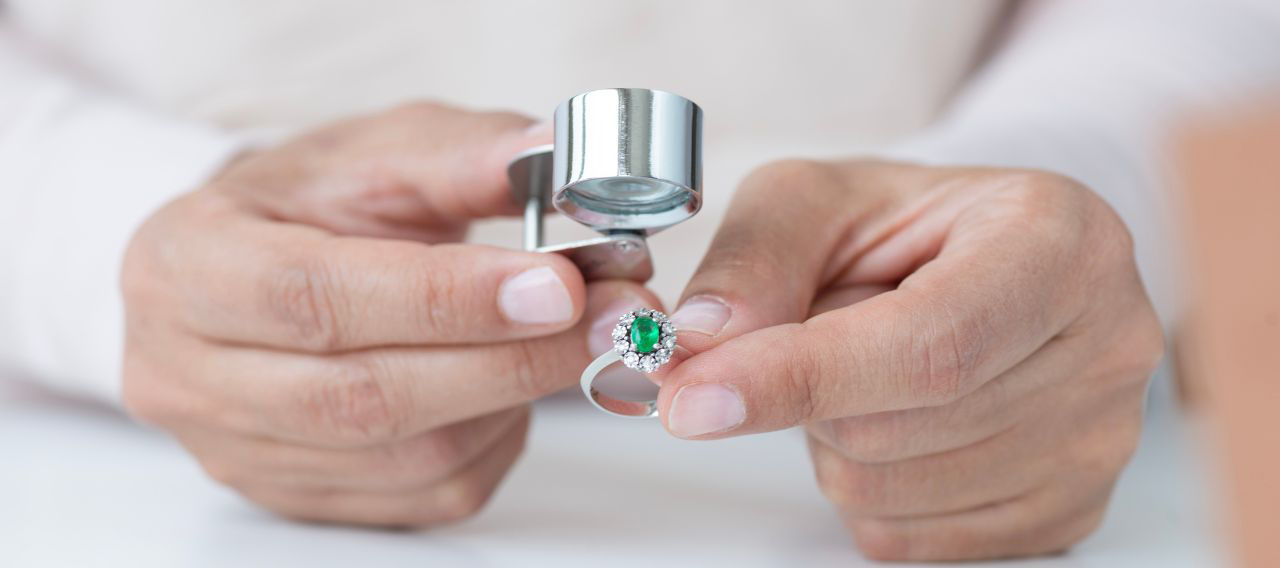
How do I get my jewelry appraised?
This document is advisory in nature and is offered as a resource to be used together with your professional insurance advisors in maintaining a loss prevention program. It is an overview only, and is not intended as a substitute for consultation with your insurance broker, or for legal, engineering or other professional advice.
Chubb is the marketing name used to refer to subsidiaries of Chubb Limited providing insurance and related services. For a list of these subsidiaries, please visit our website at www.chubb.com. Insurance provided by ACE American Insurance Company and its U.S. based Chubb underwriting company affiliates. All products may not be available in all states. This communication contains product summaries only. Coverage is subject to the language of the policies as actually issued. Surplus lines insurance sold only through licensed surplus lines producers. Chubb, 202 Hall's Mill Road, Whitehouse Station, NJ 08889-1600.