
- Individuals & Families
- Businesses
- Agents & Brokers
- Embedded Insurance

Protect your ring with Chubb Valuable Articles insurance and get the peace of mind and financial security you need.

Because pets are family, Chubb now offers pet insurance with top-rated coverage from Healthy Paws.

Chubb offers the insurance protection you need for travel’s many “what ifs”.

Chubb protects small businesses at every stage – from newly formed start-ups to long-time anchors of the community.

Stay ahead of cyber threats with our free Cyber Claims Landscape Report.

Learn more about our dedicated learning paths, Online Learning Center, and more.



Many digital-savvy consumers look for it as a core or add-on option.
Many digital-savvy consumers look for it as a core or add-on option.
Many digital-savvy consumers look for it as a core or add-on option.

Chubb’s in-house technology makes it easy to integrate what we do into your customer experience.

If you own an expensive engagement or wedding ring, heirloom pieces, or a growing collection of fine jewelry or watches, you are smart to insure them. While most standard homeowner’s insurance includes some coverage for jewelry, the policy limits for such valuable items may be lower than the actual value of what you own. That could leave a significant gap between what you may recover after a loss and what you’d pay to replace or repair expensive jewelry. To help you make a confident, informed decision, this article explains how to insure jewelry in five steps: take an inventory of your items; get a professional appraisal of the items that reflects today’s market value; decide how you want the items protected; select a carrier and policy type; and keep your records current.
What is considered “valuable jewelry”?
For insurance purposes, jewelry is generally considered high-value if a single piece is worth $1,000 or more, though many insurance carriers set their scheduling thresholds at $2,000-$5,000 per item, well below what a quality piece of jewelry typically costs today. Items that commonly fall into the jewelry category include engagement rings and wedding bands, signed or designer pieces from Cartier, Tiffany & Co, or Van Cleef & Arpels, antique or heirloom jewelry with provenance, luxury watches, and pearl or gemstone strands such as South Sea pearls. If you own any of these, it’s likely your homeowner’s insurance won’t cover their current market value, making specialized coverage worth a closer look.
Steps to take to insure expensive jewelry
Whether your piece or collection is worth thousands or tens of thousands, standard homeowner’s insurance is unlikely to cover its full true value. That means, if your jewelry is lost, damaged, or stolen, you could get back only a fraction of what it would cost to replace or repair it. Here are five key steps to make sure your jewelry is protected up to its current market value.
1. Take an inventory of your jewelry
Keeping a detailed jewelry inventory can give your insurance carrier the documentation needed to process a claim accurately and efficiently. For each piece, provide a clear description, current photograph, the original purchase price or receipt, and any appraisal certificates you have. Be sure to store your inventory securely online or in a safe location and update it when you acquire or sell a significant piece.
2. Get your jewelry appraised
A professional appraisal from a certified gemologist or accredited jewelry appraiser accurately establishes the replacement value of your high-value piece. It’s also a figure your insurer can use to set your coverage limit. Without it, you risk being underinsured at a time when it matters most—when you’ve lost, damaged, or misplaced your jewelry.
Because jewelry markets fluctuate, it’s worth having your expensive jewelry re-appraised every few years, to make sure your coverage keeps pace with current market conditions. However, an insurance carrier who specializes in valuables may offer you greater coverage even without an appraisal, sometimes automatically paying the market value of a covered item.
3. Decide how you want your jewelry covered
When it comes to insuring high-value jewelry, there are two main options: a jewelry rider and a valuable articles policy.
A jewelry rider is an endorsement added to your existing homeowner’s or renter’s policy that raises the coverage limit for a specific named item, like a piece of jewelry. This is useful if you have one or two standout pieces of jewelry that exceed your home policy’s standard sublimit.
A valuable articles policy is a standalone policy dedicated entirely to valuables, typically offering broader coverage terms, fewer exclusions, and the flexibility to cover an entire collection rather than individual items. For those with significant or growing collections, a valuable articles policy provides more comprehensive protection for high-value jewelry.
Chubb’s Valuable Articles Coverage is specifically designed to insure expensive jewelry, fine art, and other collectibles. It offers worldwide protection, so you are covered regardless of where you are in the world, giving you confidence to travel with and enjoy your treasured pieces.
Learn how to insure your jewelry through Chubb →
4. Select a carrier and policy type
Not all insurance carriers are equipped to insure high-value jewelry or other personal items. That’s why it’s worth taking the time to evaluate your options carefully before purchasing an insurance policy. When comparing insurers, look for companies that have expertise in valuable articles coverage and insuring high-value items and that understand the nuances of fine jewelry, offer broad coverage and agreed value (meaning, if there’s a covered loss, you’re automatically paid the full agreed upon amount, not a depreciated figure), and have a claims process designed for complex, high-value items.
As you narrow your options, ask each carrier the following questions:
- Does the policy cover the mysterious disappearance of an item? Standard homeowner’s policies often exclude losses where there is no clear evidence of theft.
- Is this agreed value or actual cash value coverage? Agreed value coverage pays the full amount agreed to up front; actual cash value coverage deducts for depreciation.
- Are there any exclusions I should know about? Look for broad coverage that includes worldwide protection and no deductible for most losses.
- How does the claims process work for high-value items? Ask whether they have in-house specialists or third-party adjusters.
- Can coverage limits be adjusted as my collection grows? Flexibility matters if you acquire new pieces over time. Look for coverage that automatically provides protection for newly acquired pieces, so you don’t have to worry about adding them right at the time of purchase.
A carrier who answers these questions clearly and thoroughly — without steering you towards a one-size-fits-all policy — is likely one worth trusting with your collection.
5. Keep records current
Just because your policy is in place doesn’t mean your work is done. A jewelry collection is rarely static, and your coverage shouldn’t be either. New acquisitions, inherited pieces, gifts, and natural shifts in market value can all create gaps between what you own and what you’re covered for. Treat your inventory and policy documents as living records. Revisit them annually, update appraisals when values change significantly, and notify your carrier promptly any time you add a meaningful new piece to your collection. The goal is to have a policy that reflects your collection as it is today, not as it was when you first took out the policy.
How to choose an insurance carrier for high-value jewelry
Choosing the right insurance carrier is just as important as selecting the right kind of policy. Consider asking the questions below before you commit to a carrier and policy.
- Does the policy include a deductible? Some specialty carriers may offer coverage for most losses with no deductible.
- Is coverage worldwide or limited to the home? Look for a carrier who offers coverage for your jewelry regardless of where you are in the world.
- Does the policy offer inflation or market value protection if the piece appreciates? Look for a policy that automatically raises the amount covered to market value.
- Does the carrier have in-house jewelry expertise? Some specialty carriers have employees with the expertise and knowledge to help you with jewelry appraisals, loss prevention, and claims.
- How are newly acquired items handled? Look for carriers who automatically cover newly acquired jewelry items and do not require a separate add-on.
- Is mysterious disappearance covered? Look for a carrier who covers a loss, even if there is no clear evidence of theft.
- Is the carrier financially strong? Make sure your insurer is highly rated by independent agencies like AM Best and has a track record for exceptional service to high-net-worth clients.
Frequently asked questions about insuring jewelry
The cost to insure high-value jewelry typically falls between 1% and 2% of the item’s appraised value per year. That means, a $20,000 engagement ring might cost between $200 and $400 annually to insure. The exact premium will depend on several factors, including the type of coverage selected, where you live, and how the piece is stored and/or worn. Specialty carriers who offer valuable articles coverage and who focus on high-net-worth clients may offer more competitive rates for broader coverage than what’s available through a standard homeowner’s policy endorsement.
Most standard homeowner’s policies cover jewelry, but only up to a specific limit, regardless of what the piece is worth. For many, the cap falls far below the true replacement value of a wedding or engagement ring, leaving a significant gap in protection if the ring is lost, stolen, or damaged. A valuable articles policy can close that gap, ensuring the piece is protected to its full market value.
Insights and Expertise
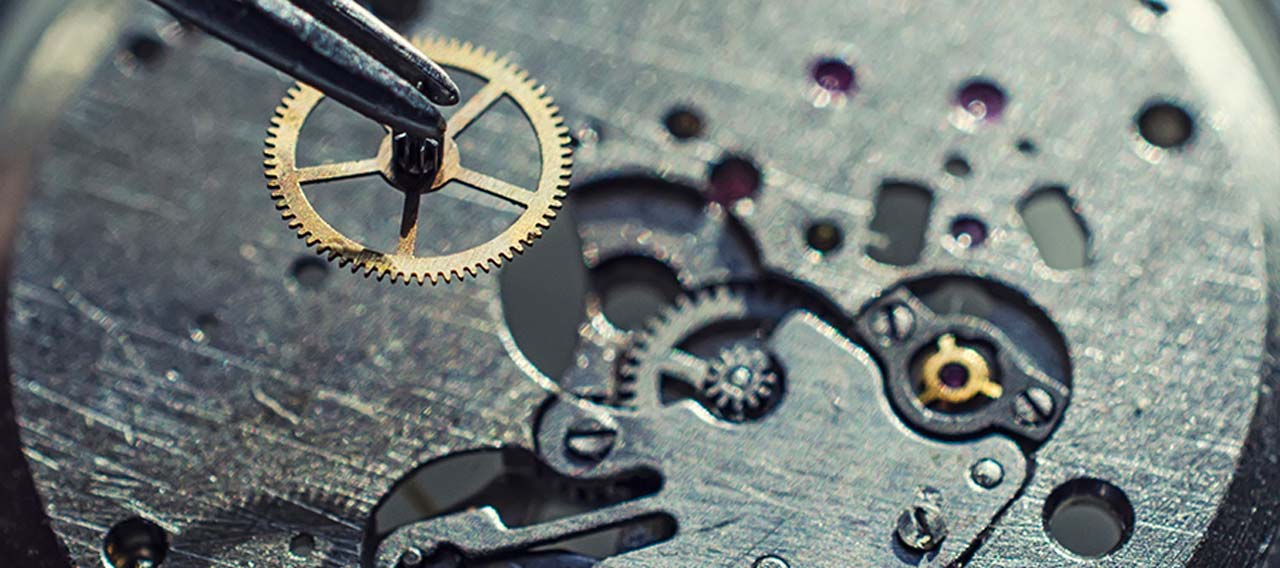
Tips on maintaining your mechanical watch
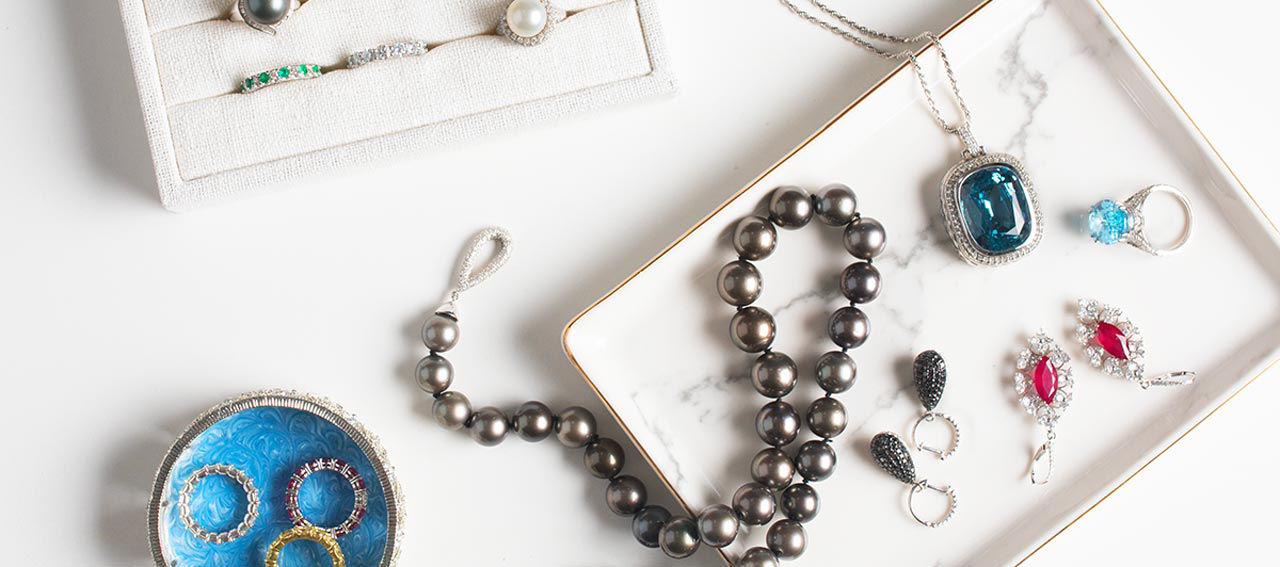
How do I get my jewelry appraised?

5 items not to overlook when valuing your wardrobe

Protecting a luxury handbag investment: Tips for next gen collectors
This document is advisory in nature and is offered as a resource to be used together with your professional insurance advisors in maintaining a loss prevention program. It is an overview only, and is not intended as a substitute for consultation with your insurance broker, or for legal, engineering or other professional advice.
Chubb is the marketing name used to refer to subsidiaries of Chubb Limited providing insurance and related services. For a list of these subsidiaries, please visit our website at www.chubb.com. Insurance provided by ACE American Insurance Company and its U.S. based Chubb underwriting company affiliates. All products may not be available in all states. This communication contains product summaries only. Coverage is subject to the language of the policies as actually issued. Surplus lines insurance sold only through licensed surplus lines producers. Chubb, 202 Hall's Mill Road, Whitehouse Station, NJ 08889-1600.