
- Individuals & Families
- Businesses
- Agents & Brokers
- Embedded Insurance

Protect your ring with Chubb Valuable Articles insurance and get the peace of mind and financial security you need.

Because pets are family, Chubb now offers pet insurance with top-rated coverage from Healthy Paws.

Chubb offers the insurance protection you need for travel’s many “what ifs”.

Chubb protects small businesses at every stage – from newly formed start-ups to long-time anchors of the community.

Stay ahead of cyber threats with our free Cyber Claims Landscape Report.

Learn more about our dedicated learning paths, Online Learning Center, and more.



Many digital-savvy consumers look for it as a core or add-on option.
Many digital-savvy consumers look for it as a core or add-on option.
Many digital-savvy consumers look for it as a core or add-on option.

Chubb’s in-house technology makes it easy to integrate what we do into your customer experience.
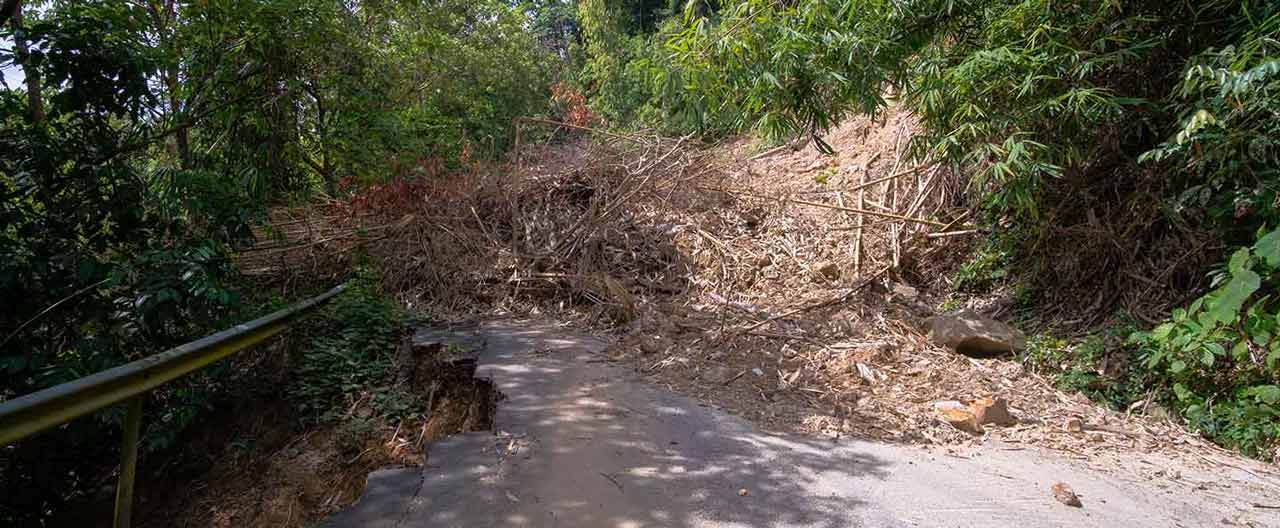
If a landslide happens in your area, it’s possible you’ll see water-logged-debris and masses of earth surging downhill at speeds of more than 35 mph. Rocks, trees, and even automobiles can get picked up and carried along too, causing all sorts of damage. Unfortunately, landslides can happen suddenly and without warning. But there are things you can do to help prevent damage from a landslide and keep your family and property safe.
Things to do well in advance of a landslide
- Adhere to local land-use regulations. If you live in an area that is susceptible to mudslides or landslides, make sure your home adheres to all local building codes.
- Put property protections in place. To keep landslides from hitting your home and property, consider adding nets, retaining walls, and planting sturdy vegetation, especially on slopes or in places where wildfire has destroyed plants and trees. Do not remove vegetation that may help prevent erosion.
- Add sandbags in exposed areas. If you need to divert water from pathways or places where a retaining wall or vegetation has given out.
- Do not build your home in places that may be in the path of a landslide. For example, on or at the base of unstable slopes and or minor drainage hollows, at the base or on top of an old fill slope and or a steep-cut slope, or areas that are susceptible to flooding.
- Do your research. It is smart to understand your property’s landscape (i.e. where a landslide path may be) and any history of landslides/mudslides in area. Check out the FEMA Flood Map Service Center to research flood zones and land slippages close to your home.
- Look for new cracks. Check out door and window jambs, walls, brick/masonry, foundations, retaining walls, and tilt of utility poles or trees, as they may be signs of previous landslide and risk of future landslide as well.
How to stay safe during a landslide
If you find yourself in a landslide, you may have only seconds to act. Here’s what to do:
- Go higher. If you are unable to evacuate, move to an upper level of your home and stay alert while you listen to a NOAA weather radio or watch television for weather updates.
- Watch for flowing water. If you are in your vehicle, stay alert and watch for flowing water, which can be a precursor to a landslide.
- Listen. If you are walking or hiking, listen for sounds that might indicate a landslide, including boulders knocking together or trees crackling. You are generally safer away from slopes, so move to higher ground if needed.
What to do after a landslide
- Avoid the slide area. Keep in mind that the landslide might not actually be over, so take extra precaution and follow local governing authority.
- Call for help. If possible, alert authorities of the landslide; they will direct any necessary search and rescue missions for people who may be trapped.
- Check for damage. When it is safe to return home or go outside, check your property for and report any damage.
- Listen to your water company. Pay attention to boil advisories or communications from your local water utility company, as landslides can cause water contamination, making it unsafe to drink or use.
Sources:
https://www.ready.gov/landslides-debris-flow
https://www.usgs.gov/natural-hazards/landslide-hazards/science/landslide-preparedness?qt-science_center_objects=0#qt-science_center_objects
Insights and expertise
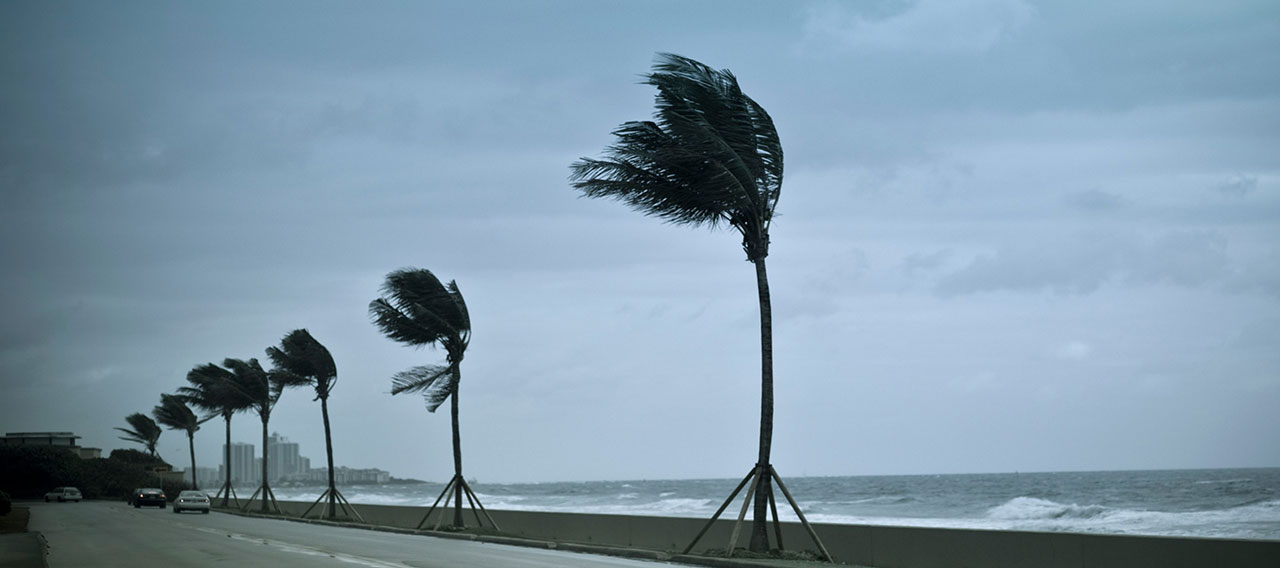
13 essential hurricane preparedness tips
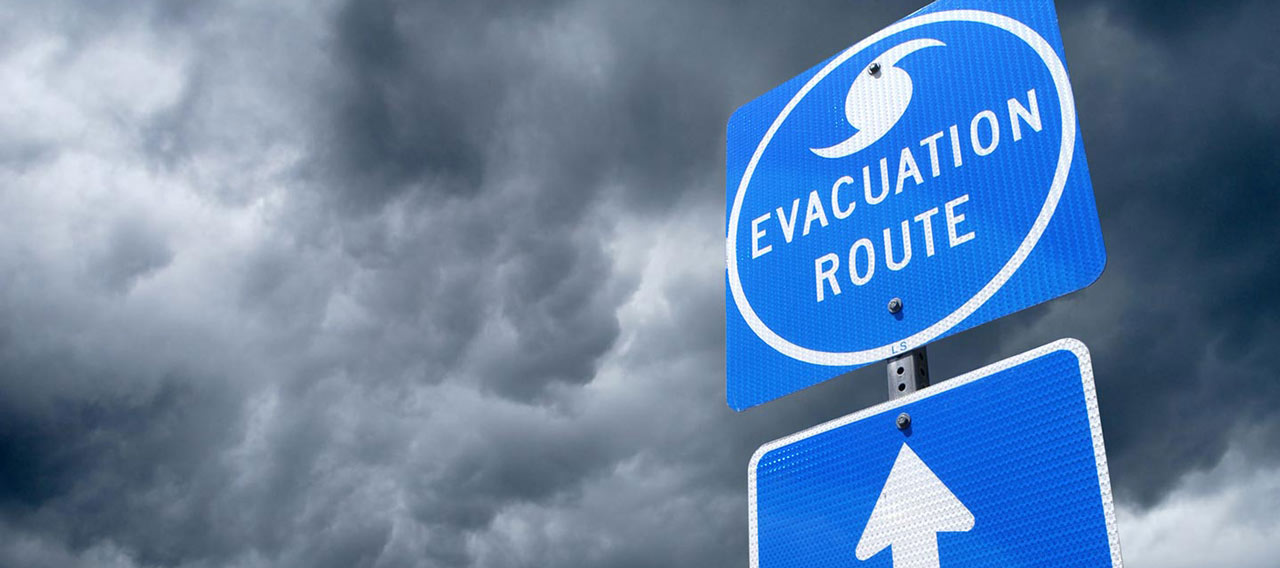
Emergency evacuation packing list

How to keep your home cool in the summer

7 tips for creating your family disaster plan
This document is advisory in nature and is offered as a resource to be used together with your professional insurance advisors in maintaining a loss prevention program. It is an overview only, and is not intended as a substitute for consultation with your insurance broker, or for legal, engineering or other professional advice.
Chubb is the marketing name used to refer to subsidiaries of Chubb Limited providing insurance and related services. For a list of these subsidiaries, please visit our website at www.chubb.com. Insurance provided by ACE American Insurance Company and its U.S. based Chubb underwriting company affiliates. All products may not be available in all states. This communication contains product summaries only. Coverage is subject to the language of the policies as actually issued. Surplus lines insurance sold only through licensed surplus lines producers. Chubb, 202 Hall's Mill Road, Whitehouse Station, NJ 08889-1600.