
- Individuals & Families
- Businesses
- Agents & Brokers
- Embedded Insurance

Protect your ring with Chubb Valuable Articles insurance and get the peace of mind and financial security you need.

Because pets are family, Chubb now offers pet insurance with top-rated coverage from Healthy Paws.

Chubb offers the insurance protection you need for travel’s many “what ifs”.

Chubb protects small businesses at every stage – from newly formed start-ups to long-time anchors of the community.

Stay ahead of cyber threats with our free Cyber Claims Landscape Report.

Learn more about our dedicated learning paths, Online Learning Center, and more.



Many digital-savvy consumers look for it as a core or add-on option.
Many digital-savvy consumers look for it as a core or add-on option.
Many digital-savvy consumers look for it as a core or add-on option.

Chubb’s in-house technology makes it easy to integrate what we do into your customer experience.
The earth is warming – and is expected to continue warming in the years ahead. With temperatures rising, extreme heat is occurring more frequently in areas across the U.S., especially during the summer.
Extreme heat is when the temperature is much hotter than the average for an area. For example, a summer temperature of 90°F is normal in Las Vegas, but would be considered extreme heat in San Francisco. A heat wave is a period of extreme heat that persists for two or more days.
Extreme heat – especially when combined with high humidity – poses a serious health risk to both people and pets. Every household should be prepared to stay safe during extreme heat as well as longer heat waves.
Extreme heat can also cause damage your home. By taking steps to keep your house cool in the summer, you can protect your property and family when it gets hot.
How summer heat impacts your home
The combination of excessive heat and humidity can cause drying and cracking of building materials, the growth of mold and mildew, and the deterioration of a home’s structural integrity.
Exterior paint
Extreme heat can cause paint to bubble and crack. These cracks can create openings that allow moisture to enter your home, attracting insects and causing mold and mildew growth.
Wood siding and decks
Exposure to high temperatures and direct sunlight can dry out wooden structures, like sliding and decks. Wood can shrink, warp, crack, and become discolored.
Roofing materials
Roofing materials can blister and crack due to extreme heat. Moisture from humidity can cause shingles to expand, leading to roof deterioration.
Foundation
Direct sunlight and extreme heat cause soil around a home to dry out, shrink, and pull away from the foundation. As a result, a home’s foundation can shift and settle, causing cracks in foundation walls and leading to other damage, such as cracked drywall.
Metal pipes
Fluctuating temperatures cause metal pipes to expand and contract, which can lead to leaks.
12 ways to keep your house cool in the summer
Fortunately, you can beat the heat by making simple upgrades, conducting regular maintenance, and following key cooling tips. These practices will help protect your house from heat damage and keep your family comfortable.
1. Service your A/C before summer starts
Don’t wait until the first heat wave hits. Contact a reputable licensed and bonded HVAC contractor to inspect and service your home’s A/C system in the spring.
2. Replace or clean your air filters regularly
Dirty or clogged air filters can restrict the airflow of your HVAC system, reduce its lifespan and energy efficiency, and lead to more pollen, mold, and other allergens circulating in your home. Inspect and clean or replace your system’s air filters regularly, following your manufacturer’s recommendations.
3. Use a programmable or smart thermostat
You can protect your home and cool it efficiently by maintaining a consistent temperature throughout the summer. With a programmable or smart thermostat, you can easily adjust the temperature a few degrees when you leave your home, but don’t shut off the A/C entirely.
4. Seal gaps around doors and windows
Damaged or missing weather stripping and caulk can allow hot air to enter your home—and cool air to escape. Every year before extreme heat arrives, check your doors and window to see if they’re tightly sealed. As needed, fill gaps with new weather stripping or caulk.
5. Cover south- and west-facing windows during peak afternoon hours
South and west-facing windows receive intense afternoon sunlight during the summer, which can push up the temperature of your home. You can reduce the impact of the sun’s rays by covering your windows with external or internal shades or by applying tinted or reflective film to your window glass.
6. Use fans strategically
When it’s extremely hot outside, electric fans can help make you feel cooler, but they won’t directly lower the temperature in your home. In the summer, run ceiling fans counterclockwise to push air down and create a cooling breeze. In addition, once it cools down in the evening, you can also use electric fans to exhaust warm air out of your home and draw cooler air inside through an open window.
7. Reduce indoor heat sources
To keep your house cooler, avoid running large heat-producing appliances during the day. Save your laundry or running your dishwasher for the early morning or evening. Instead of cooking in your oven, consider grilling outside or using a smaller appliance to prepare meals like a toaster oven or air fryer.
8. Control indoor humidity with a dehumidifier
High humidity inside your home can make hot air feel even hotter. Worse, it can harm electronics, warp wood, spur the growth of mold and mildew, and cause other damage to your home. You can lower indoor humidity by running portable dehumidifier units in key areas of your house or by installing a whole-home dehumidifier as part of your central HVAC system.
9. Protect exterior surfaces from heat damage
When painting your home, use a light-colored paint, which can better reflect the sun’s heat than dark colors. For non-wood surfaces, including stucco, concrete and masonry, brick, and metal, it’s worth investing in elastomeric paint. While more expensive than other types of exterior paint, elastomeric paint adds a thick, durable, watertight coating that helps create a reliable barrier against moisture while resisting sun and heat damage.
10. Inspect and seal wooden siding and decks
Wood siding, decks, trim, and other structures should be regularly inspected for signs of heat and sun damage, including warping, cracking, and splintering. In some cases, wood can be repaired, but severely damaged wood may need to be replaced. You can protect exterior wood by repainting siding and sealing decks and porches with sealers or waterproof coating.
11. Maintain and reinforce your roof
No matter what type of environment you live in, inspecting your roof regularly can help prevent damage inside your home. Make repairs on cracked roof tar and caulking as needed. In addition, because heat can damage shingles, consider installing a vapor barrier with your roof. For roofs made of metal, plastic membranes, or other materials—not traditional shingles or tiles—coatings may be applied for further protection.
12. Keep soil around your foundation consistently moist
Protect the foundation of your home from heat damage by using a sprinkler system or soaker hoses to keep soil near the foundation consistently damp. But be sure not to run water excessively or too close to your home. Too much moisture can cause damage as well.
Insights and expertise
13 essential hurricane preparedness tips
Emergency evacuation packing list
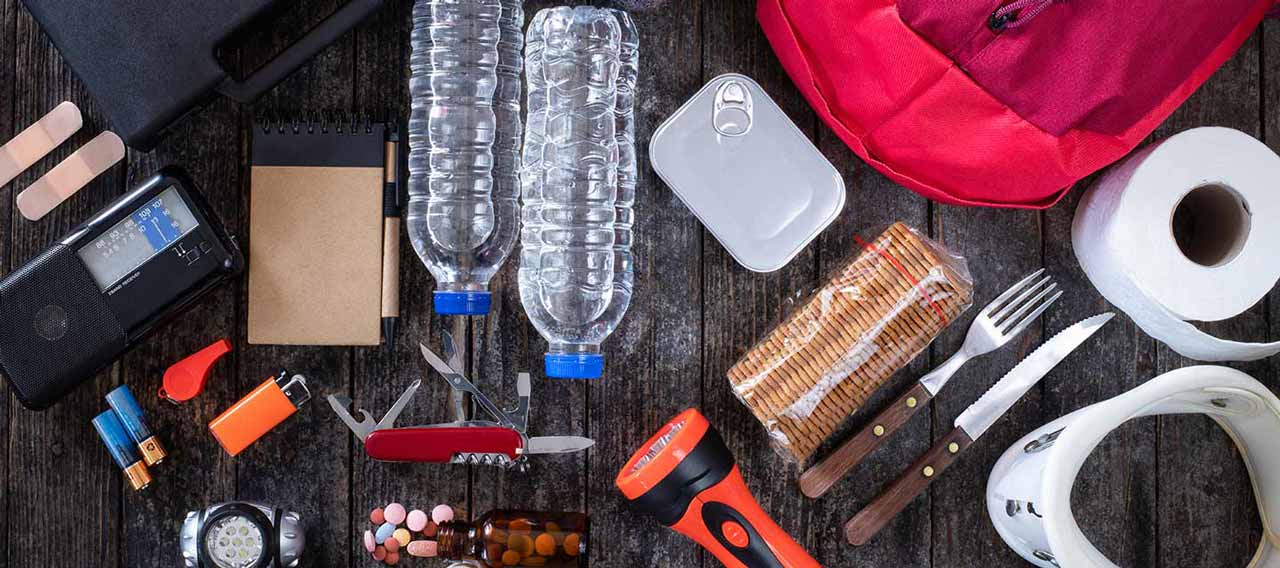
7 tips for creating your family disaster plan

5 reasons to recycle your electronics, instead of chucking them
This document is advisory in nature and is offered as a resource to be used together with your professional insurance advisors in maintaining a loss prevention program. It is an overview only, and is not intended as a substitute for consultation with your insurance broker, or for legal, engineering or other professional advice.
Chubb is the marketing name used to refer to subsidiaries of Chubb Limited providing insurance and related services. For a list of these subsidiaries, please visit our website at www.chubb.com. Insurance provided by ACE American Insurance Company and its U.S. based Chubb underwriting company affiliates. All products may not be available in all states. This communication contains product summaries only. Coverage is subject to the language of the policies as actually issued. Surplus lines insurance sold only through licensed surplus lines producers. Chubb, 202 Hall's Mill Road, Whitehouse Station, NJ 08889-1600.