
- Individuals & Families
- Businesses
- Agents & Brokers
- Embedded Insurance

Protect your ring with Chubb Valuable Articles insurance and get the peace of mind and financial security you need.

Because pets are family, Chubb now offers pet insurance with top-rated coverage from Healthy Paws.

Chubb offers the insurance protection you need for travel’s many “what ifs”.

Chubb protects small businesses at every stage – from newly formed start-ups to long-time anchors of the community.

Stay ahead of cyber threats with our free Cyber Claims Landscape Report.

Learn more about our dedicated learning paths, Online Learning Center, and more.



Many digital-savvy consumers look for it as a core or add-on option.
Many digital-savvy consumers look for it as a core or add-on option.
Many digital-savvy consumers look for it as a core or add-on option.

Chubb’s in-house technology makes it easy to integrate what we do into your customer experience.

As winter fast approaches, it’s time to prepare your home for the cold weather. By accomplishing these 10 simple tasks, you can increase your home’s energy efficiency and protect it against damage caused by rain, snow and freezing temperatures.
1. Arrange for a home energy audit.
This is done by a professional and can help you uncover any issues or problems with your home before the cold weather sets in.
2. Feel for under-door drafts.
You may be surprised at how much energy we lose underneath doors that are not properly sealed. To cut down on energy loss, you can use a “draft snake” or replace the weather stripping beneath your door.
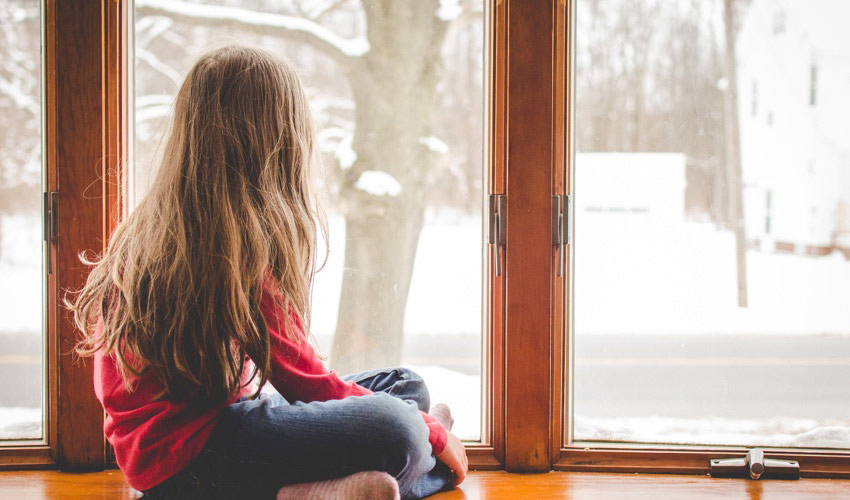
3. Seal around windows.
You may be losing heat around your windows as well. By making sure they are properly caulked, you may cut your heating bill dramatically.
4. Add insulation – especially around pipes.
Many older homes have little or no insulation in the attic. Adding insulation to the attic, walls or floors can make a big difference in winter (conserving heat) and summer (keeping the cool air in). Insulation helps with home efficiency as well as protection plumbing pipes. Inspect and add insulation, if needed, around exposed pipes located close to exterior walls, in unheated basements, and attic areas.
5. Update your appliances.
By upgrading an old furnace, or purchasing more efficient appliances, you can increase your home’s energy efficiency while keeping it warm during those cold weather months.
6. Install a programmable thermostat and keep temperature no lower than 65 degrees.
Keeping temperatures lower at night can save you a lot of money on heating costs. But dropping below 55 degrees can lead to many other problems. It’s best to keep your home no lower than 65 degrees. You also need to make sure your pipes don’t freeze and expand, causing connecting faucets and pipes to freeze and break. Smart thermostats or temperature monitors will wirelessly alert you to unusually low temperatures in the home, which is a possible precursor to freezing pipes.
7. Protect water pipes from freezing.
Be sure to install a flow-based water leak detection system to shut down the water system in an emergency and alert you of any issues (see preferred vendors). Additionally, cover all outside faucets with insulation kits.
8. Lower your water heater temperature.
By keeping the maximum temperature of your water heater just a little lower it will consume less energy, which can also save money.
9. Consider installing a backup generator.
Your furnace and water heaters cannot do their job if there is no electricity. Consider a dual use generator for natural gas and liquid propane or gasoline to automatically power your home. Besides maintaining heating systems, a generator can keep the WiFi connected, the leak detection operating, and cold food in your refrigerator.
10. Clean your gutters regularly.
Clear roof gutters, downspouts, and exterior drainage systems so they can drain properly and won’t cause issues with ice build-up or water overflow during a storm.
Insights and expertise
13 essential hurricane preparedness tips
Emergency evacuation packing list

How to keep your home cool in the summer
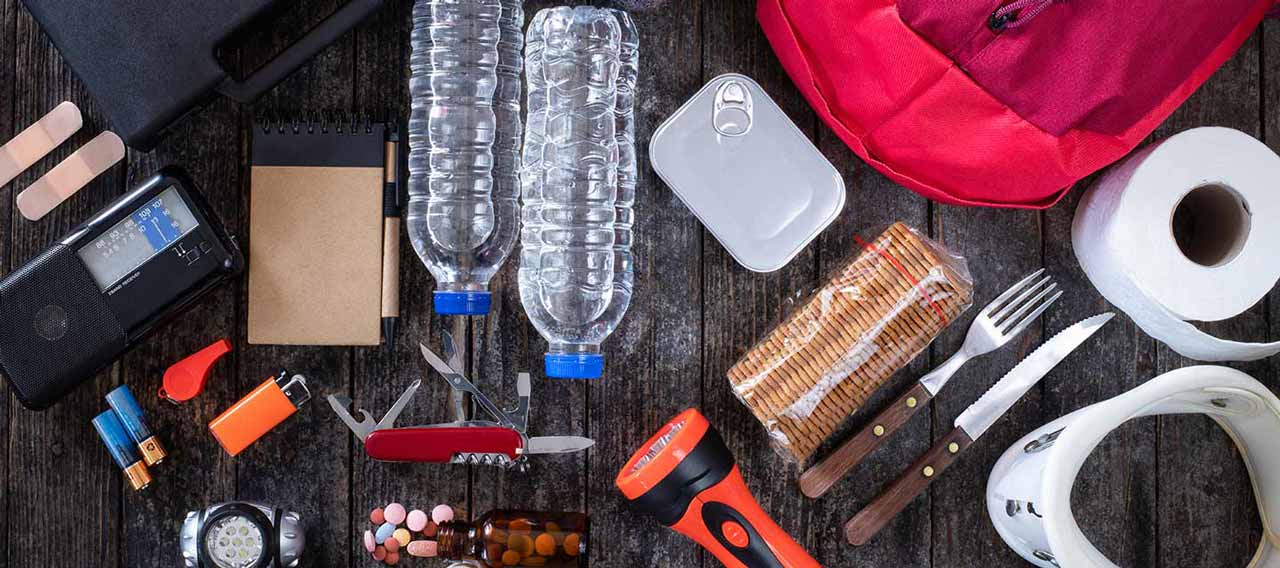
7 tips for creating your family disaster plan
This document is advisory in nature and is offered as a resource to be used together with your professional insurance advisors in maintaining a loss prevention program. It is an overview only, and is not intended as a substitute for consultation with your insurance broker, or for legal, engineering or other professional advice.
Chubb is the marketing name used to refer to subsidiaries of Chubb Limited providing insurance and related services. For a list of these subsidiaries, please visit our website at www.chubb.com. Insurance provided by ACE American Insurance Company and its U.S. based Chubb underwriting company affiliates. All products may not be available in all states. This communication contains product summaries only. Coverage is subject to the language of the policies as actually issued. Surplus lines insurance sold only through licensed surplus lines producers. Chubb, 202 Hall's Mill Road, Whitehouse Station, NJ 08889-1600.