
- Individuals & Families
- Businesses
- Agents & Brokers
- Embedded Insurance

Protect your ring with Chubb Valuable Articles insurance and get the peace of mind and financial security you need.

Because pets are family, Chubb now offers pet insurance with top-rated coverage from Healthy Paws.

Chubb offers the insurance protection you need for travel’s many “what ifs”.

Chubb protects small businesses at every stage – from newly formed start-ups to long-time anchors of the community.

Stay ahead of cyber threats with our free Cyber Claims Landscape Report.

Learn more about our dedicated learning paths, Online Learning Center, and more.



Many digital-savvy consumers look for it as a core or add-on option.
Many digital-savvy consumers look for it as a core or add-on option.
Many digital-savvy consumers look for it as a core or add-on option.

Chubb’s in-house technology makes it easy to integrate what we do into your customer experience.
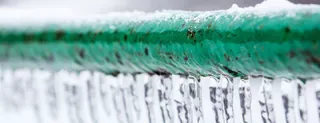
As winter weather sets in, homeowners face increased risks from frozen pipes and water leaks, which can lead to costly damages. Fortunately, homeowners can minimize these risks by taking key precautions and installing advanced leak detection systems.
In this interview, Paul Vacquier, plumbing expert and CEO of Beagle Services, talks with Chubb’s Nicole M. DiPetrillo about how smart technology can help protect homes during the coldest months of the year. A Chubb client services partner, Beagle Services inspects and evaluates plumbing systems and installs a range of leak detection hardware to help prevent costly water damage.
The benefits of water leak detection systems
Nicole: Leak detection systems are getting more attention lately. Why are they so helpful, and how do they work?
Paul: Leak detection systems are helpful because they see what homeowners can’t. A leak can start behind a wall, under a sink, or in a crawlspace where no one is checking, especially when the house is empty. Modern systems watch your home’s water use in real time. Some systems use flow sensors on the main line, and others use temperature and moisture sensors placed around the house. If something looks off — a sudden spike in water flow or a temperature drop that suggests a pipe is about to freeze — the system alerts you immediately. And many systems can shut off the main valve automatically before the leak becomes a disaster.
Nicole: So what does “smart leak mitigation” look like? What are the tools that make the biggest difference?
Paul: Whole-home smart shutoff valves monitor water flow and temperature 24/7, send alerts the second something looks wrong, and can close the main line automatically. When you pair these features with small leak sensors under sinks, behind toilets, near the water heater, and around appliances, you create a safety net that catches issues at their source. It’s proactive plumbing, stopping a problem the moment it starts.
Installations matter!
Nicole: Why does it matter who installs these systems, and what can go wrong if it’s not done correctly?
Paul: Installation is everything. A smart valve only protects a home if it’s installed in the right place, fully connected and correctly configured, and that requires someone who understands plumbing layouts and knows how to assess a home's weak points. We’ve seen systems installed in outdoor pits that flood, valves placed on the wrong side of branch lines, and sensors positioned where they’ll never detect actual risks.
A trained installer makes sure everything is set up right, tested, and connected. When the job is done right, you’re preventing losses rather than exposing yourself to a major claim.
Helping to protect your home during winter travel
Nicole: If someone is traveling during the winter months, what are the top three things they should do before they walk out the door?
Paul: Before you head out during the winter months, here are my top three tips to help protect your home from water damage:
- Keep the heat on; 55°F is the minimum, but a little higher is safer for older homes or drafty areas.
- Open cabinet doors under sinks so warm air can reach the pipes.
- Check your smart valve and leak sensors before you leave; devices can go offline after a Wi-Fi change or tripped breaker, and a quick check can prevent a costly mess.
The impact on insurance
Nicole: From an insurance standpoint, is this technology making a measurable difference?
Paul: Definitely. Insurers see smart shutoff valves as one of the best tools to help prevent water losses. We’ve seen valves automatically shut down a leak, turning what could’ve been an extensive claim into a minor cleanup and a plumber visit. With frozen-pipe losses rising every year, carriers are encouraging any preventive steps that help address this problem.
Staying vigilant and installing smart leak detection technology can make all the difference in preventing winter water damage. With the right precautions, homeowners can enjoy peace of mind throughout the coldest months. Preventing one major incident saves everyone time, money, and stress.
Beagle Services, part of the Chubb Trusted Service Network, is available to Chubb personal insurance clients to assess your plumbing system and install water leak detection sensors and shutoff valves in a single visit.
For more information and to learn if Beagle Services operates in your area, click here.
Insights and expertise
13 essential hurricane preparedness tips
Emergency evacuation packing list

How to keep your home cool in the summer

7 tips for creating your family disaster plan
This document is advisory in nature and is offered as a resource to be used together with your professional insurance advisors in maintaining a loss prevention program. It is an overview only, and is not intended as a substitute for consultation with your insurance broker, or for legal, engineering or other professional advice.
Chubb is the marketing name used to refer to subsidiaries of Chubb Limited providing insurance and related services. For a list of these subsidiaries, please visit our website at www.chubb.com. Insurance provided by ACE American Insurance Company and its U.S. based Chubb underwriting company affiliates. All products may not be available in all states. This communication contains product summaries only. Coverage is subject to the language of the policies as actually issued. Surplus lines insurance sold only through licensed surplus lines producers. Chubb, 202 Hall's Mill Road, Whitehouse Station, NJ 08889-1600.