
- Individuals & Families
- Businesses
- Agents & Brokers
- Embedded Insurance

Protect your ring with Chubb Valuable Articles insurance and get the peace of mind and financial security you need.

Because pets are family, Chubb now offers pet insurance with top-rated coverage from Healthy Paws.

Chubb offers the insurance protection you need for travel’s many “what ifs”.

Chubb protects small businesses at every stage – from newly formed start-ups to long-time anchors of the community.

Stay ahead of cyber threats with our free Cyber Claims Landscape Report.

Learn more about our dedicated learning paths, Online Learning Center, and more.



Many digital-savvy consumers look for it as a core or add-on option.
Many digital-savvy consumers look for it as a core or add-on option.
Many digital-savvy consumers look for it as a core or add-on option.

Chubb’s in-house technology makes it easy to integrate what we do into your customer experience.
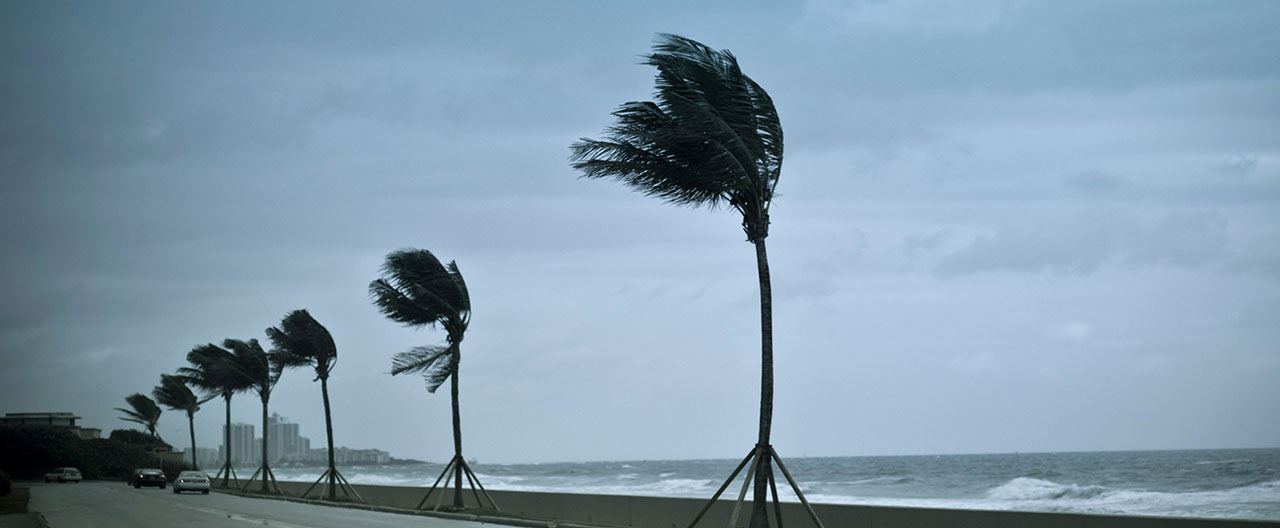
Sometimes Mother Nature has a way of reminding us who’s in charge. While you can’t control when or where a hurricane will hit, the best way to minimize potential damage is to be prepared.
How to prepare your house for a hurricane
When a major storm is coming, stay informed by following NOAA Weather radio or your local news channels for updates. In addition, make sure to obey all evacuation orders issued by the authorities. Follow these 13 hurricane and storm preparation steps to keep your home and loved ones safe before disaster strikes.
1. Make a plan
If evacuation is necessary, turn off all utilities and follow community disaster preparedness plans. Select a common meeting place or single point-of-contact for all family members. If you have pets, have a plan for their evacuation as well.
2. Verify insurance coverage
Before hurricane season arrives, take time to review your home insurance policy so you understand what is covered and whether your limits are still enough for today’s rebuilding costs. Knowing your coverage in advance can help you avoid unwelcome surprises after a storm.
It is especially important to confirm how your policy addresses wind damage, water damage, deductibles, and any separate hurricane or named-storm requirements. If your coverage is insufficient, you could be left paying significant out-of-pocket costs to repair your home, replace belongings, or cover temporary living expenses.
For Chubb clients with insured secondary or seasonal homes in select coastal areas, Chubb Property Manager is available at no additional cost and can help support recovery after sustained hurricane-force winds. If a storm affects the home, Chubb can automatically arrange exterior inspections, provide a property condition report, and, with your approval, file a claim and dispatch mitigation specialists for short-term emergency repairs. Eligible clients must enroll before an eligible weather event.
3. Secure the exterior
Trim large trees and shrubs and bring all outside patio furniture, potted plants, bikes and toys indoors. If necessary, secure outdoor sculptures with burlap or blankets tied with rope.
4. Install storm shutters
Protect windows, doors and skylights with appropriate shutters or impact-resistant glass. You can nail pieces of plywood to window frames as last-minute protection.
5. Ensure drains and sump pumps are working properly
Drains and sump pumps help move water away from your home and reduce the risk of flooding during heavy rain. Before a potential hurricane, check that they are clear, working properly, and ready to handle excess water. A quick inspection now can help prevent costly water damage later.
It’s also important to remember that most home insurance policies do not cover flooding from hurricanes. Chubb’s flood insurance option can help provide an added layer of protection and is a helpful supplement to your home insurance coverage.
6. Check roof and foundation condition
Your roof and foundation are two of the most important barriers protecting your home from hurricane damage. Before a storm, inspect for loose shingles, cracks, leaks, or other signs of wear that could worsen in high winds and heavy rain. Addressing small issues now can help reduce the risk of more serious damage later.
If you notice any concerns, consult a qualified professional to assess and address them before hurricane season is in full swing.
7. Check wall hangings and art
Make sure wall hangings are secure and take notes about your art collection and any existing damage. Make sure that art hung on outside walls is taken inside and elevated off the floor. Click here for more tips on how to help protect your art and other valuables from severe storms, winds, and floods.
8. Move your cars
Move cars to higher ground or park them in your garage against the garage doors. Do not park under trees, power lines or in low-lying areas.
9. Power up
Fill your car’s gas tank or, for hybrid/electric vehicles, make sure it is fully charged, charge your cell phone, test your generator, and have plenty of fuel ready in case of power outages.
10. Unplug appliances
Move appliances and household fixtures away from exterior doors and window openings. Store them in cabinets or interior closets.
11. Store important documents
Keep important documents, such as legal papers, birth certificates, marriage license, financial papers, and insurance policy information, as well as valuables such as jewelry, in a safety deposit box or in a bolted safe in an interior closet in your home.
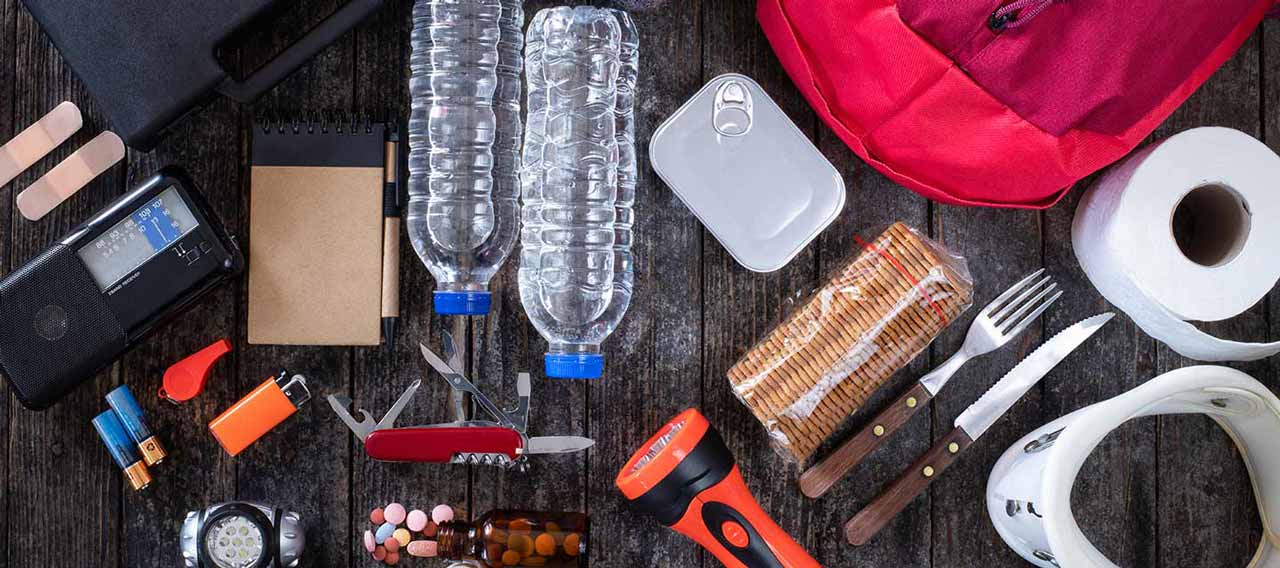
12. Prep an emergency kit
Gather flashlights, a portable radio, extra batteries, non-perishable food, bottled water, cash, blankets, clothing and toiletries.
13. Identify a shelter room
This enclosed area should be on the first floor, in the central part of the house with no windows. Avoid all unprotected windows and doors until the storm passes.
For more tips on how to prepare for a hurricane, check out these resources from Ready.gov.
Already a Chubb client? Log in to review your coverage.
Insights and expertise
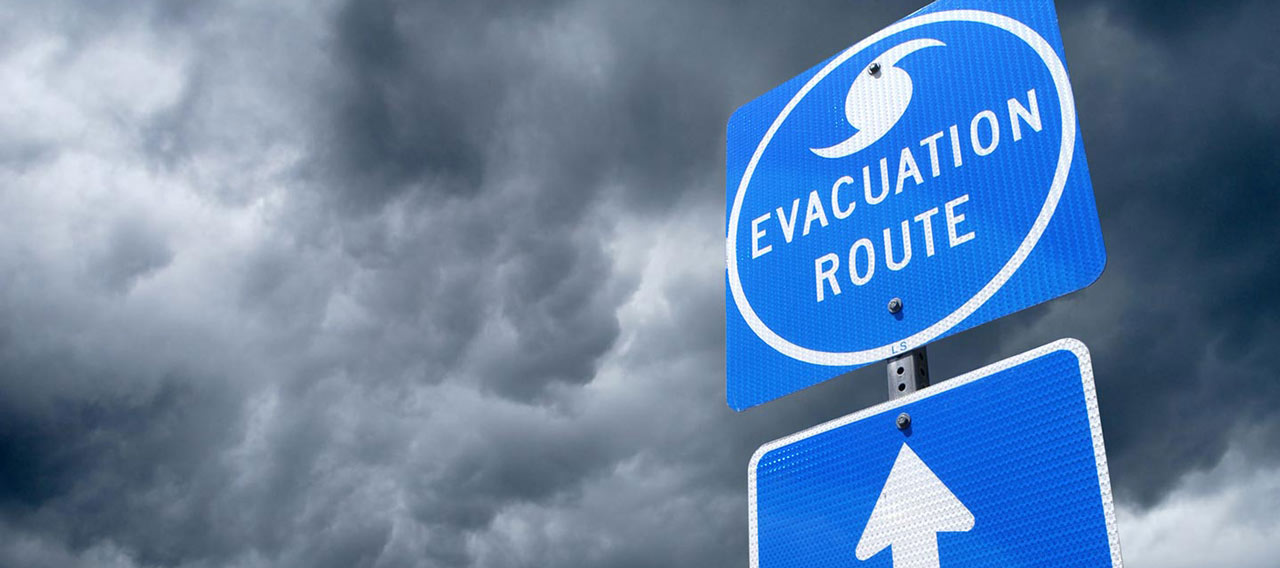
Emergency evacuation packing list

How to keep your home cool in the summer
7 tips for creating your family disaster plan

Help protect your pets with an animal evacuation plan
This document is advisory in nature and is offered as a resource to be used together with your professional insurance advisors in maintaining a loss prevention program. It is an overview only, and is not intended as a substitute for consultation with your insurance broker, or for legal, engineering or other professional advice.
Chubb is the marketing name used to refer to subsidiaries of Chubb Limited providing insurance and related services. For a list of these subsidiaries, please visit our website at www.chubb.com. Insurance provided by ACE American Insurance Company and its U.S. based Chubb underwriting company affiliates. All products may not be available in all states. This communication contains product summaries only. Coverage is subject to the language of the policies as actually issued. Surplus lines insurance sold only through licensed surplus lines producers. Chubb, 202 Hall's Mill Road, Whitehouse Station, NJ 08889-1600.