
- Individuals & Families
- Businesses
- Agents & Brokers
- Embedded Insurance

Protect your ring with Chubb Valuable Articles insurance and get the peace of mind and financial security you need.

Because pets are family, Chubb now offers pet insurance with top-rated coverage from Healthy Paws.

Chubb offers the insurance protection you need for travel’s many “what ifs”.

Chubb protects small businesses at every stage – from newly formed start-ups to long-time anchors of the community.

Stay ahead of cyber threats with our free Cyber Claims Landscape Report.

Learn more about our dedicated learning paths, Online Learning Center, and more.



Many digital-savvy consumers look for it as a core or add-on option.
Many digital-savvy consumers look for it as a core or add-on option.
Many digital-savvy consumers look for it as a core or add-on option.

Chubb’s in-house technology makes it easy to integrate what we do into your customer experience.
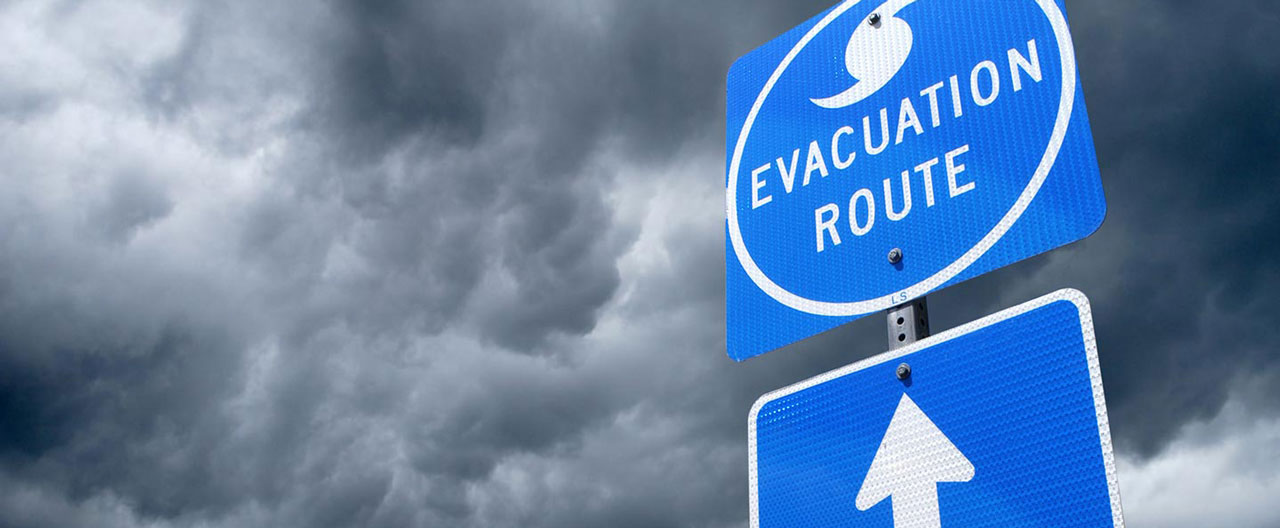
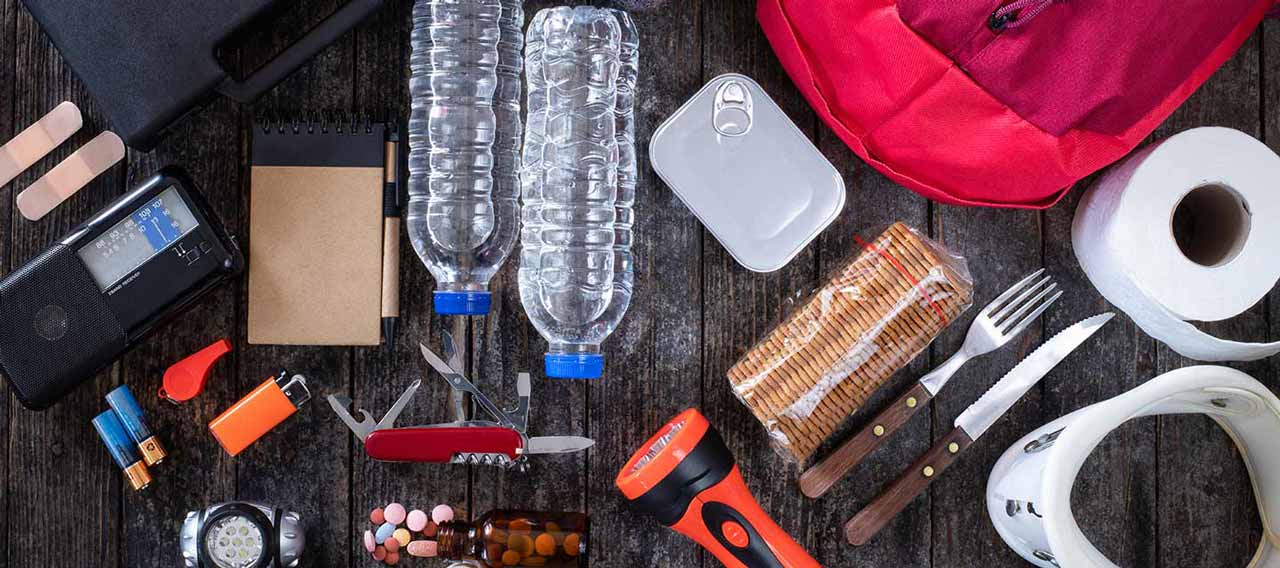
When a natural disaster gets close to your home and authorities recommend you evacuate, it’s important that you leave immediately. Don’t wait to be “ordered” to leave. Departing right away—before a mandatory evacuation is declared—can help you avoid being caught in the fire, floods, or road congestion. It also means you’ll need to have a plan in place and your evacuation kit ready to go. Here are a few tips for packing an emergency supply kit:
1. Pack your items in crates or bags you can easily carry. You’ll store them in your car but may need to cart them to other locations.
2. Include food and water for everyone in your household. Three gallons of water per person and a three-day supply of non-perishable food is a good start.
3. Pack a change of clothes for up to a week and personal hygiene items.
4. Bundle up what you’ll need for the little ones. Infant supplies, such as formula or milk, bottles, baby food, diapers, and wipes, may be hard to come by, so pack what you’ll need
5. Don’t forget your pets. Include food, water, medications, travel crates or cages, leash, and/or litter box and litter for your furry friends.
6. Remember medication. Pack a supply of prescription medications and eye care, if needed, such as contact solution and glasses.
7. Carry your ID, important papers, and cards. You’ll want to bring your driver’s license, passport, health insurance cards, legal documents (birth certificates, social security cards, will, vehicle registration and ownership papers, marriage/divorce papers, etc.), financial records, such as bank account information, credit and debit cards, government benefits, retirement and investment account statement, tax returns, as well as copies of your insurance policies.
8. Include a battery-powered radio, extra batteries, and a flashlight.
9. Bring your cell phone and charger, along with some cash in case power is out in the area and ATM’s are not available.
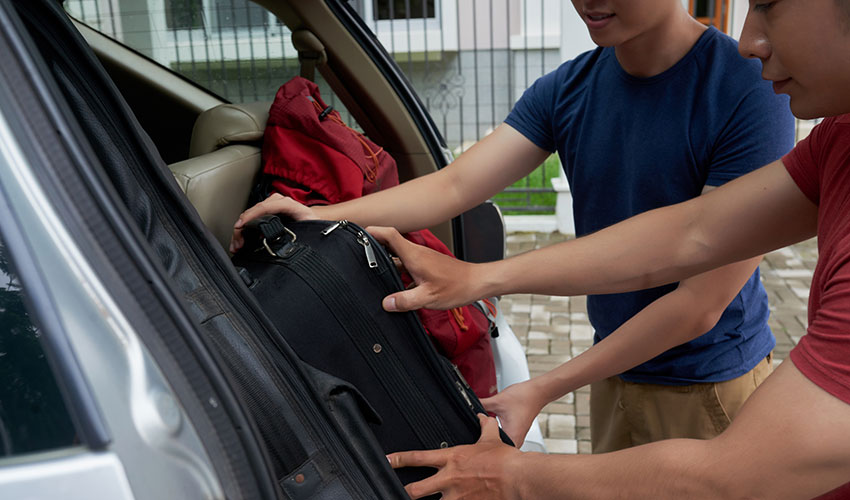
10. If you have time, pack valuables, family photos or other irreplaceable items, laptop computers, etc. If you don’t have room for computers, you can bring just the hard drive or a thumb-drive with your important data stored on it. It’s best to back-up all of your computers to a cloud or put the data on a disk or drive to be stored somewhere safe, ahead of time, so you don’t have to do it in a rush.
11. Don’t forget a first aid kit with supplies to treat injuries.
Already a Chubb client? Log in to review your coverage.
Insights and expertise
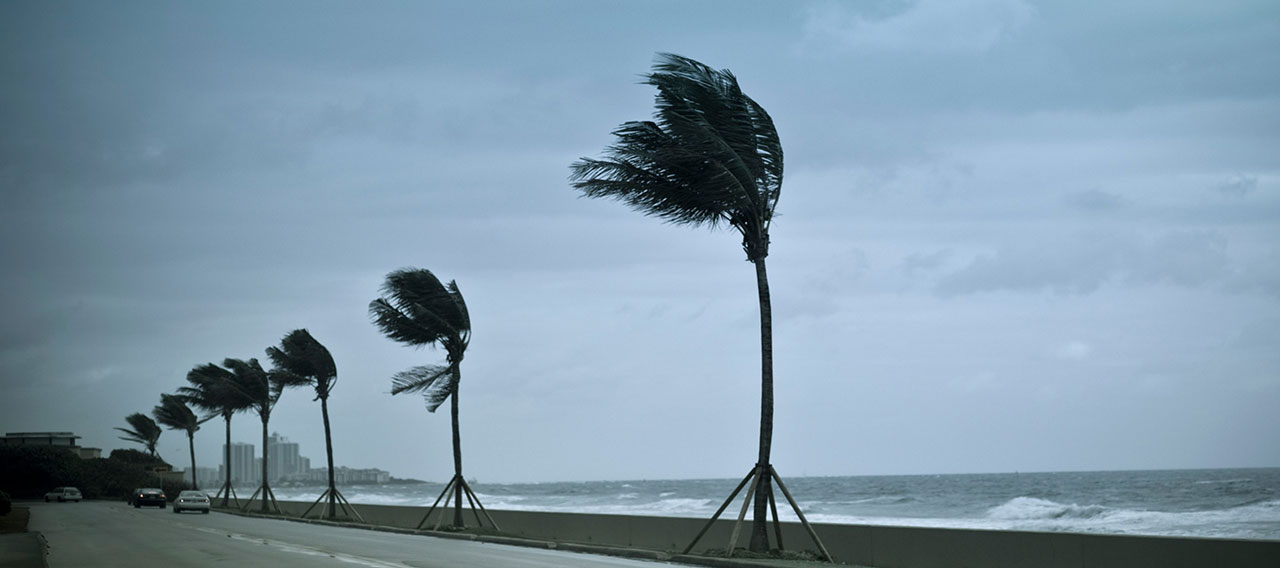
13 essential hurricane preparedness tips

How to keep your home cool in the summer
7 tips for creating your family disaster plan

5 reasons to recycle your electronics, instead of chucking them
This document is advisory in nature and is offered as a resource to be used together with your professional insurance advisors in maintaining a loss prevention program. It is an overview only, and is not intended as a substitute for consultation with your insurance broker, or for legal, engineering or other professional advice.
Chubb is the marketing name used to refer to subsidiaries of Chubb Limited providing insurance and related services. For a list of these subsidiaries, please visit our website at www.chubb.com. Insurance provided by ACE American Insurance Company and its U.S. based Chubb underwriting company affiliates. All products may not be available in all states. This communication contains product summaries only. Coverage is subject to the language of the policies as actually issued. Surplus lines insurance sold only through licensed surplus lines producers. Chubb, 202 Hall's Mill Road, Whitehouse Station, NJ 08889-1600.