
- Individuals & Families
- Businesses
- Agents & Brokers
- Embedded Insurance

Protect your ring with Chubb Valuable Articles insurance and get the peace of mind and financial security you need.

Because pets are family, Chubb now offers pet insurance with top-rated coverage from Healthy Paws.

Chubb offers the insurance protection you need for travel’s many “what ifs”.

Chubb protects small businesses at every stage – from newly formed start-ups to long-time anchors of the community.

Stay ahead of cyber threats with our free Cyber Claims Landscape Report.

Learn more about our dedicated learning paths, Online Learning Center, and more.



Many digital-savvy consumers look for it as a core or add-on option.
Many digital-savvy consumers look for it as a core or add-on option.
Many digital-savvy consumers look for it as a core or add-on option.

Chubb’s in-house technology makes it easy to integrate what we do into your customer experience.
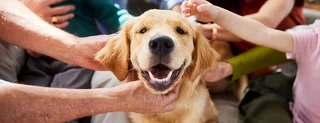
When disaster strikes — whether it be a hurricane, wildfire, flood, or earthquake—the safety of our loved ones is always a priority. And for many pet owners and animal caregivers, this concern extends beyond human family members to include our beloved pets.
Preparing for animal evacuation is not just a good practice; it’s also a crucial component of emergency planning that can save human and animal lives and minimize stress for both you and your animals.
Why preparedness matters
Natural disasters can happen with little warning. In these moments, having a well-thought-out evacuation plan for your pets and emergency supplies ready can make all the difference.
Many pet owners mistakenly believe they can simply take their animals with them when evacuating. However, without proper planning, evacuating with pets can cause delays, limit your options, and even place you and your animals in greater danger.
In addition, animals can react unpredictably during crises. A scared or injured animal may hide or experience health complications, which can cause further stress and delay.
Consider the aftermath of Hurricane Katrina. Many families were separated from their pets during the evacuation, resulting in heart-wrenching situations where animals were left behind or displaced. Learning from tragedies like this underscores the need for preemptive measures.
Key components of animal evacuation planning
- Prepare an emergency kit — Just as you prepare an emergency kit for your family, create one for your pets. Your kit should include several days’ supply of food, water, and medications, as well as leashes and comfort items. Having an emergency kit ready to go will save valuable time when every minute counts.
- Use ID tags, microchips, and GPS trackers — Ensure that your pets have proper identification. Microchipping and collars with ID tags are essential. In the chaos of a disaster and evacuation, pets can go missing; proper identification can help reunite you with your animals. Placing GPS trackers on collars can also help you locate missing pets.
- Locate animal-friendly shelters — As part of your preparation, familiarize yourself with local and regional shelters and other accommodations that accept pets during disaster situations. Research ahead of time to locate several options and learn their requirements and restrictions.
- Plan for transportation — Plan how you will transport your animals. Consider your vehicle’s capacity and ensure you have appropriate carriers for smaller pets or restraint systems for larger animals.
Community resources for animal evacuation information
Many local animal shelters and veterinary clinics provide valuable information about emergency protocols and resources available in your area.
Additionally, consider discussing evacuation plans with friends and family. This can create a support system that, in the event of an emergency, ensures someone knows how to care for your pets should you be unable to do so.
Incorporating animal evacuation planning should be part of your family’s overall emergency preparedness. By taking proactive steps, you can minimize the risks to your pets and be better equipped to respond to disasters.
Being prepared can also provide peace of mind—not only for you but also for your beloved animals. Every effort you make today can prevent heartbreak tomorrow, helping to ensure that your family remains together even in the face of catastrophe.
Insights and expertise

13 essential hurricane preparedness tips
Emergency evacuation packing list

How to keep your home cool in the summer

7 tips for creating your family disaster plan
This document is advisory in nature and is offered as a resource to be used together with your professional insurance advisors in maintaining a loss prevention program. It is an overview only, and is not intended as a substitute for consultation with your insurance broker, or for legal, engineering or other professional advice.
Chubb is the marketing name used to refer to subsidiaries of Chubb Limited providing insurance and related services. For a list of these subsidiaries, please visit our website at www.chubb.com. Insurance provided by ACE American Insurance Company and its U.S. based Chubb underwriting company affiliates. All products may not be available in all states. This communication contains product summaries only. Coverage is subject to the language of the policies as actually issued. Surplus lines insurance sold only through licensed surplus lines producers. Chubb, 202 Hall's Mill Road, Whitehouse Station, NJ 08889-1600.