
- Individuals & Families
- Businesses
- Agents & Brokers
- Embedded Insurance

Protect your ring with Chubb Valuable Articles insurance and get the peace of mind and financial security you need.

Because pets are family, Chubb now offers pet insurance with top-rated coverage from Healthy Paws.

Chubb offers the insurance protection you need for travel’s many “what ifs”.

Chubb protects small businesses at every stage – from newly formed start-ups to long-time anchors of the community.

Stay ahead of cyber threats with our free Cyber Claims Landscape Report.

Learn more about our dedicated learning paths, Online Learning Center, and more.



Many digital-savvy consumers look for it as a core or add-on option.
Many digital-savvy consumers look for it as a core or add-on option.
Many digital-savvy consumers look for it as a core or add-on option.

Chubb’s in-house technology makes it easy to integrate what we do into your customer experience.
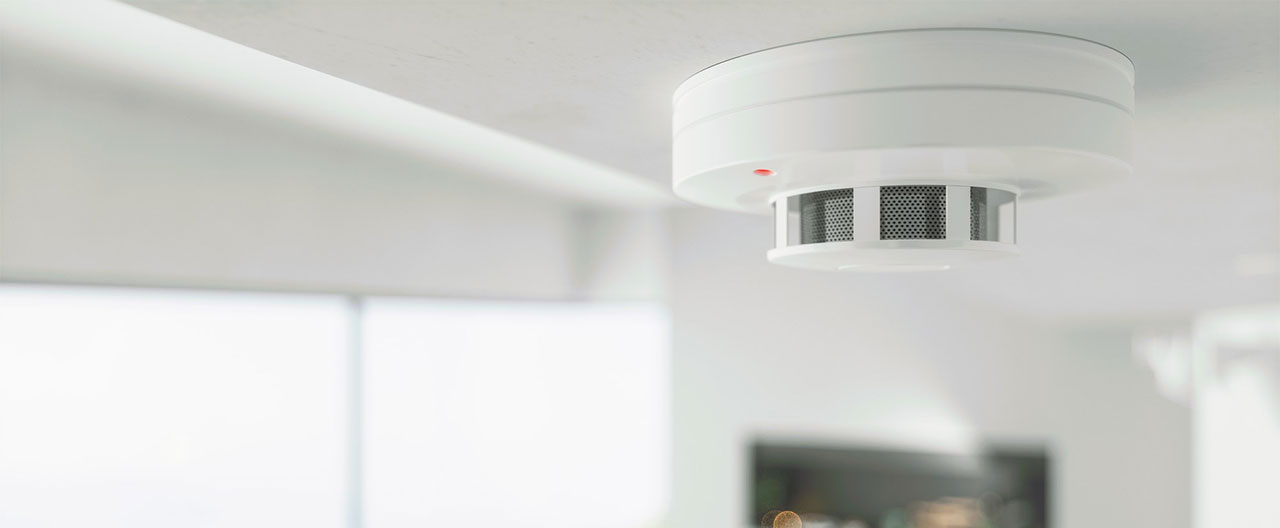
With more people are staying at home, working from home, and even exercising and going to school at home, home renovations have increased dramatically. You may need more space, or the space you have just isn’t organized well for what you need now. Before you start renovating, though, be sure you have a complete fire alarm system in place. Here’s why:
- Fires often start in crawl spaces and attic areas. When you’re renovating a home or adding space to a house, contractors often need to go into attics or crawl spaces to install wires, plumbing, or HVAC ducts. If you have a monitored central fire alarm in place but the system does not have sensors in the crawl space or attic areas of the home, you can be at greater risk of a loss during a renovation.
- Contractors only have so much insurance. While contractors often have a certain amount of insurance coverage for these situations, it is important to contact your agent/broker whenever you are planning renovations to your home. You may need to increase the limits on your homeowner’s policy while renovations are happening to be appropriately insured.
- There will be more people in your home. Renovations often mean tradespeople such as carpenters, electricians, roofers, and plumbers are in the house, which increases the risk to the home.
Installing a temporary central fire alarm during renovations
Before renovating your home, consider having a professional alarm company install a temporary but thorough central fire alarm system that protects all areas of your home with a heat sensor, including attics, garages, and crawl spaces. Once construction is complete and before you move into the space, you’ll want to replace the temporary system with a permanent central fire alarm system that includes smoke detectors in all finished living spaces and heat sensors in all attic, garage, and crawl spaces.
We’re here to help
At Chubb, we look for ways to do more for our clients, like providing risk engineering recommendations that can help you take steps to prevent losses from happening in the first place. Chubb Risk Consultants are also available to provide guidance throughout the home assessment process, addressing alarm systems and other measures that can be used to reduce the risk of fire in your home and keep you, your family, and your new (or updated) home safe.
Insights and expertise
Emergency evacuation packing list

How to keep your home cool in the summer

7 tips for creating your family disaster plan

5 reasons to recycle your electronics, instead of chucking them
This document is advisory in nature and is offered as a resource to be used together with your professional insurance advisors in maintaining a loss prevention program. It is an overview only, and is not intended as a substitute for consultation with your insurance broker, or for legal, engineering or other professional advice.
Chubb is the marketing name used to refer to subsidiaries of Chubb Limited providing insurance and related services. For a list of these subsidiaries, please visit our website at www.chubb.com. Insurance provided by ACE American Insurance Company and its U.S. based Chubb underwriting company affiliates. All products may not be available in all states. This communication contains product summaries only. Coverage is subject to the language of the policies as actually issued. Surplus lines insurance sold only through licensed surplus lines producers. Chubb, 202 Hall's Mill Road, Whitehouse Station, NJ 08889-1600.