
- Individuals & Families
- Businesses
- Agents & Brokers
- Embedded Insurance

Because pets are family, Chubb now offers pet insurance with top-rated coverage from Healthy Paws.

Chubb offers the insurance protection you need for travel’s many “what ifs”.

Chubb protects small businesses at every stage – from newly formed start-ups to long-time anchors of the community.

Stay ahead of cyber threats with our free Cyber Claims Landscape Report.

Learn more about our dedicated learning paths, Online Learning Center, and more.



Many digital-savvy consumers look for it as a core or add-on option.
Many digital-savvy consumers look for it as a core or add-on option.
Many digital-savvy consumers look for it as a core or add-on option.

Chubb’s in-house technology makes it easy to integrate what we do into your customer experience.
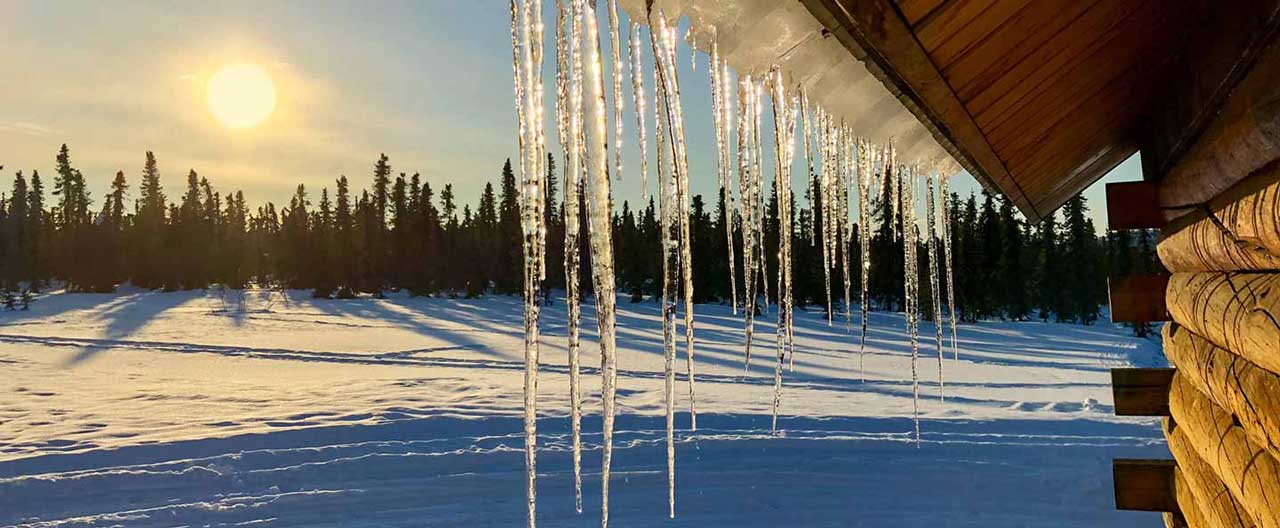
The worst winter storm can sometimes knock out the power for days at a time. Don't wait until you see the first snowflake to begin preparing! Here are some ways to get started:
Stay warm
- Generator: Place it outside, at least 20 feet from your windows, doors, or vents.
- Space heater: To avoid fire hazards, place it at least three feet away from furniture, curtains, or other flammables.
- Firewood: Make sure your fireplace is up to code before you use it, and follow these safety tips.
- Warm bedding and clothing: Stock up on extra blankets, sleeping bags, and warm winter coats.
Let there be light
- Flashlights or lanterns: Don’t forget extra batteries too!
- Candles: You can use these if you have nothing else, but never leave them unattended, as they can start a fire.
- And if you do lose power, here are some helpful tips to consider.
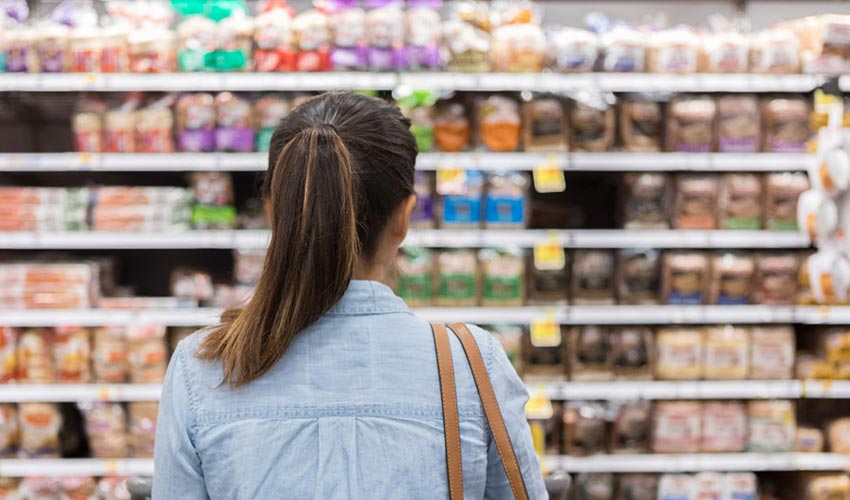
Stock the pantry
- Bottled water: Don’t wait too long before the stores run out.
- Foods that won’t spoil easily: Think anything that doesn’t need to be refrigerated or cooked, such as canned food, granola bars, nut butters, crackers, bread, and fruit such as bananas and oranges.
- Baby and pet food: Make sure to have a few days’ worth of supplies.
- Cooler full of ice: If you don’t have a backup generator, this can help keep some food cold.
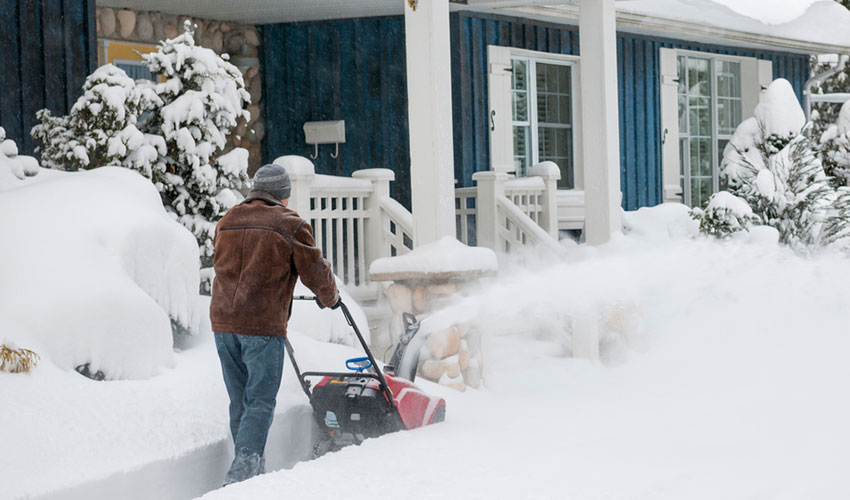
Get snow gear
- Salt: Purchase rock salt or an environmentally-safe alternative to melt ice on your driveway, porch, and walkways.
- Shovels and snow blowers: Ensure you have gas for your snow blower as well.
- Roof rake: A great tool to help you avoid damage to your roof.
- Car supplies: Top it off with antifreeze, windshield washer fluid, gas, and ice scrapers.
Prep an emergency kit
- Battery-powered radio: If your Internet and power go out, you may need to go old-school and listen for updates about the storm.
- Prescriptions: It’s a good idea to have at least a week’s worth of your family’s medications on hand.
- Extra cash: In case ATM machines aren’t working.
- First aid supplies: Think band aids, antibacterial cream, etc.
- Toiletries: You never know if you need to relocate your family temporarily.
- Copies of important documents: In case you need to leave quickly, you’ll have access to things like your insurance policies and utilities information.
Remember to stay indoors and off the roads if possible to keep yourself, your family, and your home safe. And who knows? You may even enjoy a good snow day!
Insights and expertise


This document is advisory in nature and is offered as a resource to be used together with your professional insurance advisors in maintaining a loss prevention program. It is an overview only, and is not intended as a substitute for consultation with your insurance broker, or for legal, engineering or other professional advice.
Chubb is the marketing name used to refer to subsidiaries of Chubb Limited providing insurance and related services. For a list of these subsidiaries, please visit our website at www.chubb.com. Insurance provided by ACE American Insurance Company and its U.S. based Chubb underwriting company affiliates. All products may not be available in all states. This communication contains product summaries only. Coverage is subject to the language of the policies as actually issued. Surplus lines insurance sold only through licensed surplus lines producers. Chubb, 202 Hall's Mill Road, Whitehouse Station, NJ 08889-1600.