
- Individuals & Families
- Businesses
- Agents & Brokers
- Embedded Insurance

Protect your ring with Chubb Valuable Articles insurance and get the peace of mind and financial security you need.

Because pets are family, Chubb now offers pet insurance with top-rated coverage from Healthy Paws.

Chubb offers the insurance protection you need for travel’s many “what ifs”.

Chubb protects small businesses at every stage – from newly formed start-ups to long-time anchors of the community.

Stay ahead of cyber threats with our free Cyber Claims Landscape Report.

Learn more about our dedicated learning paths, Online Learning Center, and more.



Many digital-savvy consumers look for it as a core or add-on option.
Many digital-savvy consumers look for it as a core or add-on option.
Many digital-savvy consumers look for it as a core or add-on option.

Chubb’s in-house technology makes it easy to integrate what we do into your customer experience.
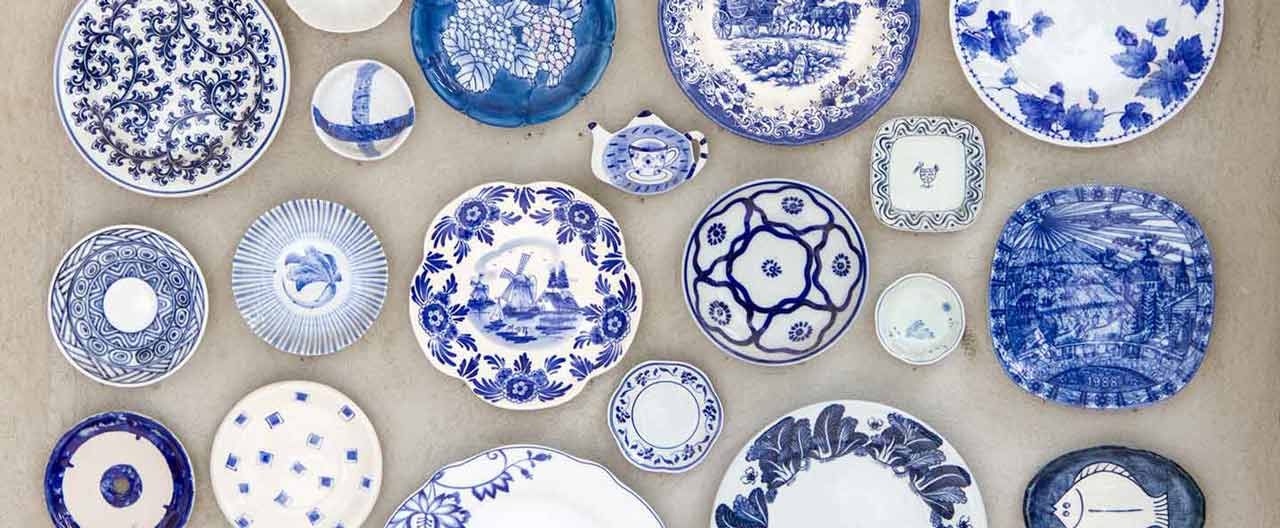
Much of the beauty of pottery lies in its fragility. Regardless of which type of pottery you purchase or collect— contemporary or ancient vessels, tiles, sculpture or dolls — it is often difficult to show it off without putting it in harm’s way. Below are a few tips for displaying your pottery while protecting its value and appearance:
Forget its function
Low-fired pottery such as that traditionally made by American Indian artisans was typically used for utilitarian water jars and serving bowls. However, it is often porous and absorbs water easily, making it sensitive to erosion and salt damage. Instead of using it in the way it was designed, display it as decorative art only.
Try not to move it
Find a place for your pottery and try not to move it from that location. The main danger to decorative ceramics is poor handling. Weak points between handles and body, thin rims, etc. – they are all susceptible to breaking the more they’re handled or moved. If you have to move a piece, use both hands, lift from the base, and wear gloves to avoid fingerprints on the surface.
Clean it carefully, if you must
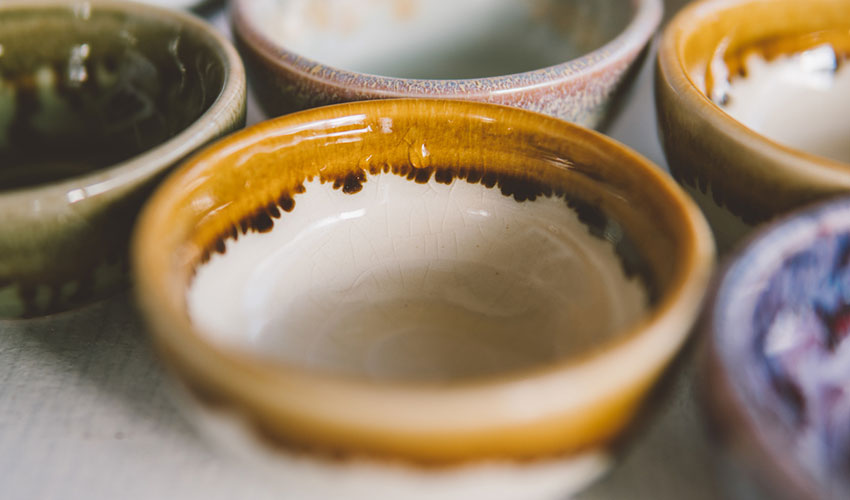
It is best to avoid cleaning your pottery, if at all possible. However, if you must clean it, use a soft brush, but don’t agitate the surface or use water. Pottery that is unevenly fired or simply baked may dissolve in water.
Don’t DIY
Conservators are specially trained to repair and restore antique pottery. A poor DIY job can ruin the value of your piece, where a professional repair can preserve its integrity. The simple solution is this: if you’re unsure about your piece, leave it to a professional.
Insights and expertise
How to insure fine art
5 items not to overlook when valuing your wardrobe

Protecting a luxury handbag investment: Tips for next gen collectors

The power behind the sports memorabilia market
This document is advisory in nature and is offered as a resource to be used together with your professional insurance advisors in maintaining a loss prevention program. It is an overview only, and is not intended as a substitute for consultation with your insurance broker, or for legal, engineering or other professional advice.
Chubb is the marketing name used to refer to subsidiaries of Chubb Limited providing insurance and related services. For a list of these subsidiaries, please visit our website at www.chubb.com. Insurance provided by ACE American Insurance Company and its U.S. based Chubb underwriting company affiliates. All products may not be available in all states. This communication contains product summaries only. Coverage is subject to the language of the policies as actually issued. Surplus lines insurance sold only through licensed surplus lines producers. Chubb, 202 Hall's Mill Road, Whitehouse Station, NJ 08889-1600.