
- Individuals & Families
- Businesses
- Agents & Brokers
- Embedded Insurance

Protect your ring with Chubb Valuable Articles insurance and get the peace of mind and financial security you need.

Because pets are family, Chubb now offers pet insurance with top-rated coverage from Healthy Paws.

Chubb offers the insurance protection you need for travel’s many “what ifs”.

Chubb protects small businesses at every stage – from newly formed start-ups to long-time anchors of the community.

Stay ahead of cyber threats with our free Cyber Claims Landscape Report.

Learn more about our dedicated learning paths, Online Learning Center, and more.



Many digital-savvy consumers look for it as a core or add-on option.
Many digital-savvy consumers look for it as a core or add-on option.
Many digital-savvy consumers look for it as a core or add-on option.

Chubb’s in-house technology makes it easy to integrate what we do into your customer experience.
Preserved animals as conversation pieces. Canvases covered in chewing gum. Five figure acquisitions completed by cell phone. New media, new genres, and new channels are just a few of the ways art collecting is changing for the next generation. With those changes come new challenges and risks. But don’t worry, these risks can be managed with the help of a risk manager, conservator, or a Chubb art specialist.
1. New art media can dry out, fade, or disintegrate - and that may be the artist’s intention.
If your artwork is created with unique media, your display and preservation issues will be unique too. Artists now use a range of materials, from acrylic and oil paints to food products and other ephemeral materials. In some cases, the artist is aware that these materials will change over time, and they may consider that change to be part of the work. Collectors of artwork which includes non-traditional materials should work with a conservator to ensure proper display and environmental controls are in place to help protect and preserve their artwork.
2. Animals as art may be a fire hazard.
You may not expect taxidermy and other animal preservation methods to be popular with the next generation of collectors, but some artists, such as Damien Hirst and Maurizio Cattelan, have incorporated them into their art. These types of artwork may be susceptible to infestation if not properly preserved and can pose a fire hazard if combustible liquids such as formaldehyde are used. Keeping them within climate-controlled environments can prevent many mishaps or issues.
3. Conceptual art needs its certificate of authenticity and instructions.
When you purchase a piece of conceptual art, you’ll receive a certificate of authenticity and a detailed set of instructions on how to create the work. The artist, his or her studio, or the owner will install (and potentially destroy and re-install) the artwork, according to the artist’s instructions. Because the concept is more important than the work itself, lost certificates may mean the value of the piece is also lost. Make sure you keep those in a secure location, such as a safety deposit box, to maintain the value of the work.
4. New media can be very delicate.
Before you install a piece of artwork using non-traditional media, contact an art conservator to help you identify unstable materials or inherent structural issues. He or she can also help you find the right way to protect and preserve even the most delicate of pieces. Art handlers can advise you on the most appropriate installation hardware to use, based on the work’s size and characteristics. After installation, consult an art handler on a regular basis to determine whether hanging wires and devices have weakened over time, putting your works at risk.
5. Use caution when purchasing online.
Travel to major art centers, like New York or Los Angeles, is no longer a necessity. As a collector, you can engage directly with galleries, museums, and artists through websites such as Artnet, the largest online art auction house. In addition, curated virtual tours, online auctions, and Instagram accounts make it easier to preview and buy artwork without leaving your home. Along with auction houses, art fairs and art galleries pivoted to online sales last year and growth in this area will likely continue. However, purchasing artwork online presents additional risks, since you’re not there, in person, to see the artwork and its actual condition. To help ensure a quality purchase, request a condition report and provenance information before buying.
6. Ship and pack your artwork using only specialists.
If you are purchasing artwork online or if you intend on moving your artwork from place to place, it’s important to use a packer and shipper that specializes in handling fine art, rather than a general carrier, since transit is a major cause of loss or damage to art.
7. Don’t forget insurance.
Most homeowner’s policies cover your home and its contents but may not be enough to cover a fine art purchase or group of pieces. Make sure to contact your insurance agent to see if you need an additional valuable articles policy, that will cover your artwork, whether it is lost, stolen, or damaged, up to its actual value.
Insights and expertise
How to insure fine art
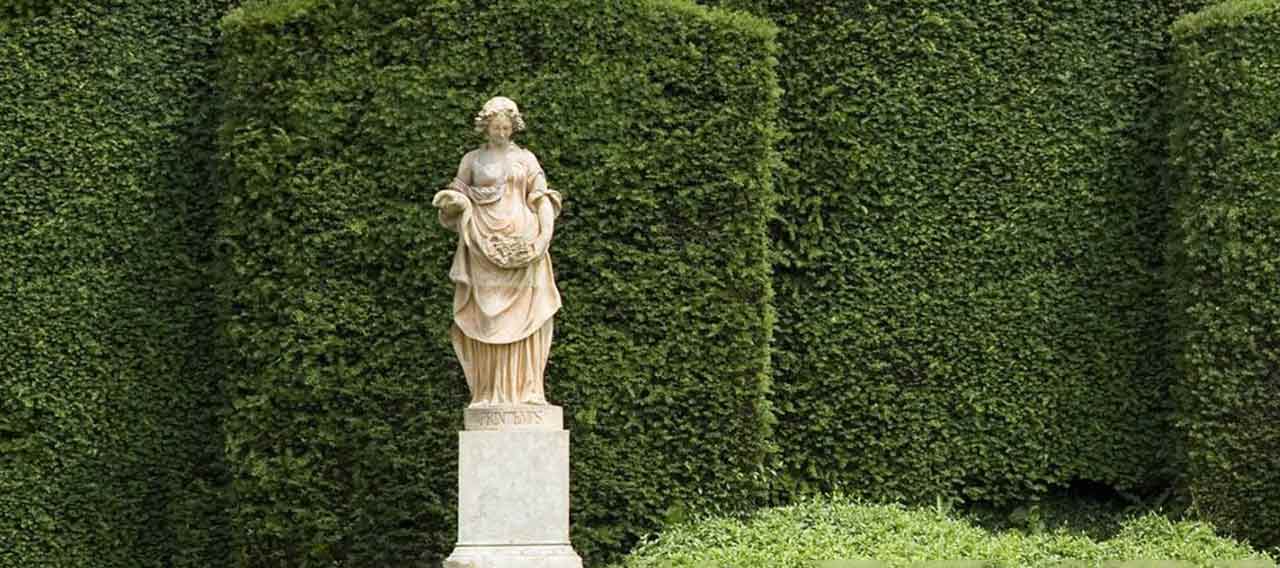
10 things to consider when selecting, installing, and maintaining outdoor sculpture
6 tips for selecting the right art storage facility
Protecting your art and other valuables from wildfire damage
This document is advisory in nature and is offered as a resource to be used together with your professional insurance advisors in maintaining a loss prevention program. It is an overview only, and is not intended as a substitute for consultation with your insurance broker, or for legal, engineering or other professional advice.
Chubb is the marketing name used to refer to subsidiaries of Chubb Limited providing insurance and related services. For a list of these subsidiaries, please visit our website at www.chubb.com. Insurance provided by ACE American Insurance Company and its U.S. based Chubb underwriting company affiliates. All products may not be available in all states. This communication contains product summaries only. Coverage is subject to the language of the policies as actually issued. Surplus lines insurance sold only through licensed surplus lines producers. Chubb, 202 Hall's Mill Road, Whitehouse Station, NJ 08889-1600.