
- Individuals & Families
- Businesses
- Agents & Brokers
- Embedded Insurance

Protect your ring with Chubb Valuable Articles insurance and get the peace of mind and financial security you need.

Because pets are family, Chubb now offers pet insurance with top-rated coverage from Healthy Paws.

Chubb offers the insurance protection you need for travel’s many “what ifs”.

Chubb protects small businesses at every stage – from newly formed start-ups to long-time anchors of the community.

Stay ahead of cyber threats with our free Cyber Claims Landscape Report.

Learn more about our dedicated learning paths, Online Learning Center, and more.



Many digital-savvy consumers look for it as a core or add-on option.
Many digital-savvy consumers look for it as a core or add-on option.
Many digital-savvy consumers look for it as a core or add-on option.

Chubb’s in-house technology makes it easy to integrate what we do into your customer experience.

Whether you need an updated appraisal of your artwork for insurance purposes, or just found what you think might be a rare find, getting a good art appraiser is key to establishing the actual value of your pieces. And while the appraisal profession is unregulated and does not require a license, there are ways to make sure you connect with a qualified source.
1. Look for an appraiser from one of the three main appraisal societies.
The Appraisers Association of America (AAA), American Society of Appraisers (ASA), and the International Society of Appraisers (ISA) all hold their members to certain standards of conduct, so they are typically a good place to start looking for an appraiser.
2. Have your appraisal written to USPAP standards.
The Uniform Standards of Professional Appraisal Practice is the generally acceptable standard for professional appraisals in North America. USPAP contains standards for all types of appraisal services, including real estate, personal property including artwork, and other personal or business property.
3. Use an appraiser who specializes in what you have.
You’ll want to use appraisers who specialize in the genre of artwork you own. That way, they will be able to provide an accurate appraisal, based on their knowledge of the marketplace.
4. Re-appraise every 3 to 5 years.
Since markets can fluctuate and the price of your pieces can go up or down, it’s smart to have your artwork appraised every three to five years. For certain market segments, like Post-War and Contemporary, every one to three years may be a better timeframe. With an up-to-date appraisal, you can go back to your insurance company and ensure that your valuables will be fully protected if something happens.
Insights and expertise
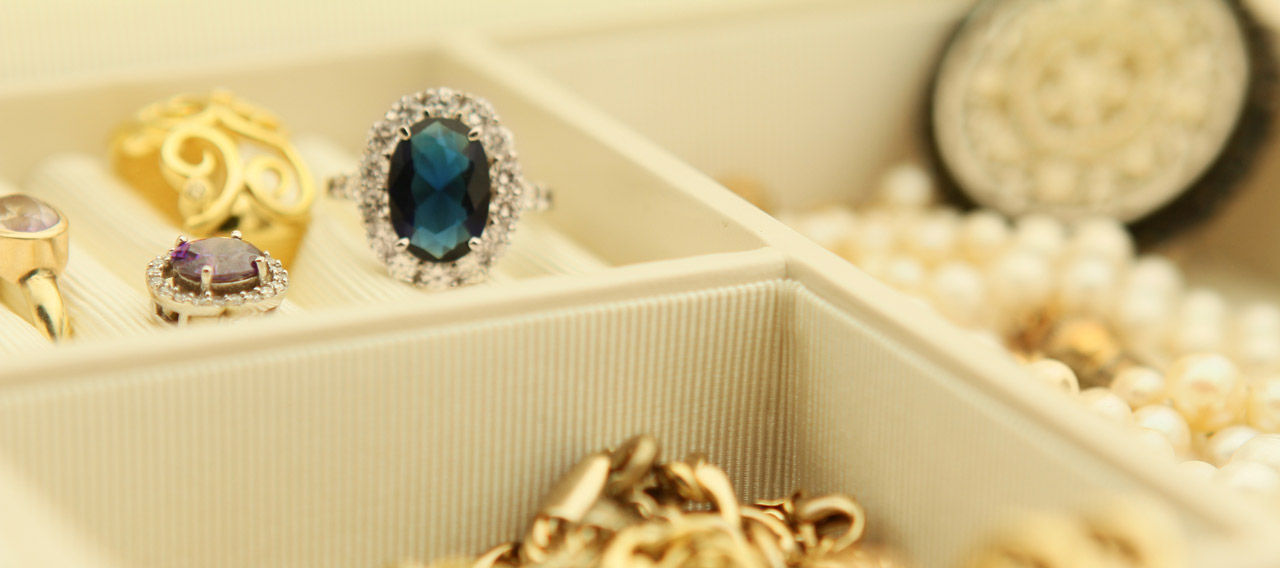
When do I need insurance for my jewelry and valuables?
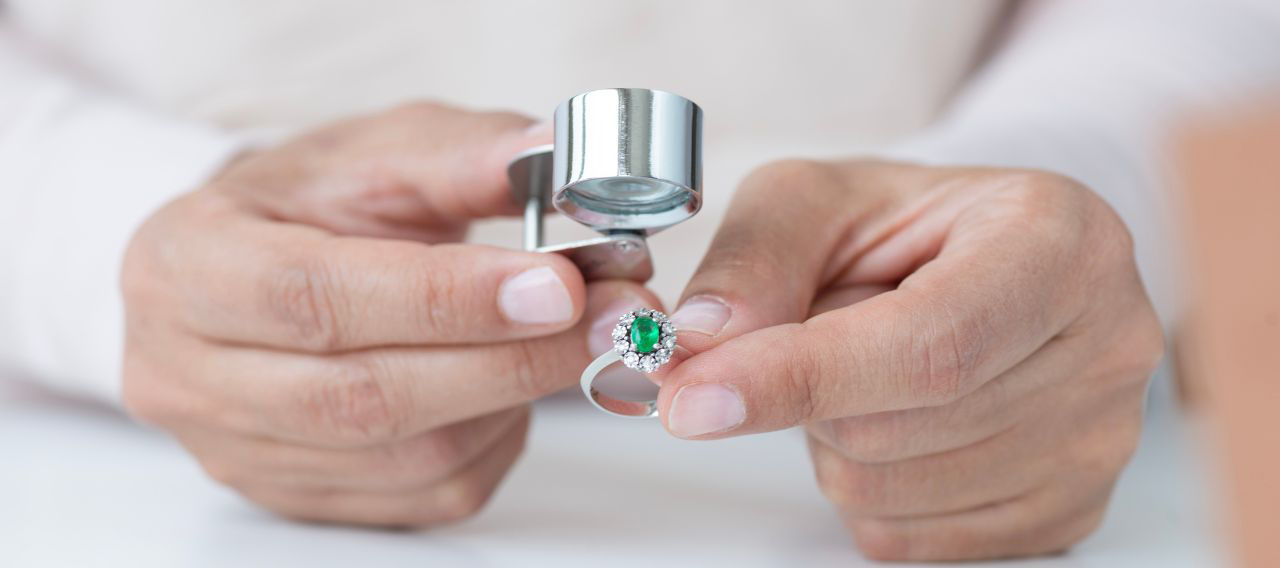
How do I get my jewelry appraised?
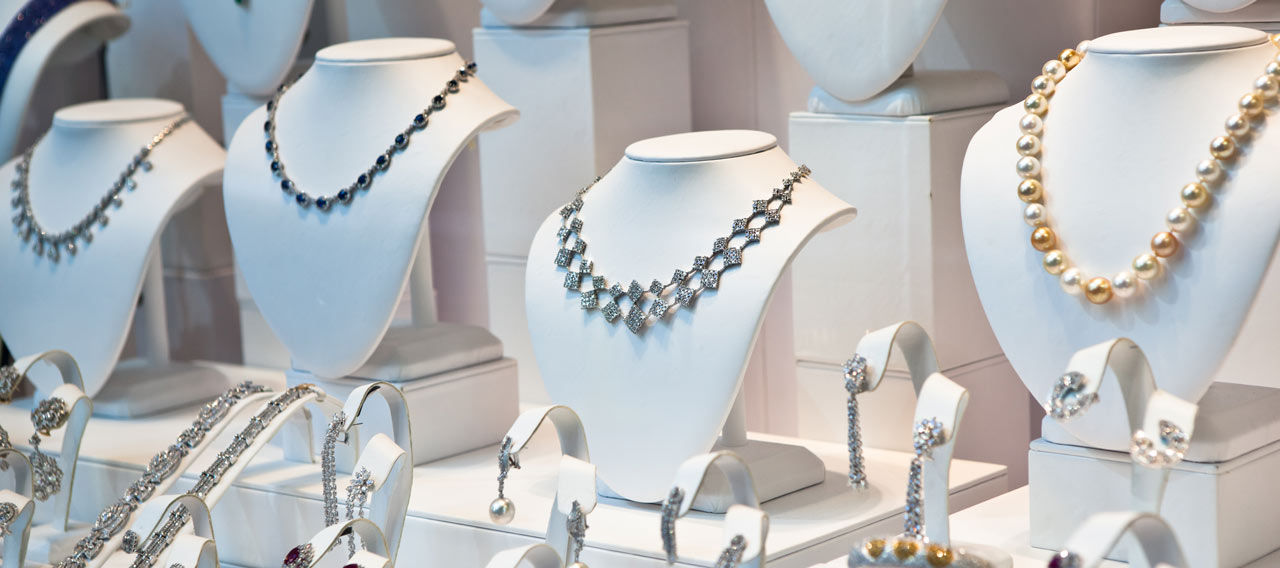
How to insure high-value jewelry

5 items not to overlook when valuing your wardrobe
This document is advisory in nature and is offered as a resource to be used together with your professional insurance advisors in maintaining a loss prevention program. It is an overview only, and is not intended as a substitute for consultation with your insurance broker, or for legal, engineering or other professional advice.
Chubb is the marketing name used to refer to subsidiaries of Chubb Limited providing insurance and related services. For a list of these subsidiaries, please visit our website at www.chubb.com. Insurance provided by ACE American Insurance Company and its U.S. based Chubb underwriting company affiliates. All products may not be available in all states. This communication contains product summaries only. Coverage is subject to the language of the policies as actually issued. Surplus lines insurance sold only through licensed surplus lines producers. Chubb, 202 Hall's Mill Road, Whitehouse Station, NJ 08889-1600.