
- Individuals & Families
- Businesses
- Agents & Brokers
- Embedded Insurance

Protect your ring with Chubb Valuable Articles insurance and get the peace of mind and financial security you need.

Because pets are family, Chubb now offers pet insurance with top-rated coverage from Healthy Paws.

Chubb offers the insurance protection you need for travel’s many “what ifs”.

Recognized for Outstanding Customer Satisfaction among Small Business Insurers and ranked #1 in Digital Channels.

Stay ahead of cyber threats with our free Cyber Claims Landscape Report.

Learn more about our dedicated learning paths, Online Learning Center, and more.


Many digital-savvy consumers look for it as a core or add-on option.
Many digital-savvy consumers look for it as a core or add-on option.
Many digital-savvy consumers look for it as a core or add-on option.

Chubb’s in-house technology makes it easy to integrate what we do into your customer experience.

Mold, Legionella, and other microbes can grow in buildings with excess moisture and stagnant water. These microscopic agents can cause a range of illnesses, from mild allergies to acute respiratory illness.
By understanding the risks posed by these microbes and implementing preventive measures, building owners and managers can create healthier indoor environments for occupants.
Legionella
Legionella grows primarily in stagnant or standing water found in unused plumbing and other inadequately maintained building water systems.
Legionella health risks. Inhaling Legionella bacteria from aerosolized water can cause Legionnaires’ disease. Legionnaires’ disease is a severe form of pneumonia. Its symptoms include cough, shortness of breath, fever, muscle aches, and headache. Legionnaires’ disease has a case-fatality rate of about 10%.1
Mold
Moisture intrusion from the exterior building envelope, internal moisture sources, and elevated relative humidity can all give rise to mold growth within buildings on materials such as carpet, wallboard and other furnishings.
Mold health risks. Elevated indoor mold concentrations most commonly result in allergy health symptoms, such as sneezing, coughing, and itchy eyes. People with asthma or comprised immune systems can develop more serious illnesses, including respiratory infections and sinusitis. Some molds also produce mycotoxins, which are associated with a range of adverse health effects when found in high concentrations.

Tips for reducing legionella risk
You can minimize the risks of Legionella by implementing a water management program in accordance with ASHRAE Standard 188, minimizing stagnation of water systems during periods of minimal occupancy, and performing regular maintenance on the following three areas:
- Water systems. Flush hot- and cold-water systems through all points of use, including sinks, showers, and toilets. Allow hot water systems to reach their maximum temperature (but avoid scalding risks!). Minimize splashing and aerosol generation during flushing. Systems that have been stagnant for long periods of time may require more advanced disinfection measures.
- Cooling towers. HVAC systems that use cooling towers can have Legionella that proliferates when not treated properly or are operated at a reduced capacity. Before reopening facilities, be sure to deep clean cooling towers following manufacturers’ guidelines, removing visible slime, debris, and biofilm.
- Water-using equipment. Drain, clean, and disinfect fountains, ice makers, pools, spas, and other water-using equipment that have been idle. Also, flush and treat safety equipment such as fire sprinkler systems and eye wash stations before reopening buildings.
Tips to reduce mold health risks
- Identify mold. Visually inspect equipment and surfaces for signs of mold; keep in mind that odor can also indicate the presence of mold. Consider retaining a building and environmental health professional to determine what steps can be taken to limit moisture in your offices or facility and consider developing and implementing a formal plan for mold and moisture control. Environmental sampling can also be conducted by accredited professional to determine the presence and severity of mold.
- Clean, repair, and replace. Clean surfaces of mold and replace any materials that cannot be sufficiently cleaned prior to re-occupancy. Any remediation should be conducted in accordance with EPA’s Guideline, Mold Remediation in Schools and Commercial Buildings and in accordance with any state-licensing regulations.
For more information on Legionella risk, see: Reducing the Risk of Legionnaire’s Disease.
For more information about protecting your business, visit our Risk Engineering Services.
1 Centers for Disease Control and Prevention: Legionella Fast Facts.
Insights and expertise

Managing pharmaceutical and medical device representatives

Ignitable liquids in Life Sciences facilities

Trends in commercial real estate

School’s in session: Understanding education related risks
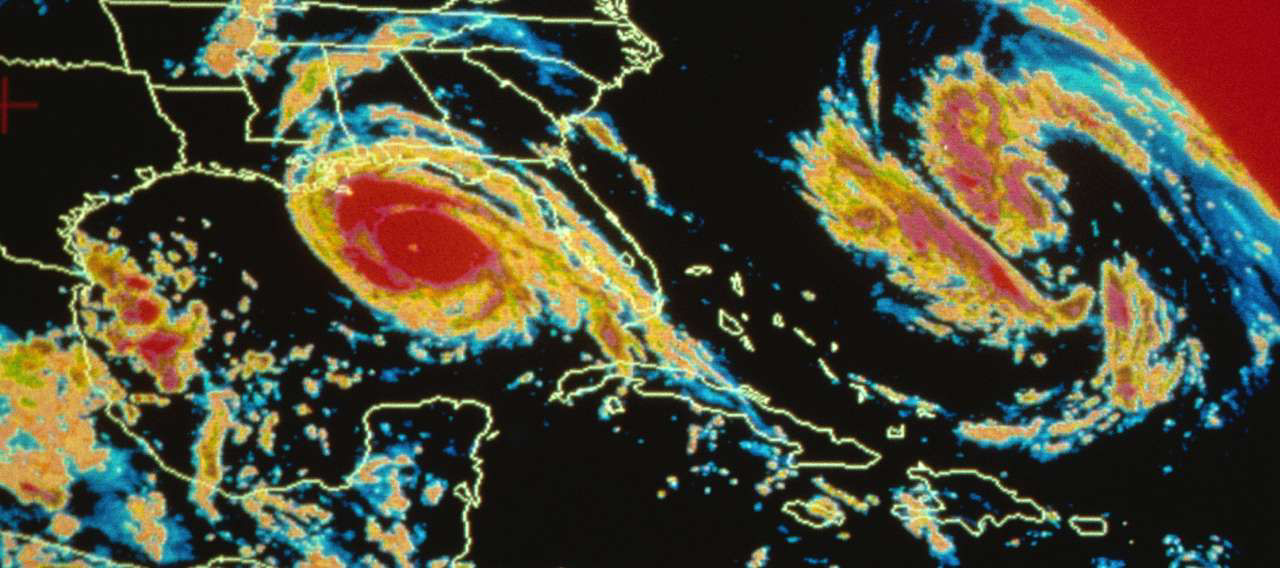
El Niño is a Systemic Risk, not just a Weather Event

How the market is (Re)defining digital and physical risks

How to protect your business from supply chain disruption

Protecting perishable property
This document is advisory in nature and is offered as a resource to be used together with your professional insurance advisors in maintaining a loss prevention program. It is an overview only, and is not intended as a substitute for consultation with your insurance broker, or for legal, engineering or other professional advice.
Chubb is the marketing name used to refer to subsidiaries of Chubb Limited providing insurance and related services. For a list of these subsidiaries, please visit our website at www.chubb.com. Insurance provided by ACE American Insurance Company and its U.S. based Chubb underwriting company affiliates. All products may not be available in all states. This communication contains product summaries only. Coverage is subject to the language of the policies as actually issued. Surplus lines insurance sold only through licensed surplus lines producers. Chubb, 202 Hall's Mill Road, Whitehouse Station, NJ 08889-1600.