
- Individuals & Families
- Businesses
- Agents & Brokers
- Embedded Insurance

Protect your ring with Chubb Valuable Articles insurance and get the peace of mind and financial security you need.

Because pets are family, Chubb now offers pet insurance with top-rated coverage from Healthy Paws.

Chubb offers the insurance protection you need for travel’s many “what ifs”.

Chubb protects small businesses at every stage – from newly formed start-ups to long-time anchors of the community.

Stay ahead of cyber threats with our free Cyber Claims Landscape Report.

Learn more about our dedicated learning paths, Online Learning Center, and more.



Many digital-savvy consumers look for it as a core or add-on option.
Many digital-savvy consumers look for it as a core or add-on option.
Many digital-savvy consumers look for it as a core or add-on option.

Chubb’s in-house technology makes it easy to integrate what we do into your customer experience.
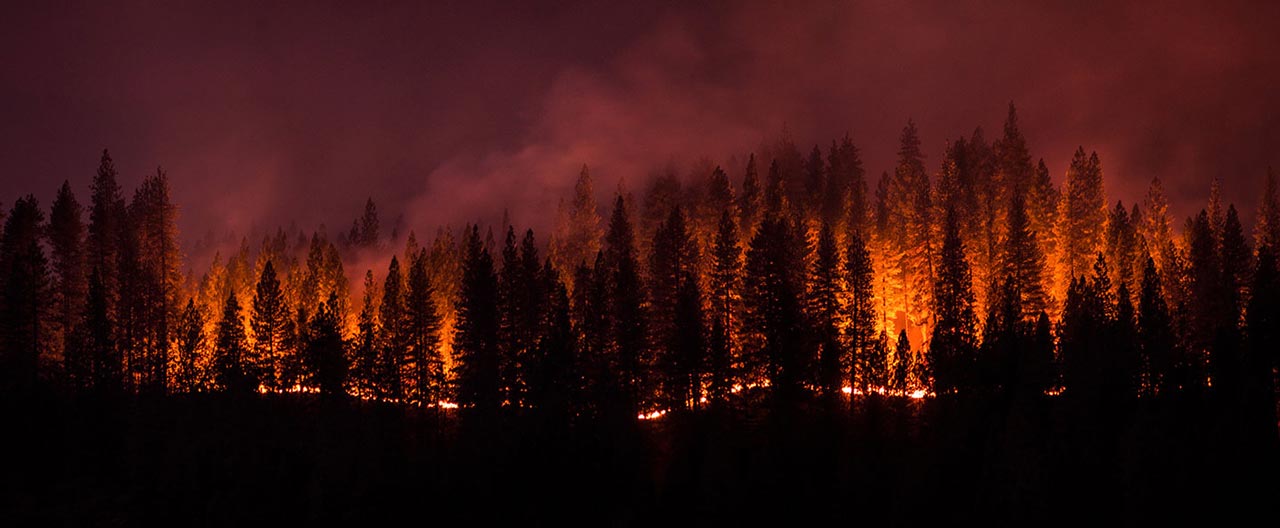
First and foremost, make sure you and your family stay safe. Everything else can be replaced. If requested by the authorities, immediately follow all evacuation orders, and know that if anything happens, Chubb will do what’s right for you—whether that’s finding you a place to stay during repairs or finding you a similar home in your school district.
If you have time to take action and the fires are far enough away that they are not threatening your safety, here are some things you can do to assist firefighters and minimize the damage to your home.
1. Listen to emergency officials.
If they say evacuate, leave your home immediately.
2. If you see a fire, report it.
You may be the first one to spot a “hot spot,” so call 911 immediately if you see a fire, even if it’s a small one.
3. Shut off the gas.
Turn off propane at the tank or natural gas at the meter, and turn off all pilot lights.
4. Check your vents.
Special fire prevention vents can help protect your home from wildfire damage by resisting flames and embers. Learn more.
5. Make your home easier to spot.
Turn on a light in each room to increase the visibility of your home in heavy smoke. Turn on exterior lights as well.
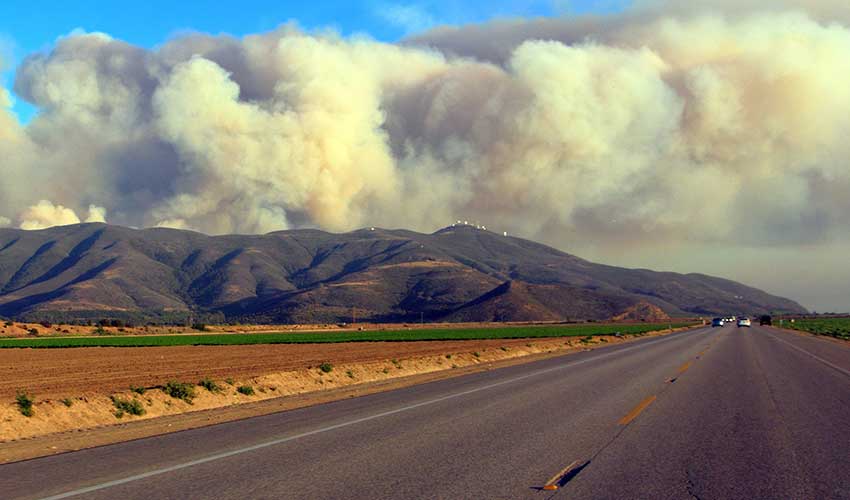
6. Take the “kindling” away.
Move furniture away from windows and doors. Remove lightweight or non-fire-resistant window treatments. Put combustible patio furniture, doormats, toys, and trash cans inside the house or garage. If you have time, rake dead leaves away from the home and from under wood decks and clear the roof of any pine needles.
7. Make it easy for firefighters.
If your home is gated, leave the gate propped open to allow fire fighters easy access to your property. Connect garden hoses to outside taps. Fill buckets with water and place them around the house. Put a ladder against a corner of your house, so firefighters have easy access to your roof.
8. Wet down your space.
Place lawn sprinklers on the roof and near above-ground fuel tanks. Wet down the roof and shrubs within 15 feet of your home, but don’t leave sprinklers on or water running, as it can affect the water pressure.
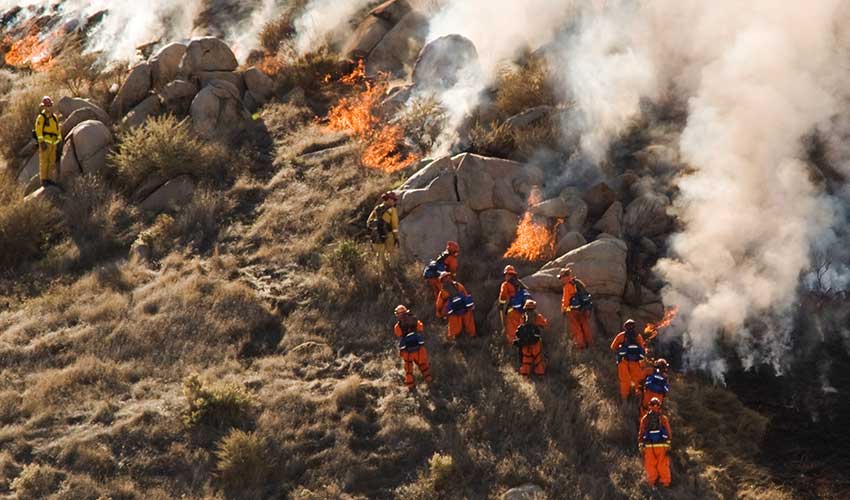
9. Check for embers.
Even the smallest ember can start a fire, so continually check your roof and attic for embers, smoke, or fire.
10. Locate your evacuation kits.
Make sure your evacuation kits are ready to go – for yourself, your family and your pets – in case you need to leave.
Insights and expertise
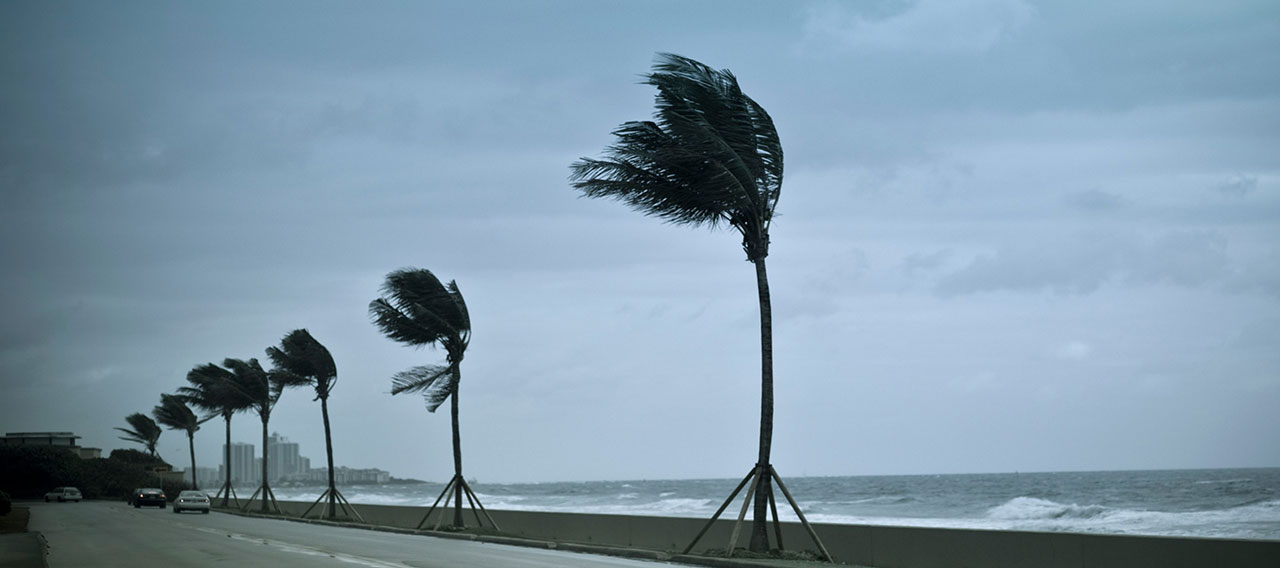
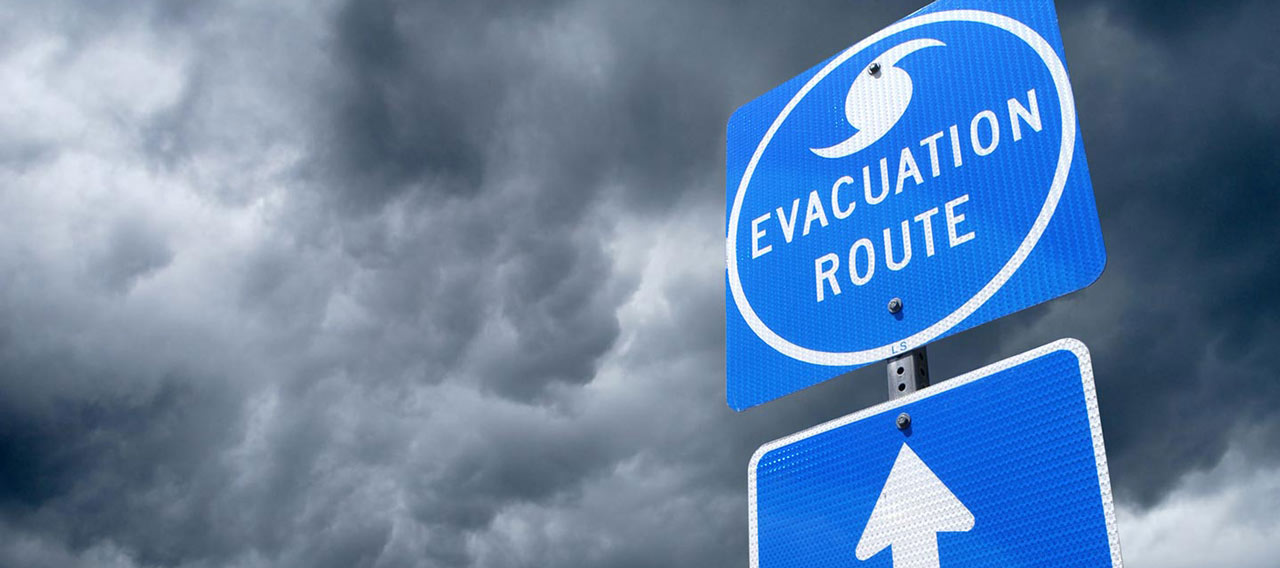
13 essential hurricane preparedness tips
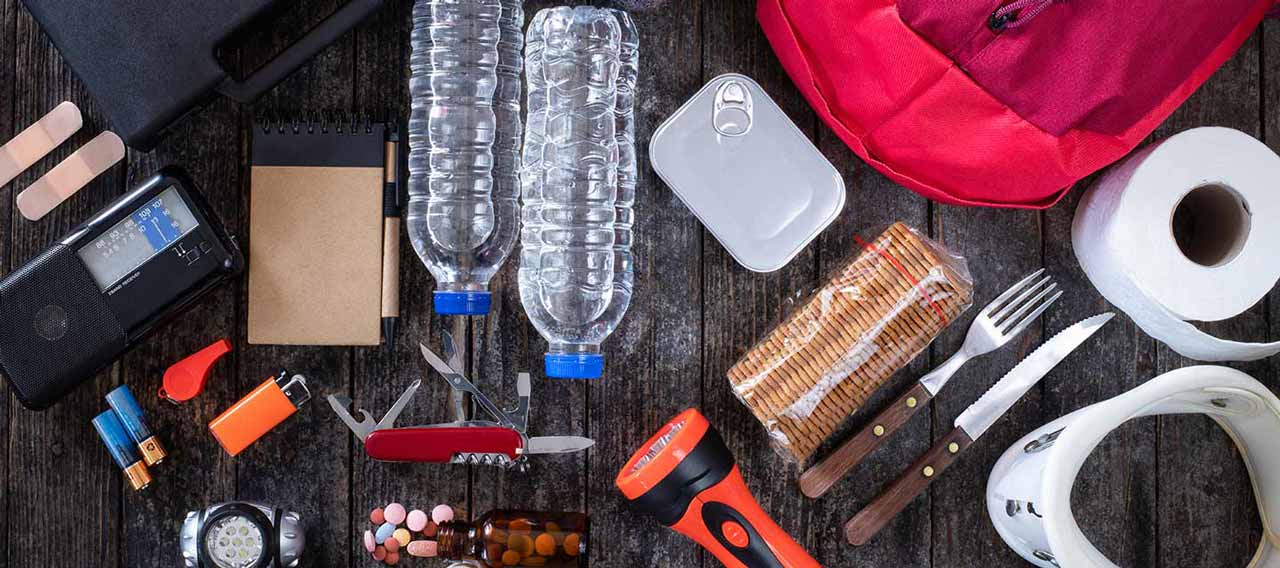
Emergency evacuation packing list

How to keep your home cool in the summer
7 tips for creating your family disaster plan
This document is advisory in nature and is offered as a resource to be used together with your professional insurance advisors in maintaining a loss prevention program. It is an overview only, and is not intended as a substitute for consultation with your insurance broker, or for legal, engineering or other professional advice.
Chubb is the marketing name used to refer to subsidiaries of Chubb Limited providing insurance and related services. For a list of these subsidiaries, please visit our website at www.chubb.com. Insurance provided by ACE American Insurance Company and its U.S. based Chubb underwriting company affiliates. All products may not be available in all states. This communication contains product summaries only. Coverage is subject to the language of the policies as actually issued. Surplus lines insurance sold only through licensed surplus lines producers. Chubb, 202 Hall's Mill Road, Whitehouse Station, NJ 08889-1600.