
- Individuals & Families
- Businesses
- Agents & Brokers
- Embedded Insurance

Protect your ring with Chubb Valuable Articles insurance and get the peace of mind and financial security you need.

Because pets are family, Chubb now offers pet insurance with top-rated coverage from Healthy Paws.

Chubb offers the insurance protection you need for travel’s many “what ifs”.

Recognized for Outstanding Customer Satisfaction among Small Business Insurers and ranked #1 in Digital Channels.

Stay ahead of cyber threats with our free Cyber Claims Landscape Report.

Learn more about our dedicated learning paths, Online Learning Center, and more.



Many digital-savvy consumers look for it as a core or add-on option.
Many digital-savvy consumers look for it as a core or add-on option.
Many digital-savvy consumers look for it as a core or add-on option.

Chubb’s in-house technology makes it easy to integrate what we do into your customer experience.
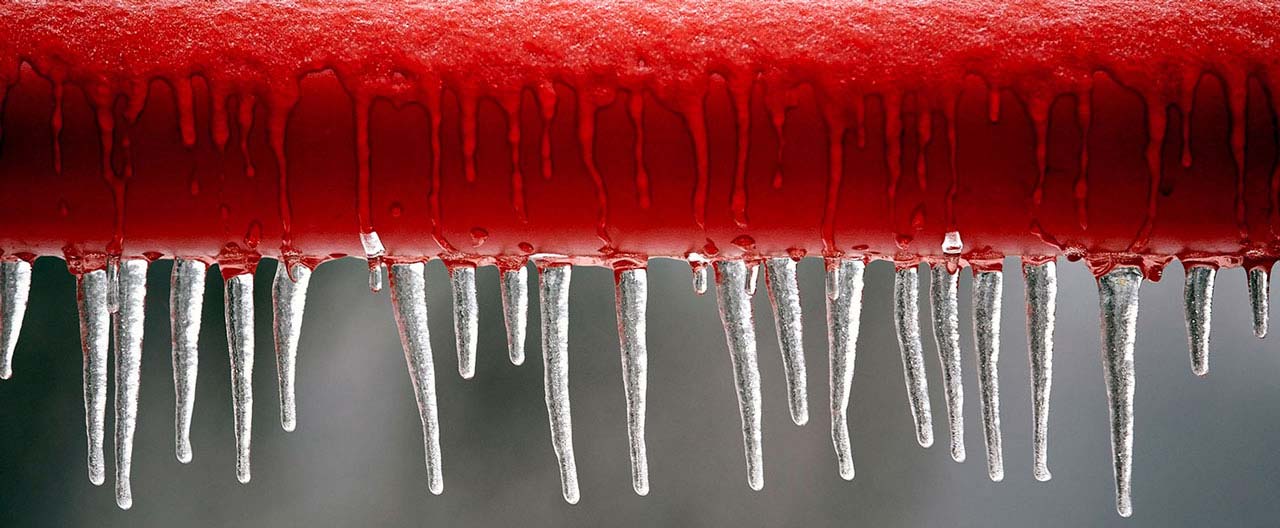
When the temperature falls to 32ºF or below, you can prevent water damage from freezing pipes by taking a few simple steps.
- Keep the thermostat at 65º F or above, day and night. Make sure all inside doors are open, so warm air can easily circulate.
- Drain and shut off any water supply to the outside. Install frost-proof spigots or protect them from freezing with faucet insulators.
- Add insulation to outside walls that contain pipes. If you see moisture or mold, or your walls feel cold to the touch, consider reinsulating or using spray foam to add protection.
- Use snap-on insulation for pipes in unheated areas. You can also use heated plumbing tape or cable that automatically turns on when temperatures approach freezing.
- Install smart technology, such as low temperature sensors, “smart” thermostats, back-up generators, and water leak detection systems.
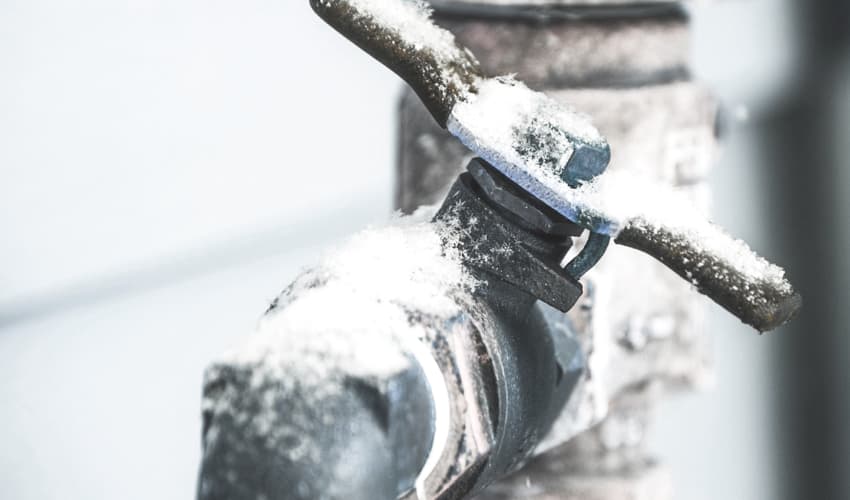
If you think your pipes are frozen:
- Keep the faucet open, with both cold and hot water running, to slowly unfreeze the pipes.
- Turn your thermostat up, to increase the warmth of the surrounding air.
- Contact a licensed plumber if you are not certain where the freeze is, because you may cause the pipe to burst if you’re not concentrating on the right area.
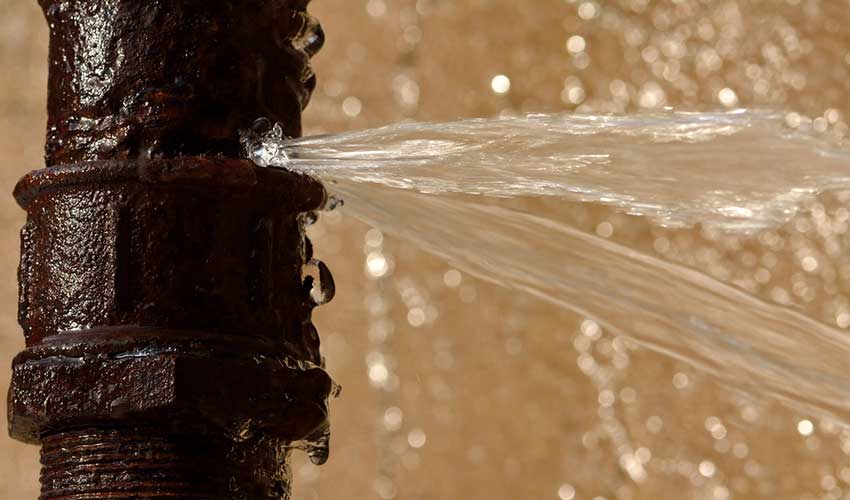
If a water pipe bursts:
- Turn off the water leading to the pipe, to prevent additional water from flowing and damaging your home.
- Contact a licensed plumber to fix the problem.
To learn more visit chubb.com/waterdefense
Insights and expertise
Emergency evacuation packing list

How to keep your home cool in the summer
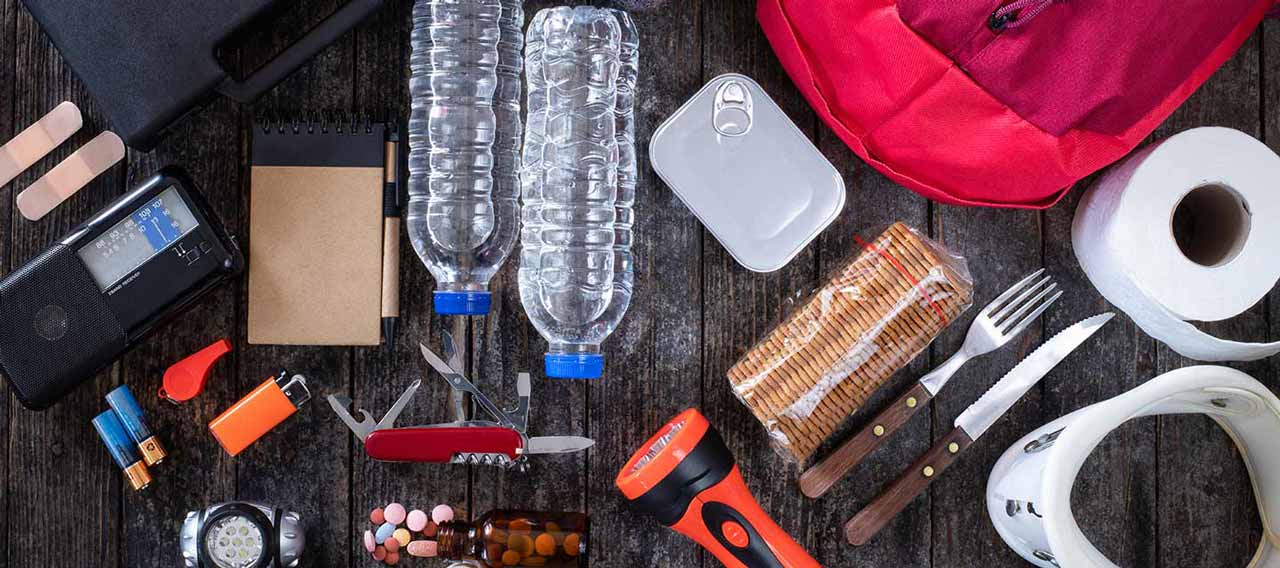
7 tips for creating your family disaster plan
5 reasons to recycle your electronics, instead of chucking them
This document is advisory in nature and is offered as a resource to be used together with your professional insurance advisors in maintaining a loss prevention program. It is an overview only, and is not intended as a substitute for consultation with your insurance broker, or for legal, engineering or other professional advice.
Chubb is the marketing name used to refer to subsidiaries of Chubb Limited providing insurance and related services. For a list of these subsidiaries, please visit our website at www.chubb.com. Insurance provided by ACE American Insurance Company and its U.S. based Chubb underwriting company affiliates. All products may not be available in all states. This communication contains product summaries only. Coverage is subject to the language of the policies as actually issued. Surplus lines insurance sold only through licensed surplus lines producers. Chubb, 202 Hall's Mill Road, Whitehouse Station, NJ 08889-1600.