
- Individuals & Families
- Businesses
- Agents & Brokers
- Embedded Insurance

Protect your ring with Chubb Valuable Articles insurance and get the peace of mind and financial security you need.

Because pets are family, Chubb now offers pet insurance with top-rated coverage from Healthy Paws.

Chubb offers the insurance protection you need for travel’s many “what ifs”.

Chubb protects small businesses at every stage – from newly formed start-ups to long-time anchors of the community.

Stay ahead of cyber threats with our free Cyber Claims Landscape Report.

Learn more about our dedicated learning paths, Online Learning Center, and more.



Many digital-savvy consumers look for it as a core or add-on option.
Many digital-savvy consumers look for it as a core or add-on option.
Many digital-savvy consumers look for it as a core or add-on option.

Chubb’s in-house technology makes it easy to integrate what we do into your customer experience.
Every year, approximately 15.3 million households move from one place to another, with 82% moving within the same state, 13.4% moving to a different state, and 0.36% moving from the U.S. to another country.*
With so much to think about prior to and during a move, it’s no wonder we forget a few things in the process. If you’re contemplating a move in the near future, here are a few things you may want to put on your moving checklist – because these are the things we often forget in the moving minutiae.
1. Moving company non-allowables
If you’re one of the 650,000 each year who hire a professional moving company to help with your move*, make sure you check to see what they won’t move for you. Those items may include things like aerosol cans, paints, pesticides, fertilizer, cleaning products, propane tanks, and fire extinguishers.
2. Special considerations for transporting fragile or valuable items
If you have fine art, sculpture, wine, or other valuable and fragile items, we suggest using a transportation company that specializes in moving those items. Chubb clients have access to our Preferred Service Provider Network of vendors, all of whom are carefully screened for quality and expertise. Also, our in-house specialists can provide advice on how to best package and transport your valuables during a move, as well as how to ensure that they are safe in your new home.
3. The stuff in your safety deposit box
You may keep important papers or valuable items such as jewelry in a safety deposit box. Don’t forget to retrieve those items and carefully consider how you’ll transport them safely to their new destination. Like other valuables in your home, fine jewelry deserves special treatment when moving from home-to-home or bank-to-bank.

4. Making a complete inventory of your possessions
Before you put anything into a box or allow your moving company to start packing, make sure you have a complete inventory of your possessions, especially those that are most valuable. If you then label all of your boxes and packages with specific contents, you’ll know exactly what you have and where it is at all times. That way, if you are missing something after the move, you’ll either be able to locate it easily or you’ll have the documentation you need to make a claim.
5. Measuring your current furniture and new home
If you’re taking your furniture with you to your new home, you may want to take measurements of both the furniture and your new space, just to make sure the furniture will fit through the doors and will work well in your new home. After all, you wouldn’t want to haul your favorite sectional across the country, state (or even across the street) just to find out it is too large for your new living room.
6. Transporting plants across state lines
If your plants are making a move across state lines with you, contact your moving company or the states you’ll be crossing for specific rules and regulations. Not all states welcome all types of plants, as some are considered invasive and therefore not wanted.

7. How to take care of pets when moving long distances
If you’re just moving an hour or two away, your pets should be fine going from place to place. However, if you’re moving hundreds of miles, you may want to talk to your veterinarian for ideas on how to make your furry friends comfortable before, during, and after the move. After all, most pets are used to a particular location and routine, and may not take well to flying in a plane or driving across country for days.
*Source: American Moving & Storage Association, www.moving.org
Insights and expertise

Vacant but protected: Tips for safeguarding vacant homes
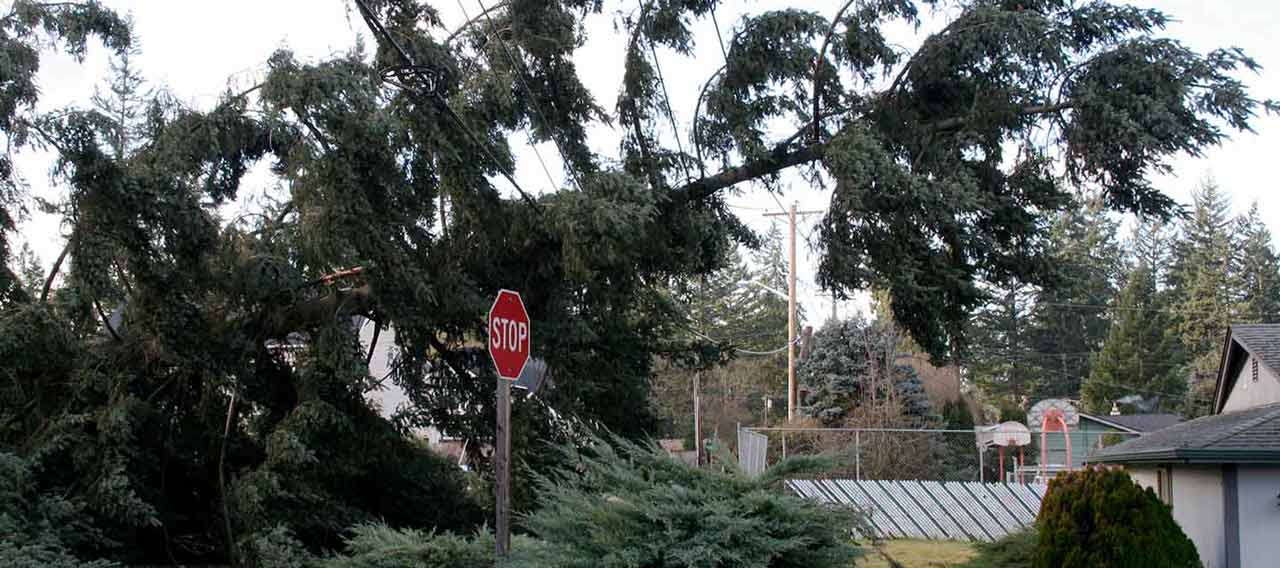
Protect your home from wind and wind-driven rain

Protecting your family and home from a flood

Top 6 ways to make your home more energy efficient
This document is advisory in nature and is offered as a resource to be used together with your professional insurance advisors in maintaining a loss prevention program. It is an overview only, and is not intended as a substitute for consultation with your insurance broker, or for legal, engineering or other professional advice.
Chubb is the marketing name used to refer to subsidiaries of Chubb Limited providing insurance and related services. For a list of these subsidiaries, please visit our website at www.chubb.com. Insurance provided by ACE American Insurance Company and its U.S. based Chubb underwriting company affiliates. All products may not be available in all states. This communication contains product summaries only. Coverage is subject to the language of the policies as actually issued. Surplus lines insurance sold only through licensed surplus lines producers. Chubb, 202 Hall's Mill Road, Whitehouse Station, NJ 08889-1600.