
- Individuals & Families
- Businesses
- Agents & Brokers
- Embedded Insurance

Protect your ring with Chubb Valuable Articles insurance and get the peace of mind and financial security you need.

Because pets are family, Chubb now offers pet insurance with top-rated coverage from Healthy Paws.

Chubb offers the insurance protection you need for travel’s many “what ifs”.

Chubb protects small businesses at every stage – from newly formed start-ups to long-time anchors of the community.

Stay ahead of cyber threats with our free Cyber Claims Landscape Report.

Learn more about our dedicated learning paths, Online Learning Center, and more.



Many digital-savvy consumers look for it as a core or add-on option.
Many digital-savvy consumers look for it as a core or add-on option.
Many digital-savvy consumers look for it as a core or add-on option.

Chubb’s in-house technology makes it easy to integrate what we do into your customer experience.
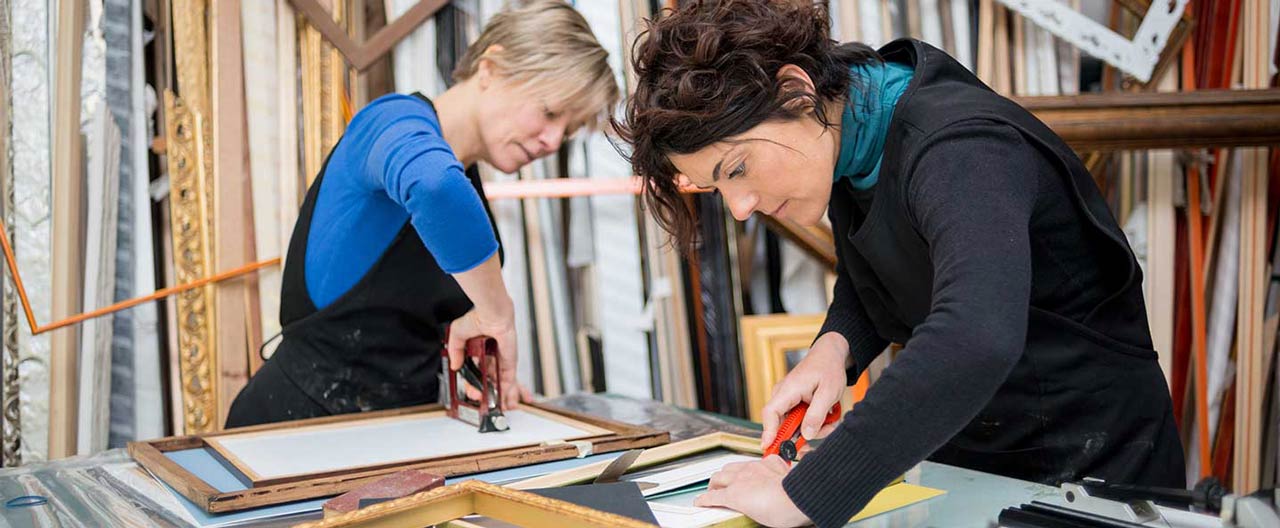
The next 30 to 40 years will see an unprecedented transfer of wealth, including collections passed from one generation to the next. While the younger generation may appreciate the art they’ve inherited, they may not know exactly how to keep its value intact for years to come. If you have inherited artwork, or foresee doing so in the future, here are a few steps you can take:
1. Get the right insurance.
While typical homeowner’s insurance will cover your home’s contents, it may not provide enough coverage to fully protect valuable artwork. Ask your insurance broker about insurers who specialize in fine art and developing strategies for insuring artwork. For example, a collection of five Old Master paintings that will be split between New York and Amsterdam may demand different coverage considerations than a dozen works by emerging artists that will stay in one home.
2. Keep all the paperwork.
A piece’s provenance, the history of its ownership, is central to its value and can help to establish clear title should legal challenges arise. That’s why it is essential that you keep all documentation related to the collection and ownership history of your newly acquired artwork, including original invoices, appraisals, fact sheets that describe the artist or the process of creating the piece, conservation treatment reports, and certificates of authenticity.
3. Create an inventory.
Whether you are beginning an art collection or adding to one, you will need an organized system to track new items and their location. You can use a simple spreadsheet, cloud-based platform, or something in between. If you have many pieces, you may want to hire a professional collections manager or registrar to help. Keeping track of each item, its value, and location will also help expedite a claim in the event of a loss.
4. Update the appraisals.
Some market segments, like Post-War and Contemporary art, can change value relatively quickly. If your new pieces have appraisals, check to see when they were done and their purpose – and potentially get new ones. If artwork was passed down, a fair market value estate appraisal may have been done. However, insurance appraisals use replacement value, which is typically the highest value of an item.
5. Protect and preserve your artwork.
If you’re inheriting art, you may want to engage with experts who are familiar with the type of artwork in your collection. For example, if you inherit an outdoor sculpture, you’ll want an objects conservator to help maintain it properly. Since transit and installation are among the biggest culprits of art loss, make sure you choose a professional shipper and installer with expertise in handling art to avoid damage. You’ll also want to preserve your artwork by putting it in a controlled climate, away from direct sunlight and air vents, and install a centrally monitored fire detection system and security system, if you don’t already have one. These tips can help you protect the value of your newly acquired art, so you can enjoy it for years to come.
Insights and expertise

10 things to consider when selecting, installing, and maintaining outdoor sculpture
6 tips for selecting the right art storage facility

Protecting your art and other valuables from wildfire damage

How to preserve different types of art
This document is advisory in nature and is offered as a resource to be used together with your professional insurance advisors in maintaining a loss prevention program. It is an overview only, and is not intended as a substitute for consultation with your insurance broker, or for legal, engineering or other professional advice.
Chubb is the marketing name used to refer to subsidiaries of Chubb Limited providing insurance and related services. For a list of these subsidiaries, please visit our website at www.chubb.com. Insurance provided by ACE American Insurance Company and its U.S. based Chubb underwriting company affiliates. All products may not be available in all states. This communication contains product summaries only. Coverage is subject to the language of the policies as actually issued. Surplus lines insurance sold only through licensed surplus lines producers. Chubb, 202 Hall's Mill Road, Whitehouse Station, NJ 08889-1600.