
- Individuals & Families
- Businesses
- Agents & Brokers
- Embedded Insurance

Protect your ring with Chubb Valuable Articles insurance and get the peace of mind and financial security you need.

Because pets are family, Chubb now offers pet insurance with top-rated coverage from Healthy Paws.

Chubb offers the insurance protection you need for travel’s many “what ifs”.

Chubb protects small businesses at every stage – from newly formed start-ups to long-time anchors of the community.

Stay ahead of cyber threats with our free Cyber Claims Landscape Report.

Learn more about our dedicated learning paths, Online Learning Center, and more.



Many digital-savvy consumers look for it as a core or add-on option.
Many digital-savvy consumers look for it as a core or add-on option.
Many digital-savvy consumers look for it as a core or add-on option.

Chubb’s in-house technology makes it easy to integrate what we do into your customer experience.
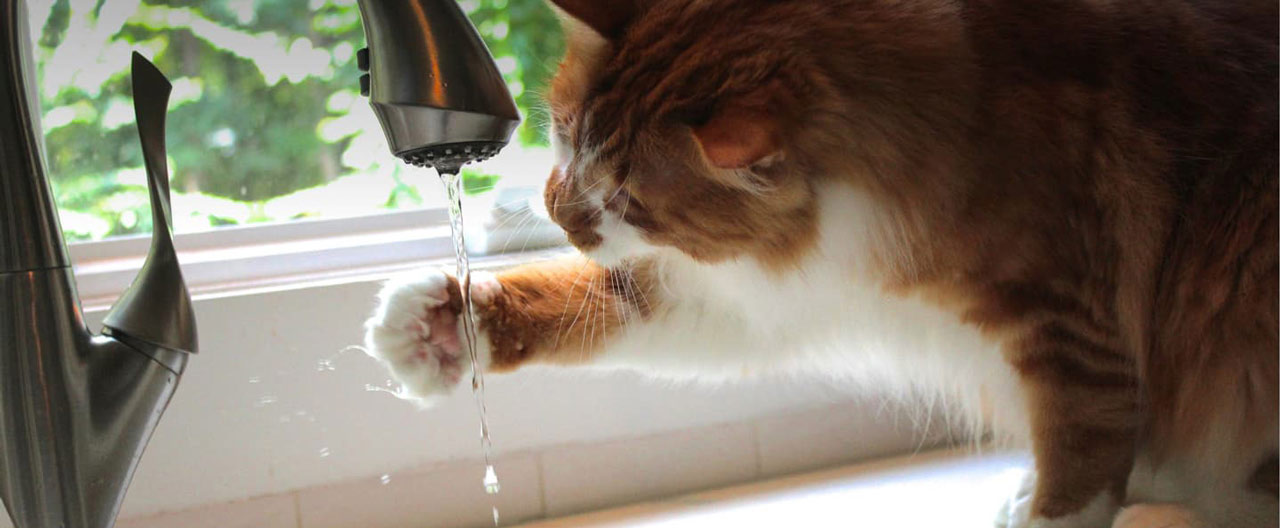
Internal water damage accounts for 45% of all interior property damage, happening more often than fire or burglary. Yet, less than 20% of homeowners say they have implemented even one water risk mitigation best practice, according to a recent survey by Chubb.
While the survey showed that roughly nine in 10 homeowners say they are confident in their ability to handle maintenance issues and check for possible damage in their own homes – including plumbing and equipment issues that can cause internal water damage – confidence doesn’t necessarily mean action when it comes to protecting their most important asset.
It’s time to learn more about water damage and maintenance
There are several hurdles that prevent homeowners from implementing necessary actions to prevent water damage, including the investment of time and money. One of the most important barriers, however, is a lack of knowledge around which products and tools to purchase. Learn more about water damage in your home—where it can happen, and how you can prevent it—with these five questions.
1. Have you installed a water leak detection device in your home?
If you have, you’re a step ahead of most – and well on your way to maintaining a dry, comfortable home. Surprisingly, only 9% of those surveyed have installed a water leak detection device, which can identify leaks early on and either notify you or shut off the water supply to prevent major damage.
2. How much does a typical water leak claim cost?
Probably more than you think. While half of all homeowners believe that damage from a plumbing or appliance water leak will cost less than $5,000, Chubb’s average cost for water leak claims is in fact more than $55,000 and the average water back-up loss for homeowners is almost $45,000.
3. Have you ever had your appliances inspected?
If you have, that’s great. The surest way to prevent a water leak is to keep your appliances in good order and inspect them periodically to make sure there are no issues. However, only 19% of homeowners periodically check their appliance hoses, 19% check home heating systems, and 16% have maintenance done on their water heater.
4. Which appliances are most likely to leak?
Plumbing supply systems are the number one cause of non-weather-related losses. That means your kitchen, bathrooms, and laundry room, and the pipes that connect them to the water supply, definitely warrant a little extra attention.
5. Are you planning to do renovations on your home?
If you are, you’re not alone. A full 67% of homeowners said they would definitely or probably undergo a renovation or improvement project over the next 12 months. This is an excellent time to install home protection devices, such as water shut-off systems.
For more information on the survey or to download the full results, visit Chubb Homeowner’s Risk Survey.
Insights and expertise
Emergency evacuation packing list

How to keep your home cool in the summer

7 tips for creating your family disaster plan

5 reasons to recycle your electronics, instead of chucking them
This document is advisory in nature and is offered as a resource to be used together with your professional insurance advisors in maintaining a loss prevention program. It is an overview only, and is not intended as a substitute for consultation with your insurance broker, or for legal, engineering or other professional advice.
Chubb is the marketing name used to refer to subsidiaries of Chubb Limited providing insurance and related services. For a list of these subsidiaries, please visit our website at www.chubb.com. Insurance provided by ACE American Insurance Company and its U.S. based Chubb underwriting company affiliates. All products may not be available in all states. This communication contains product summaries only. Coverage is subject to the language of the policies as actually issued. Surplus lines insurance sold only through licensed surplus lines producers. Chubb, 202 Hall's Mill Road, Whitehouse Station, NJ 08889-1600.