
- Individuals & Families
- Businesses
- Brokers
With winter on its way out, you may be ready for some spring cleaning.

Make sure you protect your classic cars from damage or additional wear and tear.

Keep your important papers and small valuables away from burglars, fire or natural disaster.

For over a hundred years, we’ve offered unparalleled stability and protection for small boats, yachts, luxury mega-yachts, and more.

Here are some things you can do to assist firefighters and minimize the damage to your home.

At their worst, disputes between professional service firms and their clients can lead to costly lawsuits.
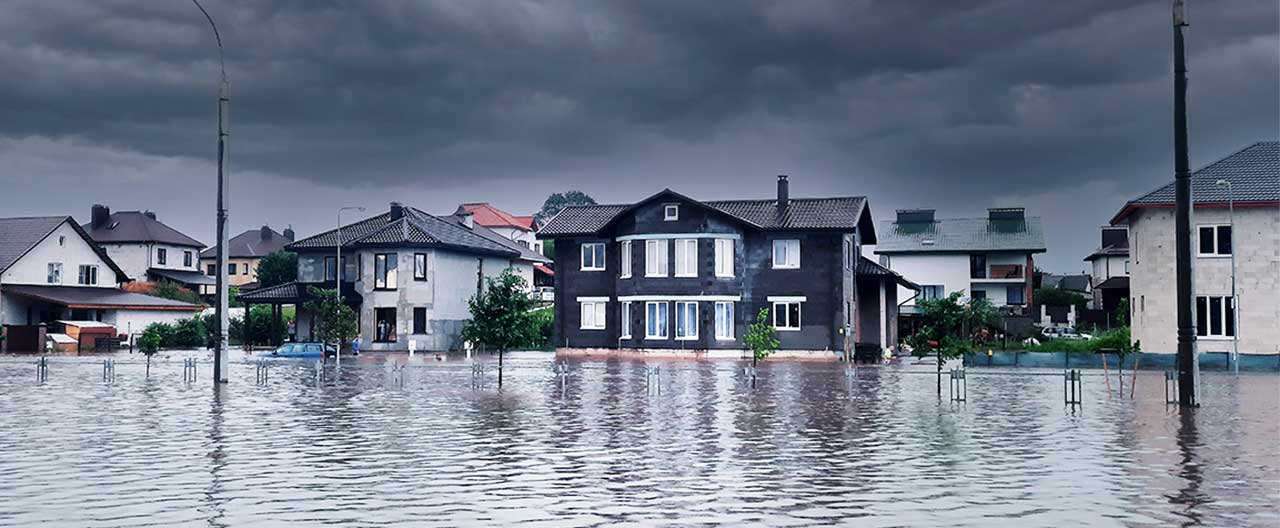
Residents in coastal communities receive a lot of information about how to be prepared for a storm, but what about after the storm? Hurricanes can cause all kinds of damage to your home and the surrounding area. Here are some safety tips to consider once a hurricane passes.
Are you safe?
Check on your family, loved ones, neighbours and pets to make sure everyone is safe. If anyone needs assistance, contact your local authorities. If the cell towers are down, try a text. Often texting is still available even when phone calls cannot be made. Once you have confirmed that your loved ones are safe and you have no immediate needs, it is a good idea to turn your cell phone off to conserve power. Turn you phones back on, as needed, to get updates a few times per day instead of using it for long periods of time.
Is it safe to return home?
If you have evacuated, return to your home after you have checked the local news and the authorities have given the ok to do so. If you stayed at home, assess the damage in your area and your home. If possible, walk around your home to check for any structure damage as well as the trees around the property.
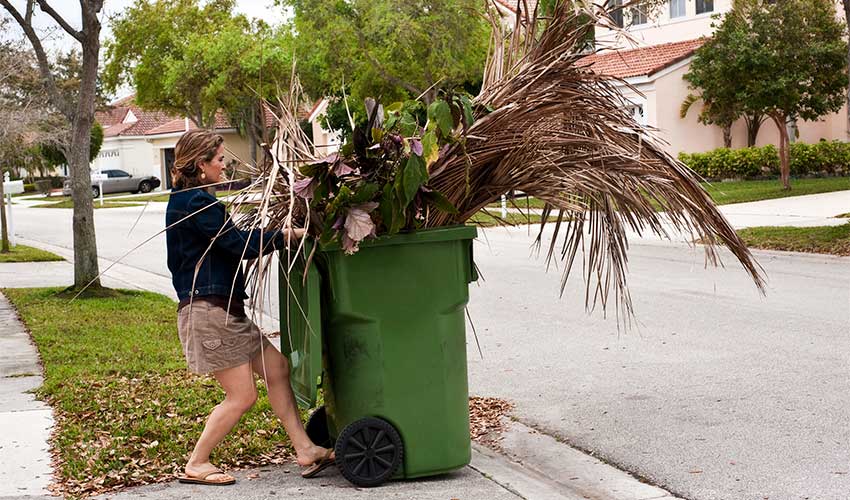
Yard cleanup can be overwhelming. Determine if this is something you can do or if a service is needed. Start with the accessibility to your home’s walkways and driveway. Check to see how the yard waste will be picked up, your local authorities may have a schedule available with pick up dates and guidelines. Sometimes putting all the yard waste at the curbside is enough but be sure to know if you need to bag any leaves, branches, and debris.
Be sure to stay hydrated and take time to rest. Clean up after a storm can be exhausting. When it is safe to do so, remove the shutters that you may have installed on your home. Often, this will be part of an agreement with a shutter installation company. This is also a good opportunity to take inventory and make sure no repairs are needed on any of the shutters.
Is your power out?
Have a plan in place ahead of time to stay safe during power outages. Most power companies have mapping systems online where you can report power outages, check for updates, and often get estimated timeframes as when the power is expected to be restored. If you do not have power, plan to consume perishable foods first. You can conserve the cold temperature in the refrigerator by limiting how often you open it. Make a list of things you need out of the refrigerator at a time before you open it, this will help you with how long and how often the refrigerator is opened.
If you have a permanently installed generator, it may have an automatic switch, or you may need to access the transfer switch to turn it on. Or you may have a portable generator, consider what needs power, make a list of what will be to be plugged in. Be sure to use the generator on the outside of your home, never run a generator indoors.
Are the roads safe?
Before you get on the road, be sure to check with any local news to make sure is safe to traverse outside of your community. Make sure the roads are accessible. Do not travel on flooded roads. Look for downed power lines, never approach downed power lines.
Insights and expertise
Protecting your pets during hurricane season
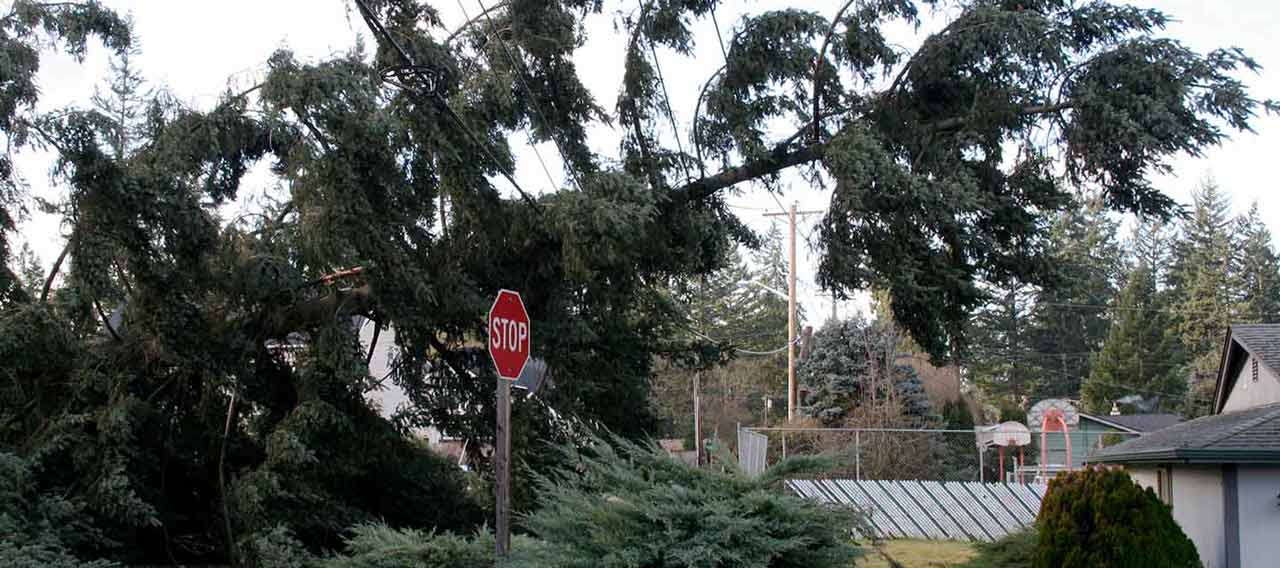
Protect your home from wind and wind-driven rain
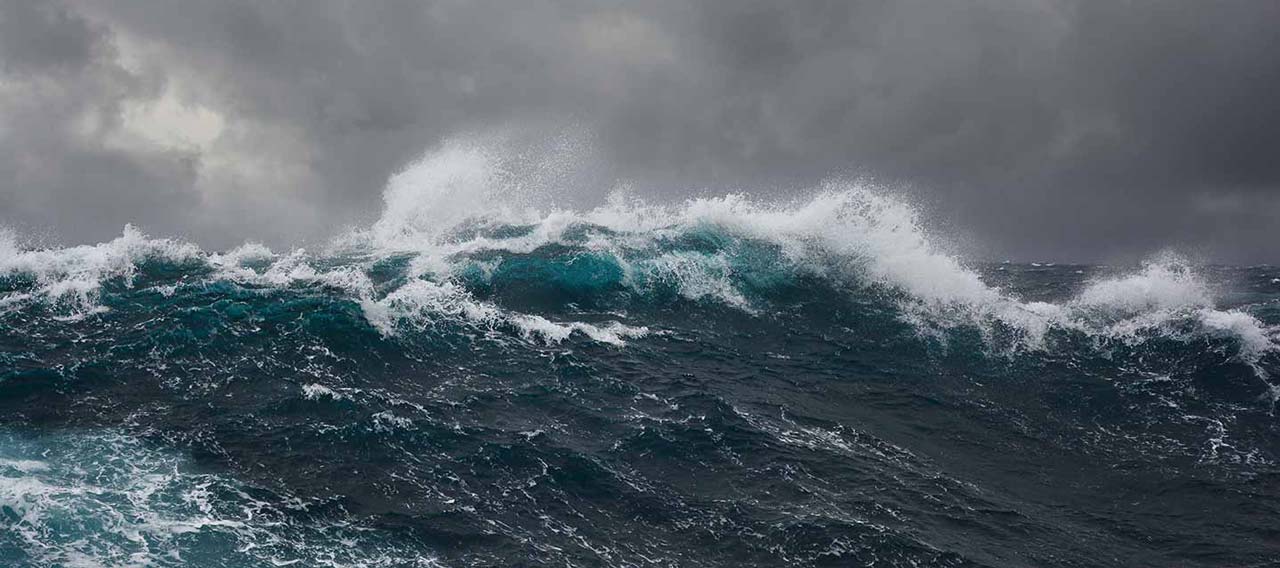
How to stay safe during a hurricane
This document is advisory in nature and is offered as a resource to be used together with your professional insurance advisors in maintaining a loss prevention program. It is an overview only, and is not intended as a substitute for consultation with your insurance broker, or for legal, engineering or other professional advice.
Chubb is the marketing name used to refer to subsidiaries of Chubb Limited providing insurance and related services. For a list of these subsidiaries, please visit our website at www.chubb.com. Insurance provided by Chubb Insurance Company of Canada or Chubb Life Insurance Company of Canada (collectively, “Chubb Canada”). All products may not be available in all provinces or territories. This communication contains product summaries only. Coverage is subject to the language of the policies as actually issued.