
- Individuals & Families
- Businesses
- Brokers

With winter on its way out, you may be ready for some spring cleaning.

Make sure you protect your classic cars from damage or additional wear and tear.

Keep your important papers and small valuables away from burglars, fire or natural disaster.

For over a hundred years, we’ve offered unparalleled stability and protection for small boats, yachts, luxury mega-yachts, and more.

Here are some things you can do to assist firefighters and minimize the damage to your home.

At their worst, disputes between professional service firms and their clients can lead to costly lawsuits.
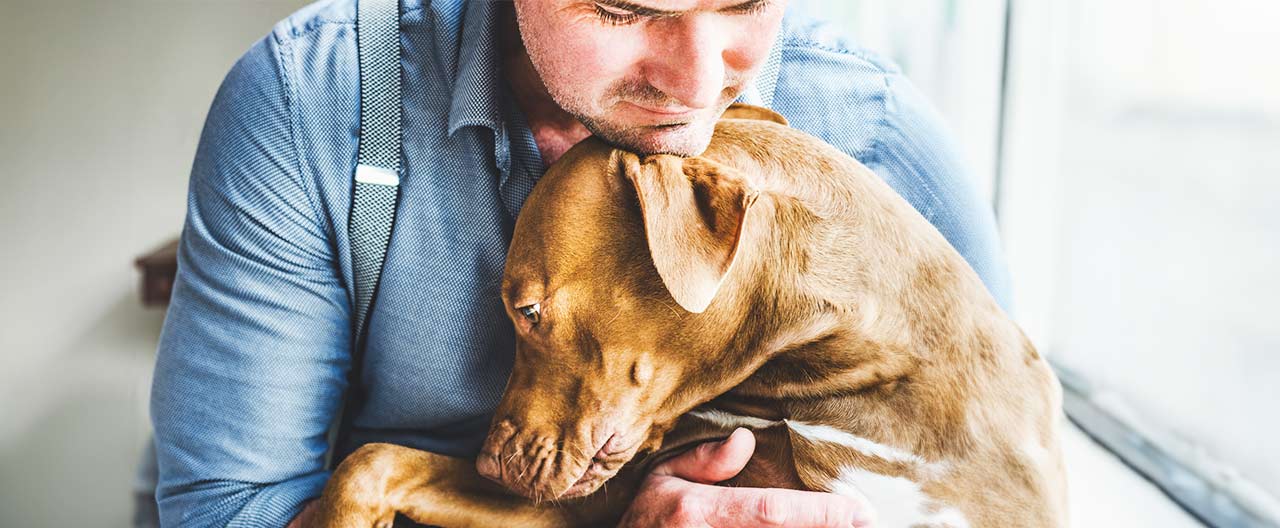
The frequency and severity of heavy storm have increased in recent years — and this trend is expected to continue. Given this growing risk, it’s critical for homeowners in heavy storm-prone regions to prepare for the worst to protect their families and property. In addition, households with pets or service animals should consider making specific plans to protect their animals.
Key steps to protect your pets
Advanced planning on how to evacuate and/or care for your animals during a heavy storm can help avoid potential disaster from a difficult event. The right preparation can help everyone stay calm — and provide comfort to one another. Here are some key steps to consider:
- Make a pet-friendly evacuation plan — Identify hotels, motels, short-term rentals, and emergency shelters that will accommodate both you and your pets. Keep in mind that some shelters may only allow service animals. In addition, identify veterinarians and boarding facilities as a back-up for sheltering your pet or animal.
- Plan transportation — Ensure you have access to a vehicle that can transport everyone comfortably and safely. If you’re hiring a transportation service or plan to use public transportation, make sure that all your pets can travel with you.
- Update identification tags and microchips — Before the worst happens, make sure your pets’ tags and microchips have your current contact information, especially your mobile number. Consider getting your pets microchipped if you haven’t done so already.
- Make sure your pets’ vaccinations are current — Some shelters, kennels, and other facilities may require vaccination records. Therefore, in addition to taking your pets to the veterinarian for needed boosters, be sure to get an updated printed copy of vaccination records. Keep the records in a waterproof pouch and an electronic copy on your phone.
- Evacuate early — When facing a potential threat, evacuate as soon as possible — even before a mandatory evacuation order is issued. Travelling and sheltering with larger pets can be more challenging, so the earlier you evacuate, the better.

Preparing a pet emergency kit
In advance of heavy storm — and to prepare for any disaster — prepare a pet emergency kit that is ready to grab and go. For each pet, your kit should likely include:
- Food in watertight containers and water — enough for at least three days
- Bowls and a can opener, if needed
- Leash, collar, and ID tags
- Medications
- Pet first aid kit
- Bedding or blanket
- Crate or carrier
- Cleaning supplies and waste bags; cat litter for cats
- Photo of you and your pets — in case you’re separated
Review and replenish your pet emergency kit every six months to ensure food and medications aren’t expired.
Insights and expertise

Grill safety 101: Essential tips for a safe BBQ season

Winter weather, frozen pipes, and smart protection: A conversation about water leak detection systems

Why Excess Liability coverage is important
This document is advisory in nature and is offered as a resource to be used together with your professional insurance advisors in maintaining a loss prevention program. It is an overview only, and is not intended as a substitute for consultation with your insurance broker, or for legal, engineering or other professional advice.
Chubb is the marketing name used to refer to subsidiaries of Chubb Limited providing insurance and related services. For a list of these subsidiaries, please visit our website at www.chubb.com. Insurance provided by Chubb Insurance Company of Canada or Chubb Life Insurance Company of Canada (collectively, “Chubb Canada”). All products may not be available in all provinces or territories. This communication contains product summaries only. Coverage is subject to the language of the policies as actually issued.