
- Individuals & Families
- Businesses
- Brokers

With winter on its way out, you may be ready for some spring cleaning.
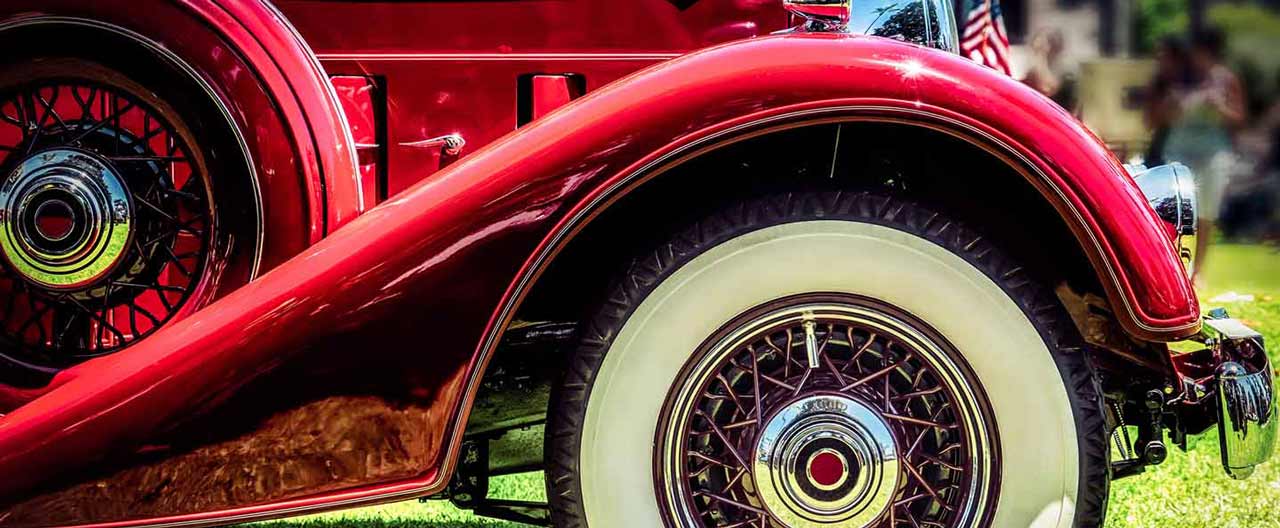
Make sure you protect your classic cars from damage or additional wear and tear.

Keep your important papers and small valuables away from burglars, fire or natural disaster.
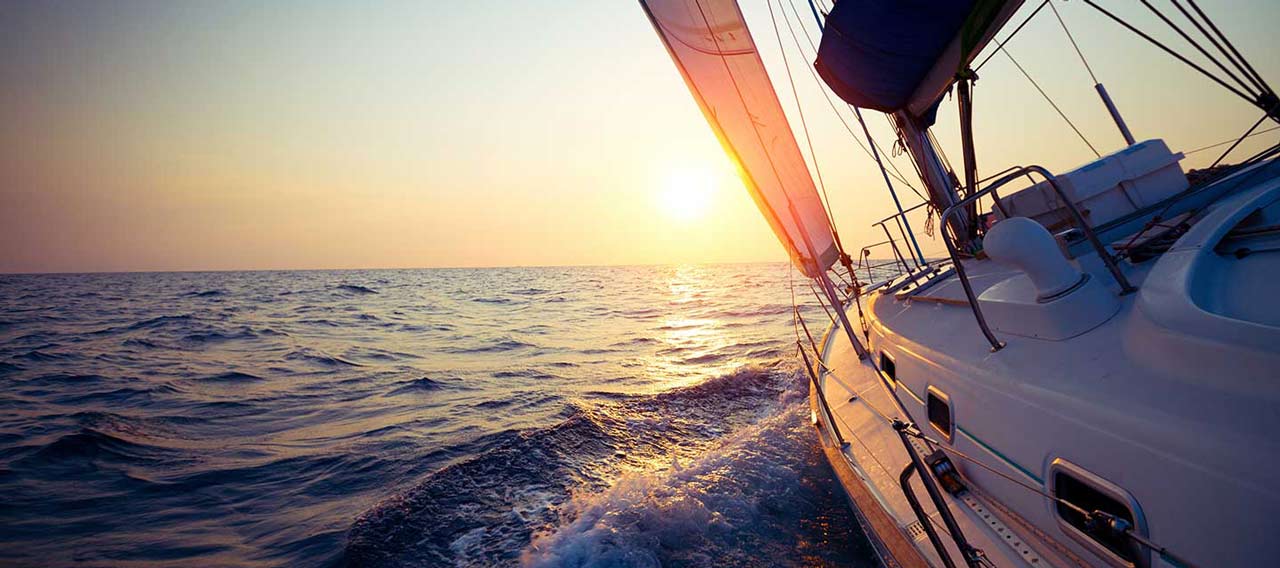
For over a hundred years, we’ve offered unparalleled stability and protection for small boats, yachts, luxury mega-yachts, and more.

Here are some things you can do to assist firefighters and minimize the damage to your home.

At their worst, disputes between professional service firms and their clients can lead to costly lawsuits.

If you’re at home during a hurricane, the main thing you need to do is keep yourself, your family, and your pets safe. If you live in a mandatory evacuation zone and local officials tell you to leave your home, do so immediately and head to a safer area. If you are in an area where local officials encourage residents to evacuate, you should follow their recommendation and evacuate to a safer location. If you are not in an area where you are required or encouraged to evacuate, you could still be in danger from storm conditions if you don’t take precautions appropriate for the strength and trajectory of the storm. Below are some important tips to help stay safer while the storm affects your area.
Keep up to date on what’s going on outside.
- Listen to the radio or TV for emergency information and updates about the storm, where it’s going, and what to do.
Brave the storm by hunkering down.
- Close the storm shutters on your windows and bring outdoor furniture, toys, pots, or other objects inside.
- Seek shelter from high winds in a designated storm shelter or interior room of your home.
- Make sure your cell phone is charged and don’t use it except for serious emergencies.
- If you lose power, unplug or turn off all major appliances to reduce the chances of damage due to a power surge.
- If it looks like your home may be in the way of a flood, turn off your electricity at the main breaker.
- If you are trapped in your home by flooding, go to the highest level available — but not an enclosed attic because you could become trapped.
- Use battery-operated flashlights, not candles.
Protect yourself and your loved ones.
- Avoid going outside unless officials announce that the storm has officially passed. The “calm” part of a storm can be deceiving and can pass quickly, leaving you outside during intense and dangerous winds.
- Do not try to walk, swim, or drive through flood waters. It takes only six inches of fast-moving water to take you off your feet, and one foot of water to sweep away a vehicle.1
- If you need to evacuate, pack only necessary supplies, including masks, hand sanitizer, wipes, medications, and a two-day supply of food and water.
Insights and expertise
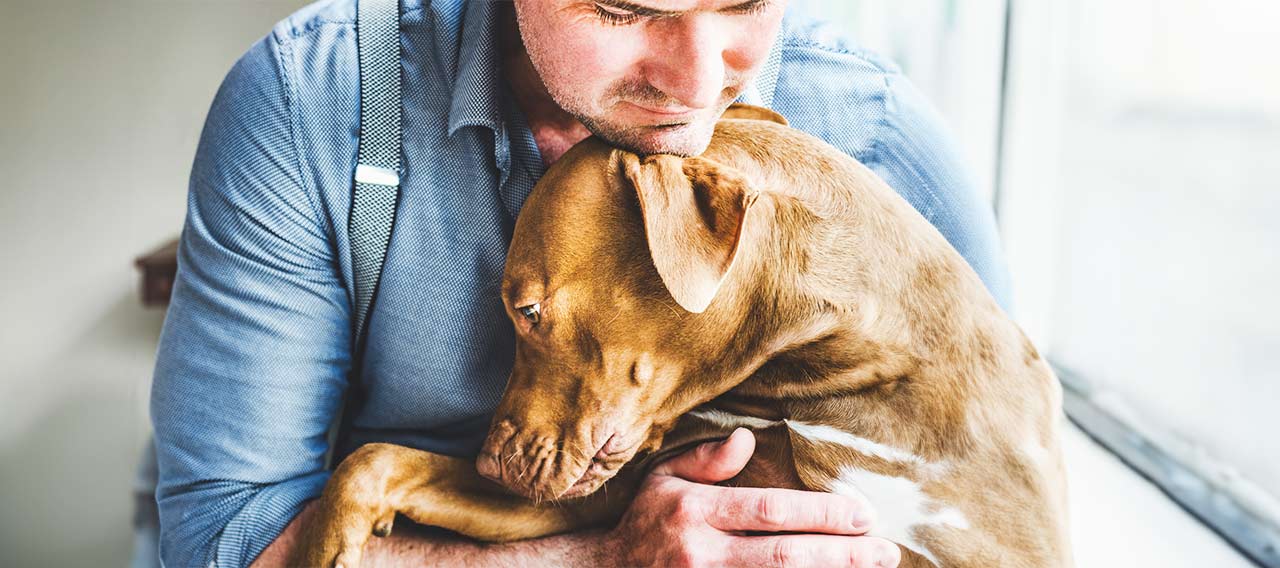
Protecting your pets during hurricane season
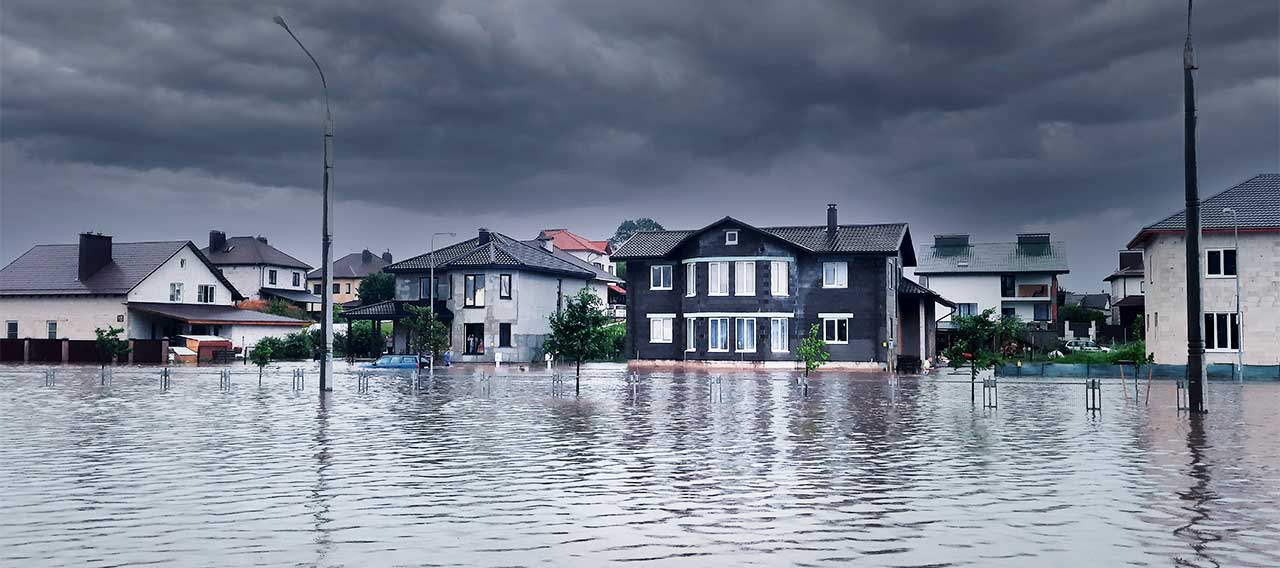
How to handle hurricane aftermath
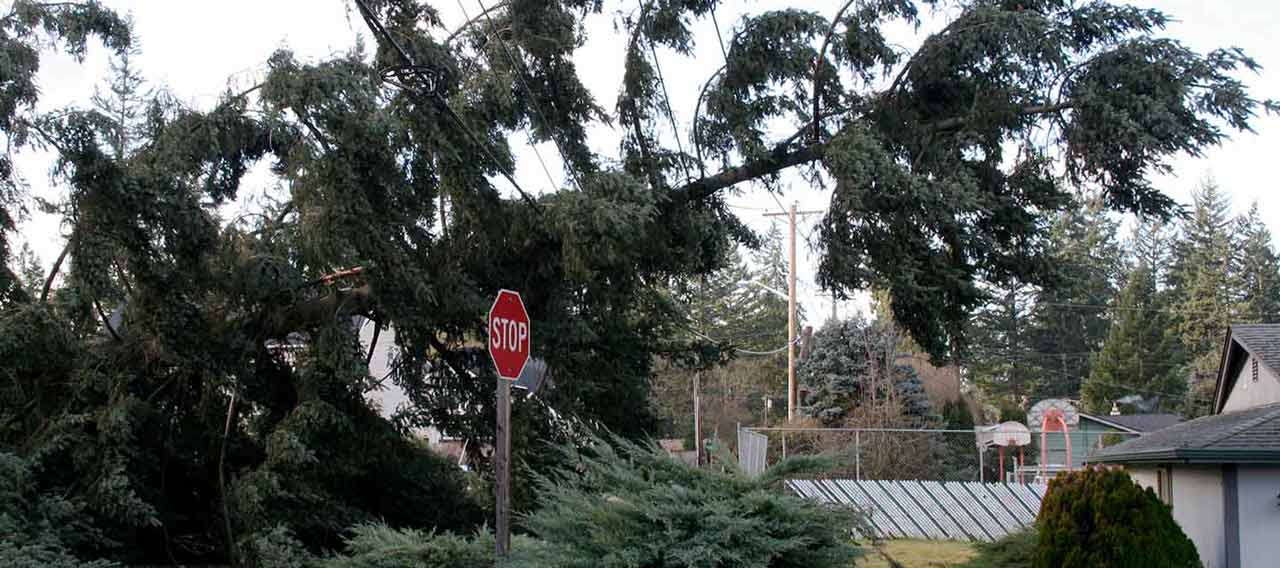
Protect your home from wind and wind-driven rain
This document is advisory in nature and is offered as a resource to be used together with your professional insurance advisors in maintaining a loss prevention program. It is an overview only, and is not intended as a substitute for consultation with your insurance broker, or for legal, engineering or other professional advice.
Chubb is the marketing name used to refer to subsidiaries of Chubb Limited providing insurance and related services. For a list of these subsidiaries, please visit our website at www.chubb.com. Insurance provided by Chubb Insurance Company of Canada or Chubb Life Insurance Company of Canada (collectively, “Chubb Canada”). All products may not be available in all provinces or territories. This communication contains product summaries only. Coverage is subject to the language of the policies as actually issued.