- Businesses
- Individuals & Families
- Partnerships
- Brokers

Chubb Climate+ spans major industries, with a goal of enabling climate change progress in a meaningful way.

MasterPackage insurance gives broad cover with a wide range of extensions to meet your business needs.

All Chubb policyholders are eligible for cyber services. Get the most value from your Chubb policy and schedule a consultation today.

In a complex world, Chubb’s support for multinationals and their brokers when choosing the right cover has never been more valuable.

Get big expertise, no matter your size and direction.

Protecting all that makes your house, your home.

As one of the world's largest providers of jewellery and fine art insurance, you can count on our unparalleled service and expertise, offering some of the broadest protection available.
As pioneers of using in-house appraisers to help clients establish the value of their property, and mitigate the risk of loss, our appraisal service is a key reason why owners of fine homes and high value possessions around the world choose Chubb

Private aircraft ownership represents a significant investment and unique risk profile, especially for Ultra High Net Worth individuals.

With a vessel as valuable as a luxury yacht, you need to make sure it’s well protected.

Build your business by providing the protection your customers need – it’s insurance for the new possible.

The seamless, secure, and scalable engine behind new possibilities for your company and customers.

Travel insurance made easy.
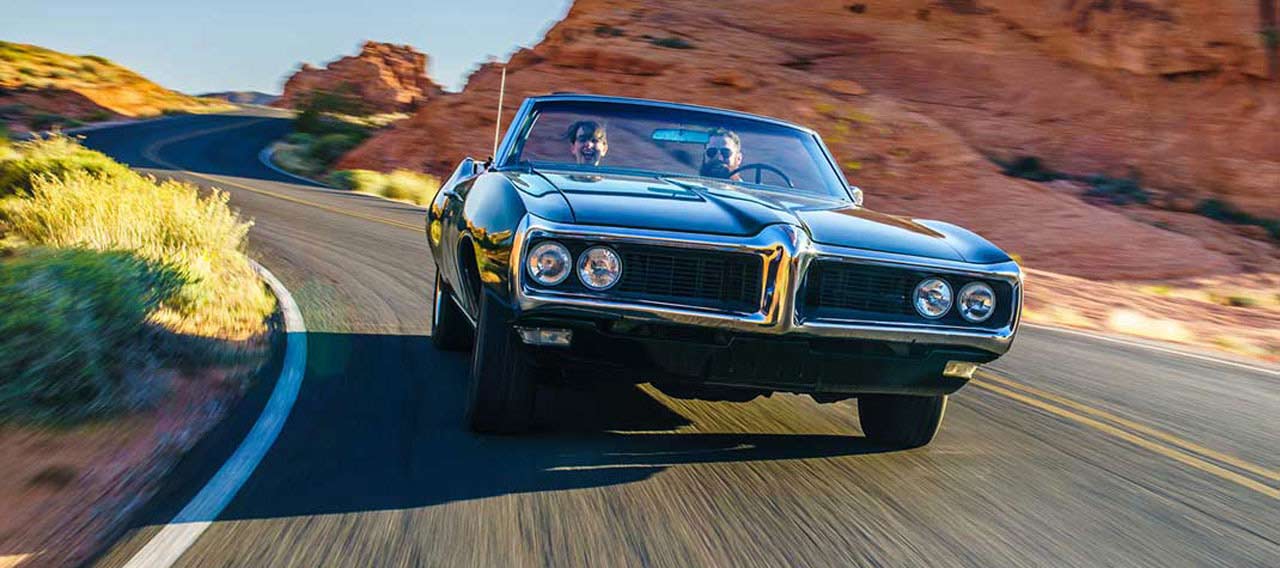
If you’ve got a classic car, you may well have considered participating in a rally. Classic car tour rallies can be heaps of fun. Motoring along routes specially selected by professional rally organisers (with mechanics available when you need them), luxury accommodation, and sublime cuisine, all in the company of fellow car enthusiasts just like you.
Whether you decide to take on a British or a European rally, you’ll need to prepare yourself and your car for the trip. Here’s what you need to know:
Get yourself ready
You’ll be expected to be self-sufficient, so make sure you understand what you’re getting yourself and your car into. That means you’ll need to know what to do when you get to the end of each day, how to get help if you need it, and what routes to follow. All this information should be readily available ahead of time, so you’ll just need to do a bit of homework to ensure you know it back-to-front.
Prepare your co-driver
Decide what you’ll do and what your co-driver will do. Will you each drive part of the time? Or will one of you drive the whole time and the other navigate? Ensuring both of you are happy with arrangements at the outset will make a big difference to your tour’s success.
Give your car a pre-rally check-up
You or your mechanic should be sure to check the following:
- Engine health – Does it leak, smoke, stumble, or cough? Try to address these symptoms, as they could be an indication of a serious problem.
- Brakes – If you haven’t looked at the brake pads, rotors, drums, lines, or cables for a while, now is the time. If any of these components look tired, it’s time to change them. Fresh brake fluid is always a good idea.
- Electrical system – No spark, no fun! Check the output of your alternator/generator. Make sure that all wiring is in good order and your battery is fresh.
- Tyres – Make sure the air pressure is where it should be and look for signs of dry rot.
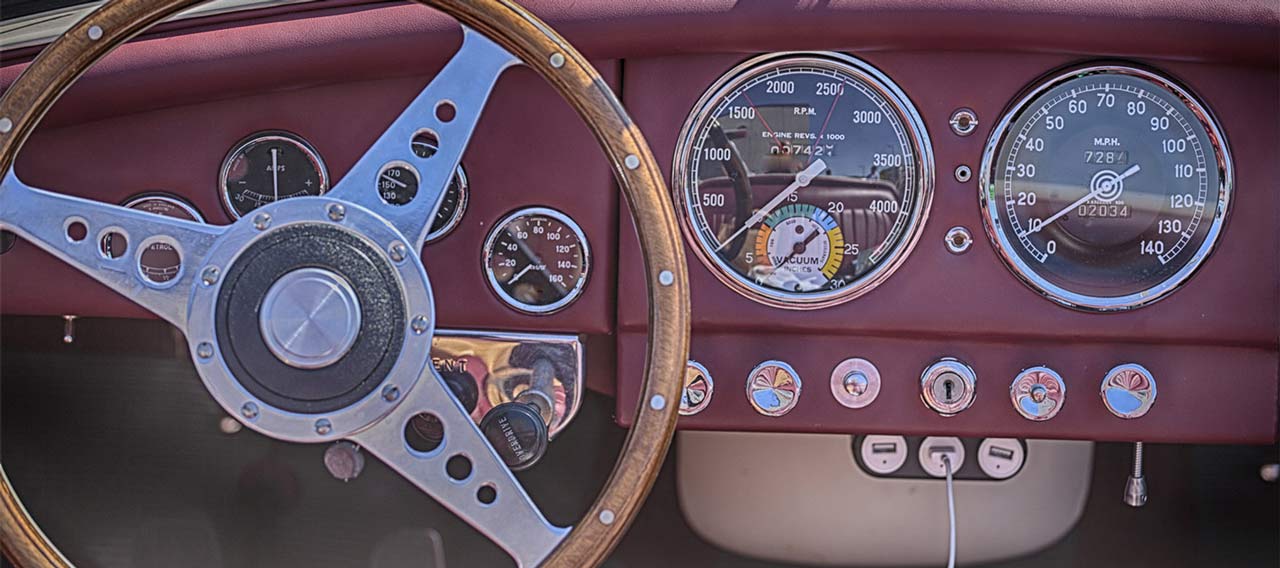
- Speedometer and odometer – You’ll likely be given a route book that has directions down to the tenth of a mile. You can get by with an inaccurate speedometer, but your co-driver will have to be on top of your location.
Drive the car to make sure it’s ready
If you’re used to taking your car out for short Sunday drives only, you’ll want to make sure it’s ready for a much longer and perhaps more gruelling adventure. After all, putting 1,000 hard miles on a car over three or four consecutive days will make your car behave differently than it would over a short stint. You may want to take it for a longer test drive at least a few weeks before the main event to make sure you can adjust and repair as needed.
Know what to bring
If you can carry a few spare parts, do so. Things like a water or fuel pump, generator, some fan belts, hoses, oil and an oil filter may be useful. Your mechanic can also advise you on common parts on your particular model that could be prone to failure. By bringing spares, the rally mechanics will be better able to address any problems that may arise. Make sure you familiarise yourself with local driving regulations and are carrying all required documentation and equipment, such as traffic cones and high visibility jackets.
Make sure you have the right insurance
Many classic car policies apply stringent mileage limitations or require you to report your odometer readings annually. The right classic car policy will not limit your ability to drive your car for hobby purposes, nor will it restrict you from using a hotel parking lot for the duration of the rally. Furthermore, verify that your insurance company provides you with towing coverage in the event of a breakdown. You should also check your overseas cover and Green Card requirements, for example some policies will have 30 days overseas limits.
For more information on Chubb in the UK click here.
All content in this material is for general information purposes only. It does not constitute personal advice or a recommendation to any individual or business of any product or service. Please refer to the policy documentation issued for full terms and conditions of coverage.
Insights and expertise
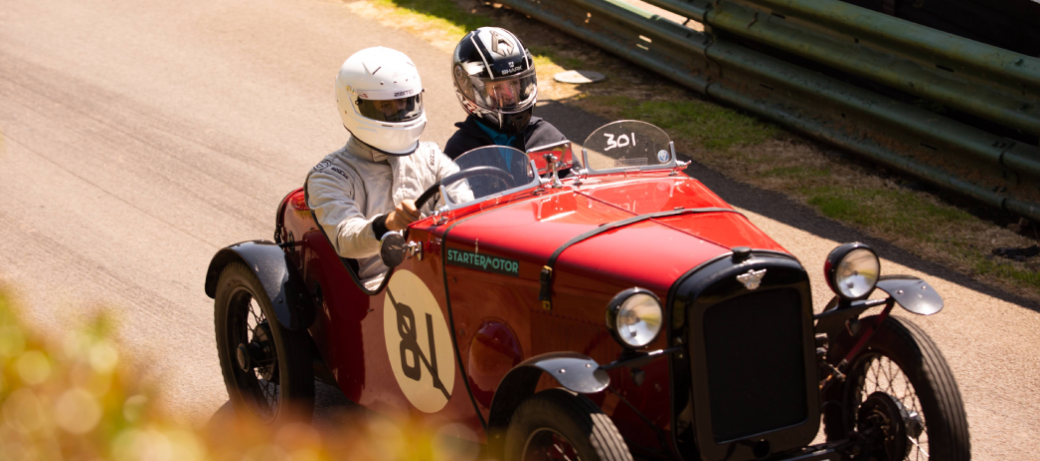
Classic appeal: attracting the next generation into the classic car sector is StarterMotor’s driving ambition
Why passion investing is not for the faint-hearted