
- Individuals & Families
- Businesses
- Brokers

With winter on its way out, you may be ready for some spring cleaning.

Make sure you protect your classic cars from damage or additional wear and tear.

Keep your important papers and small valuables away from burglars, fire or natural disaster.

For over a hundred years, we’ve offered unparalleled stability and protection for small boats, yachts, luxury mega-yachts, and more.

Here are some things you can do to assist firefighters and minimize the damage to your home.

At their worst, disputes between professional service firms and their clients can lead to costly lawsuits.
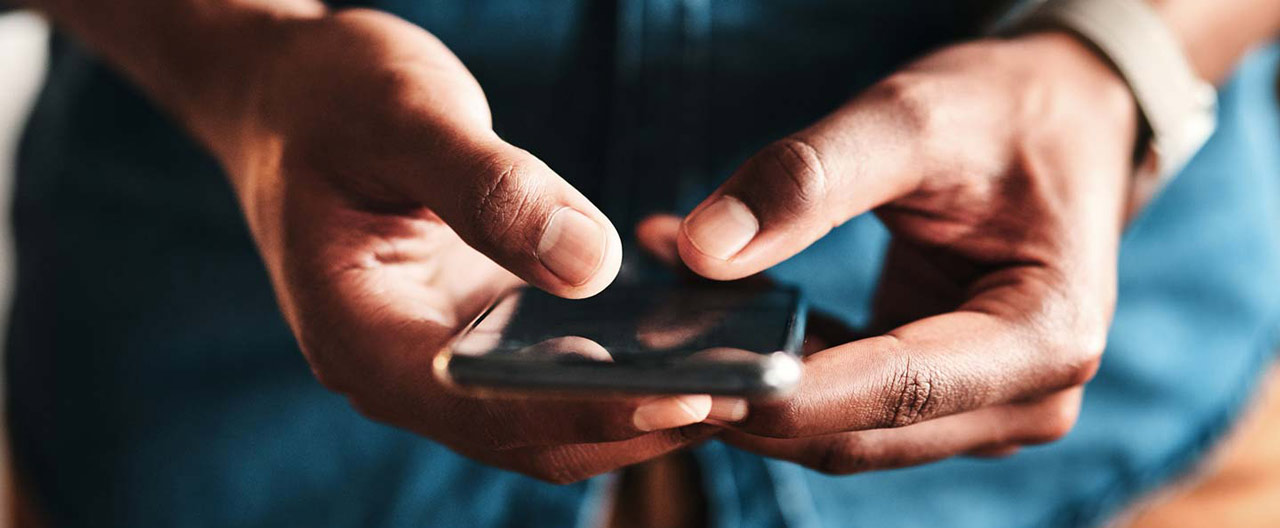
Our phones are an extension of ourselves, helping us do everything from keeping in touch to streaming our favourite shows to sharing our adorable pets on social media. But with increased data usage comes the increased danger of getting your personal information stolen via your phone — which can lead to damaging consequences.
One such scheme is “smishing,” where hackers gain access to your data by using fake text messages. So, read (probably on your phone) about smishing scams and how to safeguard against them.
What is smishing?
You’re probably familiar with the terms phishing and spoofing, scams where bad actors send fake emails that claim that you’ve gotten some sort of prize or that urgent action is required on your account. Spoofing emails pretend to be from trusted, big-brand institutions, like major banks or retailers. These emails try to trick you into opening a link or file — which allows malicious software to be downloaded onto your computer and leads to your data being compromised.
The word smishing is a mash-up of SMS (aka texting) and phishing. A smishing scam is a version of phishing that’s done through spam text messages rather than fake emails-and, like spoofing, texts may seem to be from a trusted sender. The smishers steal your personal and financial data through your mobile device instead of from your computer. The result is the same as phishing: the hackers obtain enough of your info to be able to impersonate a digital you.
This can have serious consequences because…
Identity theft leads to financial theft
Cybercrime is on the rise. In 2025, the Canadian Anti-Fraud Centre received over 112,000 fraud reports involving over $704 million in reported losses.1
Much of that crime begins with stealing your online identity. And your text message activity can be the open door, inviting cybercriminals in.
Why use spam text messages to target your data?
Cyberattack by smishing is attractive to hackers because text messages have qualities that put data thieves at an advantage:
- Lack of authentication – SMS text senders are not verified beyond a phone number.
- The odds we’ll answer – Open rates for text messages are as high as 98%.2
- Location data – Your phone can provide smishers with your site location, which can make the scam text message seem more legit.
- Speed – We generally text fast, which makes it easy for us to mistakenly open and click on fake texts.
- Volume – M. Billions of text messages are sent every day. Good statistics for a criminal enterprise looking to exploit.
How to prevent getting caught in a smishing scam
The best way to avoid being smished is to be vigilant about your personal texting habits and security.
- Ignore texts that seem “off” and don’t open text alerts you didn’t sign up for.
- Block unwanted text senders and consider minimizing your text alerts to the most essential.
- Don’t click on links in text messages unless you’re absolutely sure who the sender is and the purpose of the link.
- Get a personal virtual private network (VPN), which will help protect against location-based smishers.
- Use a two-factor authentication (2FA) app such as Authy or Google Authenticator, to eliminate the code-texting verification steps and increase the security.
Insights and expertise
6 ways to protect your personal information online

6 ways to protect yourself from hackers
9 tips to help protect your identity during tax season
This document is advisory in nature and is offered as a resource to be used together with your professional insurance advisors in maintaining a loss prevention program. It is an overview only, and is not intended as a substitute for consultation with your insurance broker, or for legal, engineering or other professional advice.
Chubb is the marketing name used to refer to subsidiaries of Chubb Limited providing insurance and related services. For a list of these subsidiaries, please visit our website at www.chubb.com. Insurance provided by Chubb Insurance Company of Canada or Chubb Life Insurance Company of Canada (collectively, “Chubb Canada”). All products may not be available in all provinces or territories. This communication contains product summaries only. Coverage is subject to the language of the policies as actually issued.