
- Individuals & Families
- Businesses
- Brokers

With winter on its way out, you may be ready for some spring cleaning.

Make sure you protect your classic cars from damage or additional wear and tear.

Keep your important papers and small valuables away from burglars, fire or natural disaster.
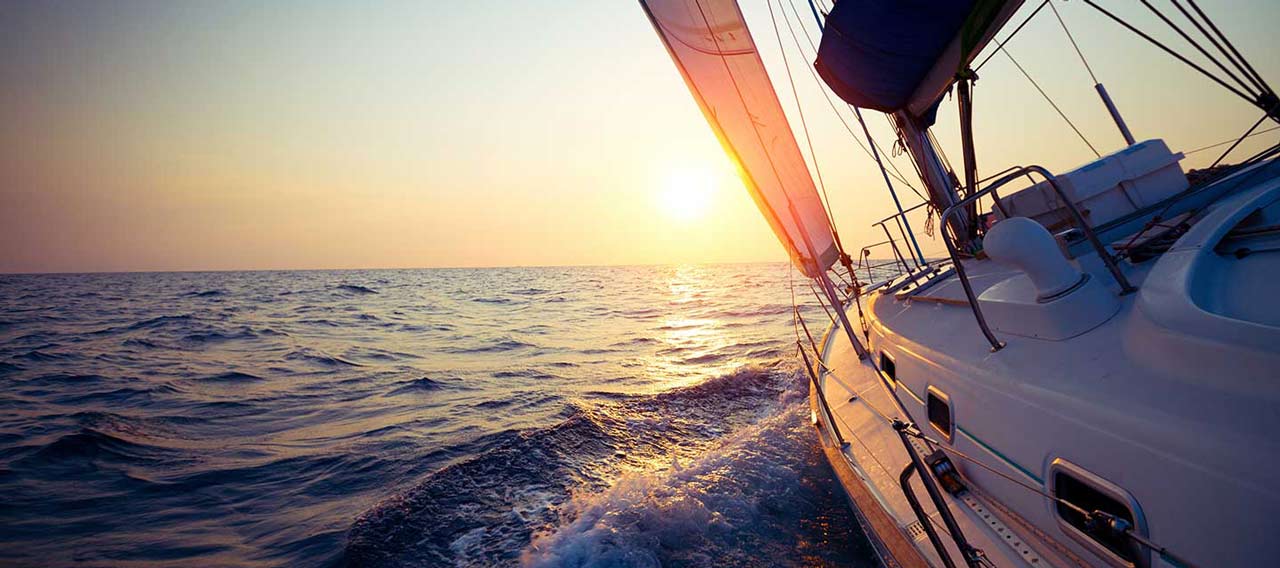
For over a hundred years, we’ve offered unparalleled stability and protection for small boats, yachts, luxury mega-yachts, and more.

Here are some things you can do to assist firefighters and minimize the damage to your home.

At their worst, disputes between professional service firms and their clients can lead to costly lawsuits.
All Paws on Deck: The Ultimate Guide to Safe Boating Adventures with Your Pet
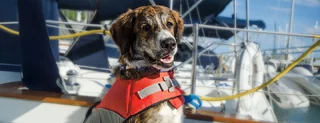
There’s nothing quite like the sight of your dog’s ears flapping in the breeze as they play “captain” at the bow, or your cat surveying the waves from the helm, convinced they’re the true master of the sea. But remember: The water world can be full of surprises for our furry crew, but a little common sense and planning can make sure the trip ends with wagging tails and contented purrs.
Here’s your guide to smooth sailing with your four-legged first mates — plus, download our Pet Boating Safety Master Checklist to ensure every adventure is safe, fun, and worry-free.
Dogs vs. cats: Who makes the better boat buddy?
Dogs: Most pups are instant fans of boating… sometimes a little too enthusiastic! That seagull or fish might be irresistible, so basic obedience (sit, stay, come) is a must. In rough water, keep your dog safely tethered in the cockpit with a short lead clipped to their life jacket (never their collar). And don’t forget: Bathroom breaks require planning!
Cats: Cats are the philosophers of the boat—cool, calm, and collected… until a sudden bump or noise sends them scurrying. During active sailing or rough weather, cats are safest below deck. On calm waters, a harness and leash (never just a collar) make for safe, supervised deck adventures. And always check those portlights—an open window is an open invitation for feline explorers.
Before you cast off: Tips for getting your pet ready for boating
- Vet check: Visit your vet before your first voyage. Make sure your pets’ vaccines are up to date (ask about leptospirosis for dogs in marinas), flea/tick prevention is packed, and you have a plan for motion sickness.
- Know your pet: Not every dog is a natural “sea dog.” Bulldogs, Pugs, and Frenchies aren’t built for swimming, so take only short trips with these snub-nosed sweethearts. Domestic cats often avoid water, but breeds like the Turkish Van (sometimes called the "swimming cat"), Bengal, Maine Coon, Savannah, and Japanese Bobtail are more inclined to enjoy water activities.
- Patience: Many dogs and cats love life on the water, but it often takes time. Don’t rush them; let them adjust to the boat and their surroundings at their pace.
Looking for peace of mind for your boat? Check out our coverage options for boats and yachts.
Acclimating your pet before departure
The biggest mistake? Rushing an unprepared or uninitiated pet onto a moving boat and expecting instant happiness. Comfort on the water may take several outings, especially for cats. Patience pays off in years of smooth sailing!
Start slow:
- Let your pet explore the boat before leaving the dock.
- Reward successes and good behavior with treats.
- Take short calm-water trips before venturing farther.

Pet boating safety: The non-negotiables for your furry friend
- Life jackets: Not all pets can swim, and even talented swimmers can tire in rough conditions, or panic after an unexpected fall overboard. The grab handle on a dog or cat life jacket is what lets you physically haul your pet back aboard (without dislocating your shoulder in the process). That’s why it’s important to look for a sturdy grab handle and a snug fit (two fingers under the jacket, but no shifting when lifted).
- Deck safety: Scan your boat for pet hazards. Install marine netting for gaps in lifelines and open portholes. If your vessel is prone to slippery decks, consider adding non-slip mats. Last but not least, a pet ladder on the swim platform can be a lifesaver for dogs.
- Heat & hydration: Decks can get very hot! Always provide shade and plenty of fresh water. Dogs will drink seawater if thirsty, which will quickly lead to dehydration.
- Weather watch: Avoid rough weather. If things get bumpy, keep pets in a safe, central low-movement spot, such as a cabin or secured crate.
- Docking: Always secure pets with a harness or leash, or in a designated safe area when docking, rafting up, or moving to anchorage so they don’t slip, jump, or get knocked overboard during boat movement.
Other hazards to watch for
- Fishing gear: Hooks and lures are flashy and can be irresistible (and dangerous) to curious pets and can end a trip in an instant. Stow them safely. Also, avoid letting your pet sniff or bite freshly caught fish or bait, which can carry sharp bones, spines, and barbs.
- Boat chemicals: Cleaners, antifouling paint, fuel, and lubricants should be locked away. If you see or smell funky water, keep pets away.
Always pack a pet-specific first-aid kit with items such as gauze, wound wash, thermometer, tweezers, muzzle, and any meds. Know the nearest emergency vet and keep digital records handy. It’s also a good idea to update your pet’s microchip info, just in case.
Final boarding call
The best results will always come from proper preparation and patience. Get the right gear, slowly acclimate your dog or cat, and know the hazards. Then sit back and scratch your dog behind the ears while your cat supervises the anchor drop.
Insights and expertise
The three “P’s” of marine fire safety
Your essential pre-departure and boating safety checklist
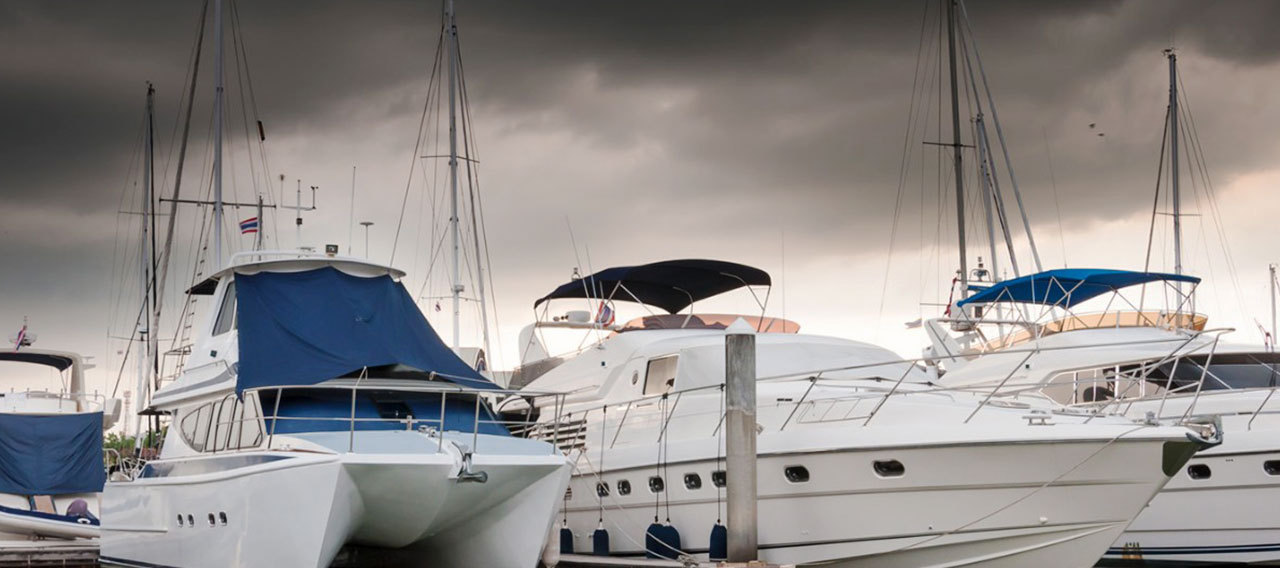
Protecting your boat from hurricanes and other major storms
This document is advisory in nature and is offered as a resource to be used together with your professional insurance advisors in maintaining a loss prevention program. It is an overview only, and is not intended as a substitute for consultation with your insurance broker, or for legal, engineering or other professional advice.
Chubb is the marketing name used to refer to subsidiaries of Chubb Limited providing insurance and related services. For a list of these subsidiaries, please visit our website at www.chubb.com. Insurance provided by Chubb Insurance Company of Canada or Chubb Life Insurance Company of Canada (collectively, “Chubb Canada”). All products may not be available in all provinces or territories. This communication contains product summaries only. Coverage is subject to the language of the policies as actually issued.