
- Individuals & Families
- Businesses
- Brokers

With winter on its way out, you may be ready for some spring cleaning.

Make sure you protect your classic cars from damage or additional wear and tear.

Keep your important papers and small valuables away from burglars, fire or natural disaster.

For over a hundred years, we’ve offered unparalleled stability and protection for small boats, yachts, luxury mega-yachts, and more.

Here are some things you can do to assist firefighters and minimize the damage to your home.

At their worst, disputes between professional service firms and their clients can lead to costly lawsuits.
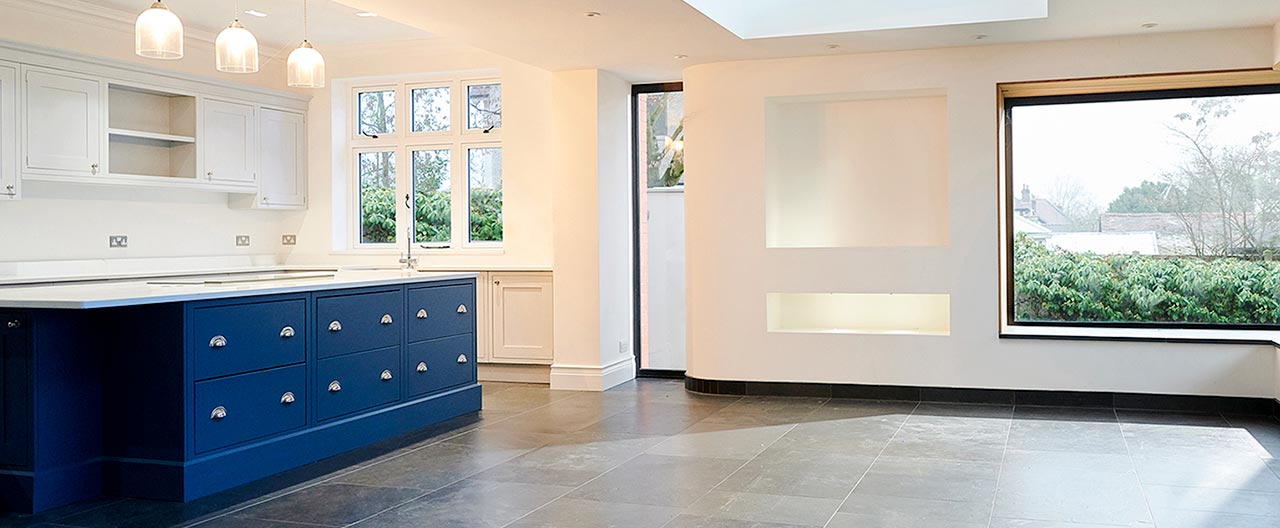
If an adverse event such as a fire or burst pipe happens when you’re at home, you can act quickly to prevent or limit damage. But what happens if a home you own is presently vacant? There are several steps you can take to help secure unoccupied or vacant homes and protect them from potential damage.
What exactly is a “vacant” home?
Consider these two scenarios when a home is temporarily without occupants: You go on a three-week vacation without using a house sitter or you own a vacation home that often sits unused. The home still may contain furniture and other property—and the home will be occupied again after your absence. In both scenarios, the home in question would generally not be considered vacant by the terms and conditions of most homeowners insurance policies but may be considered unoccupied.
On the other hand, if a home contains no furniture or personal property—if it’s empty except for installed appliances and fixtures—and no one lives there for more than 30 days, then the home may be considered a vacant property. Homes can become vacant following a change in ownership (e.g., via a sale or through inheritance), following a work transfer, during renovations, or for other unforeseen circumstances.
Steps to take to reduce risks to vacant homes
Generally, vacant homes have additional and different risk profiles than occupied homes, but there are several steps you can take to reduce these risks. Some steps may be taken immediately, while others may require some upgrades to current systems (and many of the steps can be followed even for temporarily unoccupied homes):
- Maintain a consistent temperature of 13°C or higher — In cold climates, maintaining your vacant or unoccupied home at an appropriate temperature can help prevent frozen pipes, which can burst and lead to water damage. A stable temperature in cold climates can also reduce the swelling and shrinking of your home’s structural materials. In hot climates, a stable temperature can help prevent mold growth. Internet-connected temperature monitors and alarms can alert you to respond to changes in temperature.
- Winterize unoccupied or vacant homes — Along with maintaining a stable temperature, there are additional steps you can take to protect these homes from winter-related risks. Key actions include draining water lines, insulating water pipes, shutting off water at the main water valve, keeping gutters clear, and directing downspouts away from your home’s foundation.
- Test your backup generator weekly — Backup generators can help maintain an appropriate temperature during power outages. To keep generators operational, test them weekly. Some newer generators have auto-test features that can be reviewed remotely.
- Remove garbage and pest-proof your home — Take steps to prevent pests from being attracted to your home by removing garbage and debris in and around the property. In addition, cut off access pests may have to your home by sealing gaps in your home’s exterior.
- Install motion sensor exterior lights — Motion-activated and timer-controlled lights can give the appearance that your home is occupied and discourage trespassers.
Service providers can help
While upgrades can help protect your unoccupied or vacant home, contracting with service providers can provide extra protection and peace of mind. Consider seeking out these services:
- Property management — A property management company can help you monitor and maintain your properties, as well as rapidly address any issues. Early detection and remediation of problems can significantly reduce the cost of a claim.
- Alarm monitoring service — A monitored fire and burglar alarm system can add a layer of protection and enable a fast response from emergency services. Posting a sign indicating that your home has a monitored alarm system can also help act as a deterrent to theft.
- Yard service — Maintaining your lawn and landscaping will help give the appearance that the home is occupied and deter trespassers or squatters.
Insights and expertise

Grill safety 101: Essential tips for a safe BBQ season

Winter weather, frozen pipes, and smart protection: A conversation about water leak detection systems

Why Excess Liability coverage is important
This document is advisory in nature and is offered as a resource to be used together with your professional insurance advisors in maintaining a loss prevention program. It is an overview only, and is not intended as a substitute for consultation with your insurance broker, or for legal, engineering or other professional advice.
Chubb is the marketing name used to refer to subsidiaries of Chubb Limited providing insurance and related services. For a list of these subsidiaries, please visit our website at www.chubb.com. Insurance provided by Chubb Insurance Company of Canada or Chubb Life Insurance Company of Canada (collectively, “Chubb Canada”). All products may not be available in all provinces or territories. This communication contains product summaries only. Coverage is subject to the language of the policies as actually issued.