
- Individuals & Families
- Businesses
- Brokers
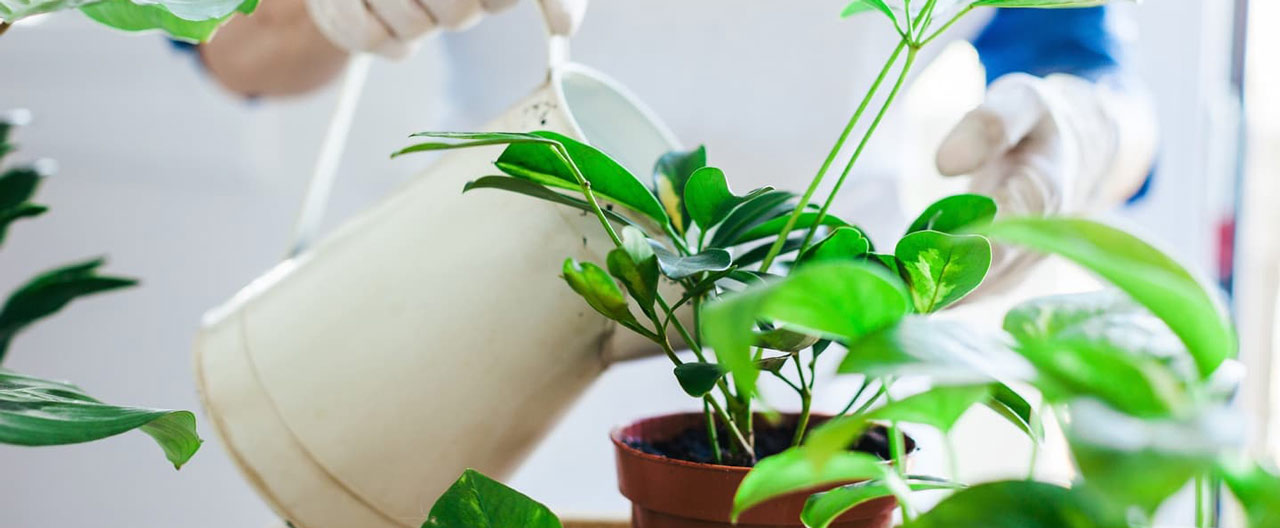
With winter on its way out, you may be ready for some spring cleaning.
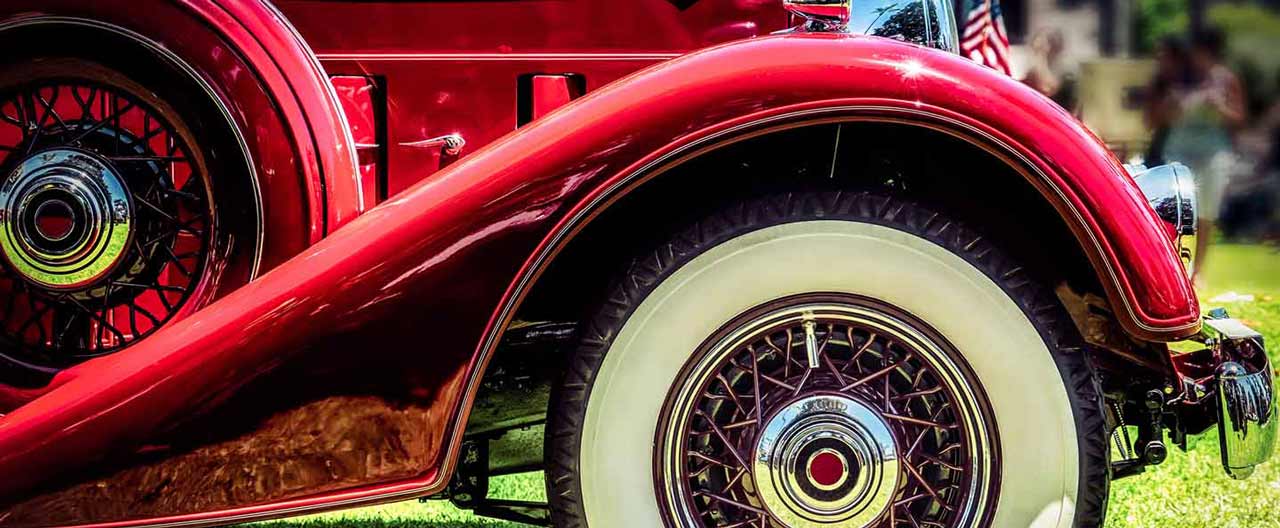
Make sure you protect your classic cars from damage or additional wear and tear.
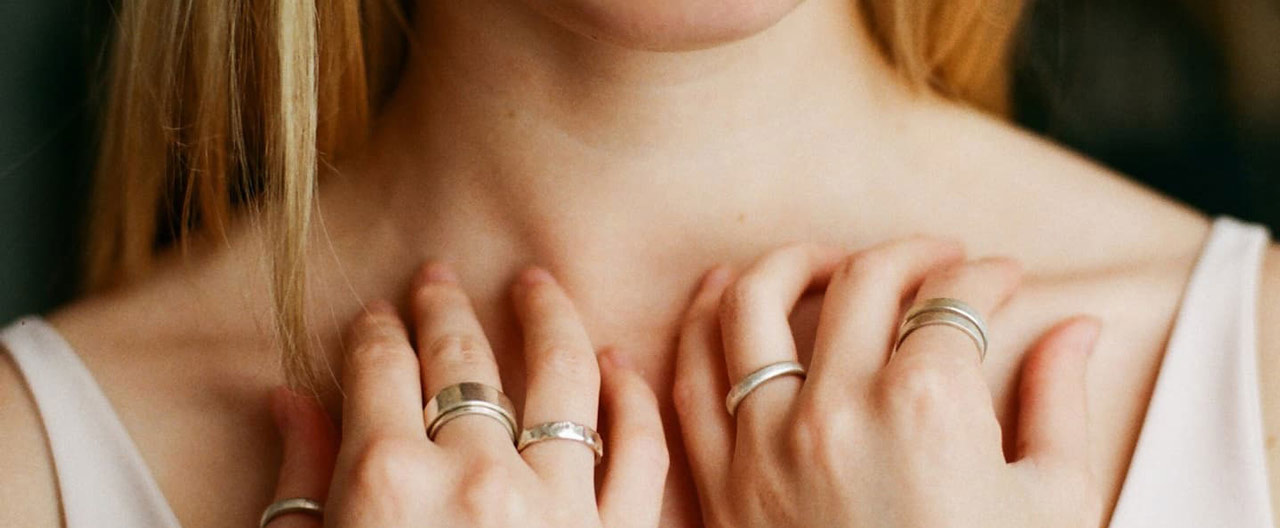
Keep your important papers and small valuables away from burglars, fire or natural disaster.
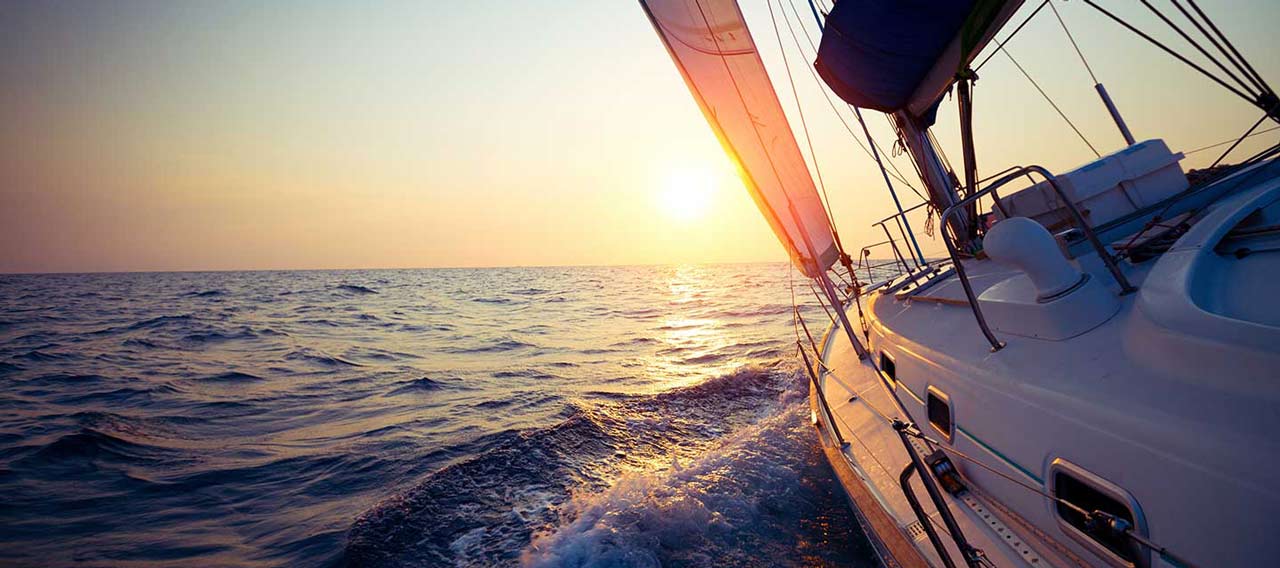
For over a hundred years, we’ve offered unparalleled stability and protection for small boats, yachts, luxury mega-yachts, and more.

Here are some things you can do to assist firefighters and minimize the damage to your home.

At their worst, disputes between professional service firms and their clients can lead to costly lawsuits.
Protecting and preserving your collection while on display in your home is essential to ensuring that it can be enjoyed for generations to come. Below are a few simple steps you can take to maintain your collection’s value over time.
Install a comprehensive alarm system
For early detection of smoke and fire, install centrally monitored smoke detectors in or near all areas where art is displayed. Confirm that all accessible points of entry are alarmed, including windows, doors, fire escapes, and skylights, and install interior motion detectors or glass break sensors. Consider installing a water leak detection system to guard against potential water damage issues. Additionally, installing a backup generator and a monitored climate control system can protect against harmful fluctuations in temperature and humidity.
Limit UV exposure
While light can illuminate your fine art, it can also damage it, causing fading, discolouration, and the gradual deterioration of cherished paintings, photographs, prints, rare books, furniture, and more. Textiles and works on paper are particularly vulnerable to the harmful effects of UV exposure. To limit UV exposure:
- Use LED bulbs, as they do not emit ultraviolet or infrared radiation or heat. Indirect lighting is always best.
- Frame items with UV protective glazing, which is made of acrylic or glass and sits between the contents of the picture frame and the outside environment. Avoid framing pastels with acrylic or Plexiglas due to the static charge that could damage the delicate surface.
- Apply UV film to windows.
- Avoid placing collections in areas that receive direct sunlight and consider rotating items that are susceptible to UV exposure.
- Ensure window blinds are down during times of day where sun exposure is at its greatest.
Maintain stable climate conditions
Remember that the ideal temperature for human comfort may not be the best climate conditions for your fine art. Fluctuations in temperature and humidity can cause materials to expand and contract, leading to overall deterioration such as the warping of wood panel and canvas supports, cracking of paint layers, fading of colour photographs and structural damage to veneered furniture. Low humidity can cause materials to become brittle, while high humidity can promote mold growth, pest infestation, discolouration and fading of works on paper including photographs, and metal corrosion. To keep your collection in top condition:
- Most artwork display conditions should be at a relative humidity level of approximately 45% and temperature of roughly 21 degrees Celsius. However, it is critical to prioritise maintaining a stable environment, as severe fluctuations can cause the most harm.
- Place items away from heating and air conditioning vents to prevent exposure to temperature extremes. If displayed directly underneath an HVAC vent, an artwork is also more vulnerable to condensation, potential water leaks, and dust particulates.
- Don’t display artwork above a frequently used wood burning fireplace due to the harmful heat exposure and risk of smoke and soot damage.
- Avoid placing collections in areas prone to high levels of temperature and humidity, such as bathrooms, kitchens, and unfinished attics.
- Frame collection items with archival materials that help buffer temperatures and humidity fluctuations.
Plan the best display location and install properly
Displaying your fine art at home allows you to immerse yourself in your passion while appreciating your valued investments. However, it is important to select the right area to display your items and ensure that they are installed and handled correctly. This is especially crucial for fragile artworks and sculptures, which should be placed in safe areas within your home to prevent accidental damage.
- Avoid high traffic areas to prevent accidental damage from handbags, household items, chair backs or doors.
- Ensure household staff are provided with specific housekeeping guidelines on how to safely clean and work around your collection.
- Employ professional art installers to install, handle, or move your collection, and use appropriate installation hardware to prevent accidental falls or damage.
- Have a professional periodically check installation hardware and replace nails, hooks, or wires that may be deteriorating.
Insights and expertise
6 tips to protect your whiskey collection

Collecting on board: Fine wine and rare spirits

Collecting on board: Fine art
This document is advisory in nature and is offered as a resource to be used together with your professional insurance advisors in maintaining a loss prevention program. It is an overview only, and is not intended as a substitute for consultation with your insurance broker, or for legal, engineering or other professional advice.
Chubb is the marketing name used to refer to subsidiaries of Chubb Limited providing insurance and related services. For a list of these subsidiaries, please visit our website at www.chubb.com. Insurance provided by Chubb Insurance Company of Canada or Chubb Life Insurance Company of Canada (collectively, “Chubb Canada”). All products may not be available in all provinces or territories. This communication contains product summaries only. Coverage is subject to the language of the policies as actually issued.