
- Individuals & Families
- Businesses
- Brokers

With winter on its way out, you may be ready for some spring cleaning.

Make sure you protect your classic cars from damage or additional wear and tear.

Keep your important papers and small valuables away from burglars, fire or natural disaster.

For over a hundred years, we’ve offered unparalleled stability and protection for small boats, yachts, luxury mega-yachts, and more.

Here are some things you can do to assist firefighters and minimize the damage to your home.

At their worst, disputes between professional service firms and their clients can lead to costly lawsuits.

As we spend more of our lives online – working, going to school, shopping, and more – we face an increasing risk of identity fraud. If you’re on social media, your risk is even higher. And with everything happening in the world, cybercriminals have started targeting people who want to know what’s happening with the pandemic. While the type of scam will vary, identity theft remain a threat unless we do something to stop it.
One of the first things you can do to stop identity theft is recognize the ways in which a cybercriminal might try to steal your identity – and the warning signs that suggest you might be a victim of identity theft.
How do cybercriminals steal your identity?
There are lots of ways for criminals to get your personal identifying information – the information that makes up your identity, such as your Social Security number, credit card numbers, and passwords to bank accounts — including overhearing you on the phone, buying your information on the dark web, or stealing your information by tricking you into going to a bogus website or clicking on an email link. However they get it, the results can be devastating if you’re not aware of what’s going on.
They can use your personal information to:
- Open credit cards or new lines of credit
- Make purchases using your credit or debit cards
- File a tax return in order to claim your refund
- Rent an apartment, lease a car, or pass a background check
What should you look for?
One of your best defences against identity theft is to catch it quickly if it happens. That means you’ll need to know what to look for. Below is a list of warning signs that indicate that you may be a victim of identity theft:
- Your bank statement doesn’t accurately reflect credit made by you or an authorized user
- You see unfamiliar or unauthorized activity on your credit card or credit report
- You have missing bills or missing mail
- You are receiving unfamiliar bills
- You receive calls from debt collectors
- You’re unable to file taxes because someone else has already filed them in your name
- You are notified that your information was in a data breach
Insights and expertise

6 ways to protect your personal information online

6 ways to protect yourself from hackers
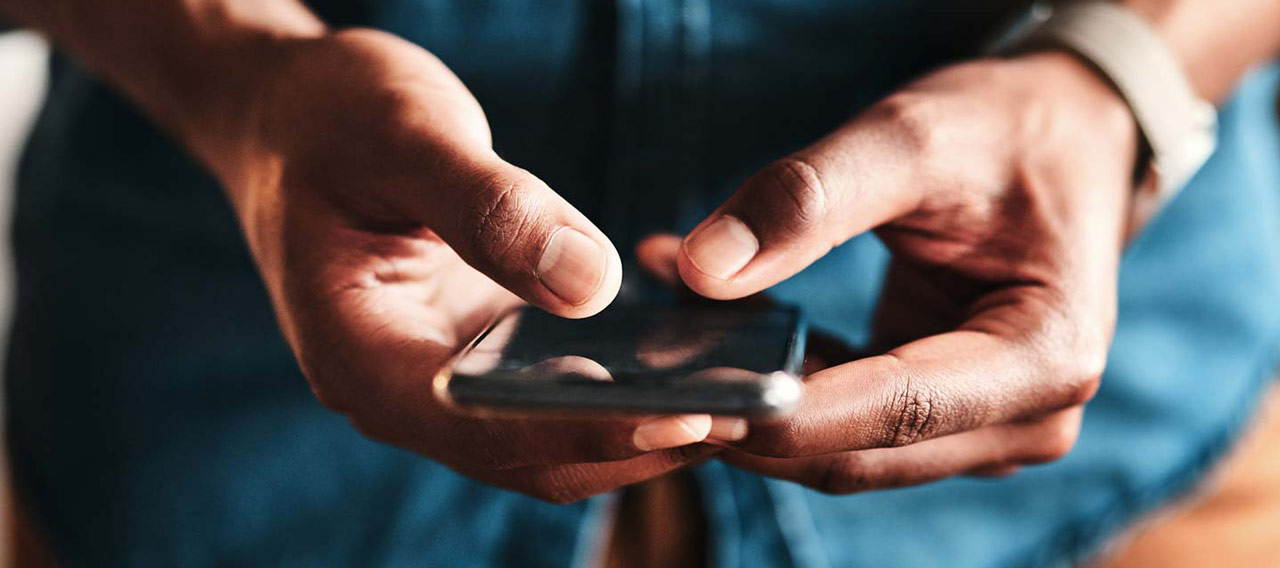
Smishing: A cyber security threat
This document is advisory in nature and is offered as a resource to be used together with your professional insurance advisors in maintaining a loss prevention program. It is an overview only, and is not intended as a substitute for consultation with your insurance broker, or for legal, engineering or other professional advice.
Chubb is the marketing name used to refer to subsidiaries of Chubb Limited providing insurance and related services. For a list of these subsidiaries, please visit our website at www.chubb.com. Insurance provided by Chubb Insurance Company of Canada or Chubb Life Insurance Company of Canada (collectively, “Chubb Canada”). All products may not be available in all provinces or territories. This communication contains product summaries only. Coverage is subject to the language of the policies as actually issued.