
- Individuals & Families
- Businesses
- Brokers

With winter on its way out, you may be ready for some spring cleaning.

Make sure you protect your classic cars from damage or additional wear and tear.

Keep your important papers and small valuables away from burglars, fire or natural disaster.

For over a hundred years, we’ve offered unparalleled stability and protection for small boats, yachts, luxury mega-yachts, and more.

Here are some things you can do to assist firefighters and minimize the damage to your home.

At their worst, disputes between professional service firms and their clients can lead to costly lawsuits.
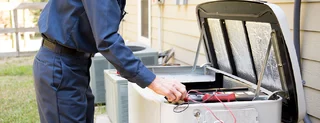
Extreme weather events—including severe winter storms, heavy rainstorms, tornadoes, and wildfires—are leading to longer power outages. Prolonged power outages can potentially result in damage to your home and other losses. Without power, pipes can freeze and burst; sump pumps can fail, leading to water damage; and food can spoil.
Given this growing risk—and the importance of power reliability for safety, comfort, and connectivity—many homeowners are investing in backup power systems. There are two primary types of backup systems, gas generators and battery generators. While both can provide an immediate backup power supply, each has its benefits and drawbacks. Homeowners should evaluate their specific needs and risks when upgrading their home with a backup generator.
Gas generators
Gas generators run on natural gas, propane, diesel, or gasoline. Power from an internal combustion engine is converted into electricity that can keep your home’s appliances, electric heating, and electronics running.
Advantages of gas generators
- High power output: Gas generators generally provide more power than battery generators. This enables them to run larger appliances, making them suitable for powering whole-house systems or significant electrical loads.
- Longer runtime: With adequate fuel supply, gas generators can run for extended periods, making them reliable for long outages. This is especially critical during winter months, when maintaining heat is essential to prevent frozen pipes and keep your home safe.
- Cost-effective: Generally, gas generators tend to be less expensive than battery generators when considering the initial purchase and the cost per watt of electricity produced.
- Availability of fuel: Many homes already have access to natural gas lines, and gasoline and propane are widely available in most areas.
Disadvantages of gas generators
- Emissions: Gas generators produce harmful emissions, contributing to air pollution and potentially impacting health. This makes them unsuitable for indoor use and limits their usage in certain areas.
- Noise: Gas generators can be loud, creating significant noise pollution that can disturb the peace, especially in more populated residential areas.
- Maintenance: Gas generators require regular maintenance, including oil changes, fuel checks, and periodic servicing. They are also subject to wear and tear, which can lead to higher long-term costs.
- Fuel storage: Homeowners must have a secure storage solution for fuel, as gasoline and propane can be hazardous and require careful handling.
Battery generators
Battery generators, often referred to as portable power stations or backup battery systems, are devices that store electrical energy in batteries, which can then be used to power appliances. They are becoming increasingly popular as an alternative to gas generators due to advances in battery technology.
Advantages of battery generators
- Clean energy: Battery generators produce no emissions during operation, making them environmentally friendlier and safe for indoor use.
- Quiet operation: These units typically operate silently, making them ideal for residential areas where noise may be an issue.
- Low maintenance: Battery generators require less maintenance than gas generators.
- Easier to use: Battery generators do not require fuelling, making them more user-friendly.
- Versatility: Battery generators are often portable, enabling their use for a wide range of applications, from powering appliances during a blackout to charging electronics during camping trips.
Disadvantages of battery generators
- Limited power output: Battery generators produce less power compared to gas counterparts, making them less effective for running multiple large appliances simultaneously.
- Shorter runtime: Depending on capacity and load, battery generators may only operate for a few hours before needing a recharge. This can be a problem during long power outages.
- Higher initial cost: While costs vary by model, battery generators typically have a higher upfront cost compared to gas generators, especially for larger-capacity units.
- Dependence on electricity: Battery generators must be recharged, either from solar panels or a wall outlet, which may not be possible during an extended, widespread power outage.
Key considerations when choosing a generator
When selecting a generator for home use, consider the following factors:
- Power needs: Assess your essential power requirements. Consider what appliances you need to run during an outage and calculate the total wattage necessary. Gas generators generally handle higher wattages, making them suitable for larger homes.
- Fuel availability and safety: Consider the types of fuel available in your area. If you have access to natural gas or propane, a gas generator may be preferable. If you are concerned about emissions or fuel storage, a battery generator may be more appealing.
- Usage frequency: Consider how often you might need to use the generator. For occasional, brief outages, a battery generator may suffice. However, for home backup in areas with frequent outages, a gas generator might be the better option.
- Maintenance and operation: Decide how much maintenance you are willing to undertake. Gas generators require regular upkeep, while battery systems typically require minimal care.
- Budget: Determine your budget, accounting for both initial costs and operating expenses. Factor in fuel costs for gas generators and battery replacement costs for battery systems.
- Environmental considerations: If eco-friendliness is a priority, battery generators win out due to their zero-emissions operation.
Final considerations
Ultimately, your unique circumstances should guide your selection of a power backup system for your home. A robust backup solution can help protect your home, as well as provide comfort and security during power outages. In addition, reach out to your broker to find out if you can earn a discount on your homeowners insurance policy by installing a permanent backup generator.
Insights and expertise

Grill safety 101: Essential tips for a safe BBQ season

Winter weather, frozen pipes, and smart protection: A conversation about water leak detection systems

Why Excess Liability coverage is important
This document is advisory in nature and is offered as a resource to be used together with your professional insurance advisors in maintaining a loss prevention program. It is an overview only, and is not intended as a substitute for consultation with your insurance broker, or for legal, engineering or other professional advice.
Chubb is the marketing name used to refer to subsidiaries of Chubb Limited providing insurance and related services. For a list of these subsidiaries, please visit our website at www.chubb.com. Insurance provided by Chubb Insurance Company of Canada or Chubb Life Insurance Company of Canada (collectively, “Chubb Canada”). All products may not be available in all provinces or territories. This communication contains product summaries only. Coverage is subject to the language of the policies as actually issued.