
- Individuals & Families
- Businesses
- Brokers

With winter on its way out, you may be ready for some spring cleaning.
Make sure you protect your classic cars from damage or additional wear and tear.

Keep your important papers and small valuables away from burglars, fire or natural disaster.

For over a hundred years, we’ve offered unparalleled stability and protection for small boats, yachts, luxury mega-yachts, and more.

Here are some things you can do to assist firefighters and minimize the damage to your home.

At their worst, disputes between professional service firms and their clients can lead to costly lawsuits.
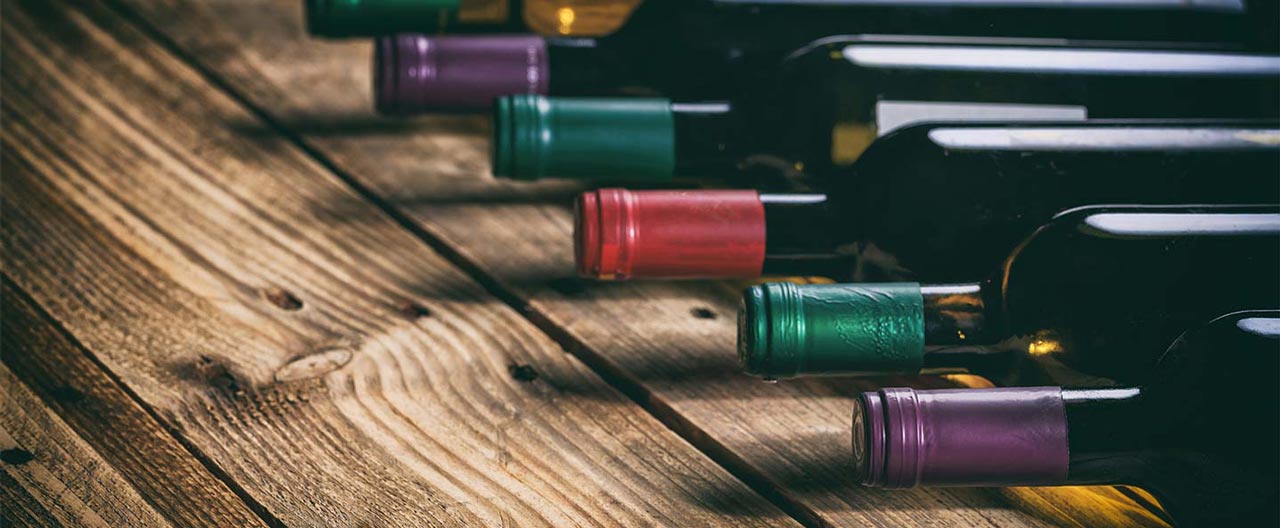
If your move includes a bottle or two of expensive wine or an extensive wine collection, you may not want to simply box it up and stick it in the moving van. Because wine is an organic asset that is sensitive to light, heat, cold, and vibrations, it is wise to carefully consider how you’ll transport it from place to place.
Below, we’ve outlined a few things to keep in mind when you’re transporting wine from your old home to your new one:
1. Pack it with care.
If you decide to pack your wine yourself, make sure you use appropriate packing materials to protect your wine from breakage. You can purchase specialized wine boxes at various locations. And make sure your wine is stored on its side, to keep the corks wet.
2. Find shippers who specialize in wine – ahead of time.
Some standard shippers won’t transport wine. So, look into shippers who specialize in transporting wine in climate-controlled trucks. They may be able to pack it for you, using methods that will ensure it stays safe and whole, and provide refrigerated shipping, so your wine remains at an appropriate temperature.
3. Get an appraisal before you move.
If something happens to your wine during the move, you’ll want to make sure you’re fully covered. That’s why it’s important to get a current appraisal for your collectible wine from a well-respected appraiser before your move. If you need help finding someone, contact your insurance broker.
4. Make sure your inventory is up to date.
Before you move your wine, make sure you know exactly what you have. Update your inventory and include the producer, vintage, provenance, acquisition cost, drink-by date, bottle condition, as well as quantity of each wine you own. With wine in particular, maintaining an accurate inventory and tracking its location is critical to its value.
5. Be present when it’s put in the truck – and when it’s taken off.
Be there when the wine is put on the truck and taken off, to make sure all of it gets where it needs to go.
6. Make sure the temperature and humidity remains stable.
To maintain its taste and value, wine needs to be kept at a constant temperature between 13-15º C, and a humidity level of roughly 70%.
7. Check customs laws and interstate shipping requirements.
Not all countries allow wine shipments from outside their borders, so make sure you understand the laws before you move your wine. Some provinces will make exceptions for private collectors who move their wine with other household goods.
Insights and expertise

Collecting on board: Fine wine and rare spirits

Collecting on board: Fine art

Collecting on board: Luxury
This document is advisory in nature and is offered as a resource to be used together with your professional insurance advisors in maintaining a loss prevention program. It is an overview only, and is not intended as a substitute for consultation with your insurance broker, or for legal, engineering or other professional advice.
Chubb is the marketing name used to refer to subsidiaries of Chubb Limited providing insurance and related services. For a list of these subsidiaries, please visit our website at www.chubb.com. Insurance provided by Chubb Insurance Company of Canada or Chubb Life Insurance Company of Canada (collectively, “Chubb Canada”). All products may not be available in all provinces or territories. This communication contains product summaries only. Coverage is subject to the language of the policies as actually issued.