
- Individuals & Families
- Businesses
- Brokers

With winter on its way out, you may be ready for some spring cleaning.
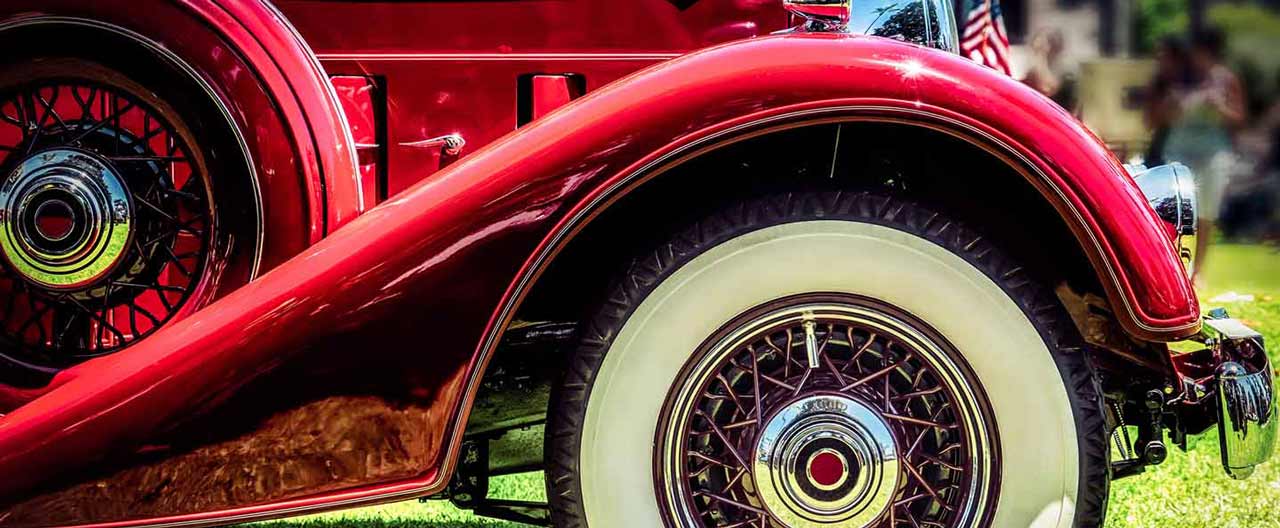
Make sure you protect your classic cars from damage or additional wear and tear.

Keep your important papers and small valuables away from burglars, fire or natural disaster.

For over a hundred years, we’ve offered unparalleled stability and protection for small boats, yachts, luxury mega-yachts, and more.

Here are some things you can do to assist firefighters and minimize the damage to your home.

At their worst, disputes between professional service firms and their clients can lead to costly lawsuits.
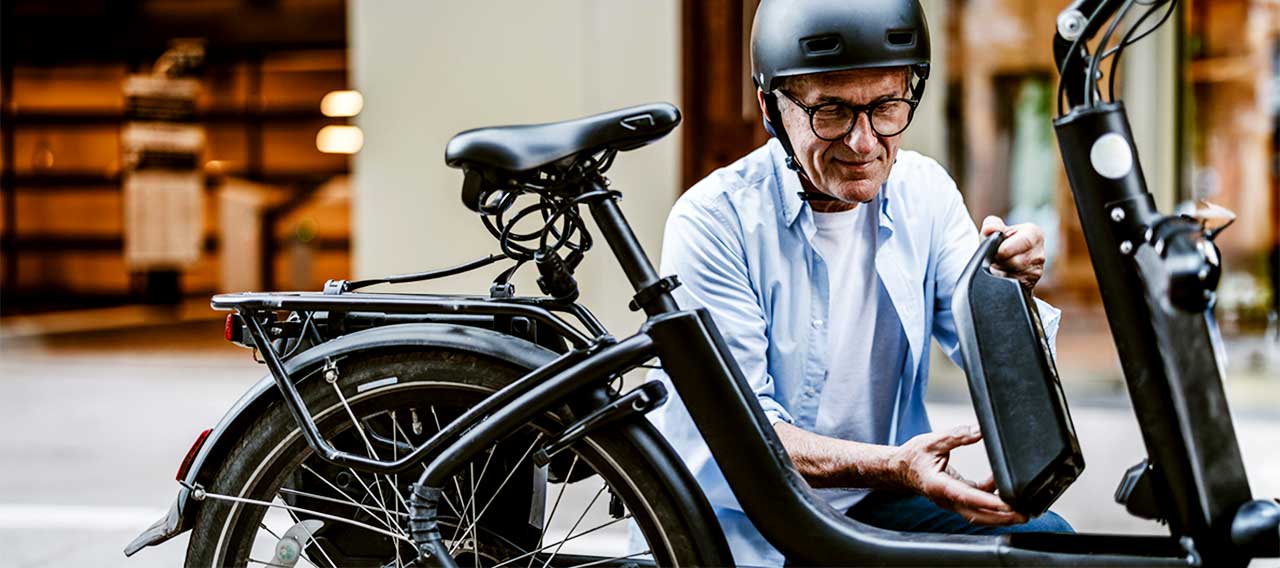
Modern e-bikes came on the market in the 1990s and have exploded in popularity in recent years. E-bikes provide an extra boost of power, enabling riders to climb hills easily and travel faster and farther with less effort compared to traditional, non-electric bikes.
But while e-bikes provide many advantages for both commuting and recreational riding, they also bring new risks. Because e-bikes weigh more and can often travel faster than non-electric bikes, they can be harder to control and can cause more severe injuries. The lithium batteries that power e-bike motors also pose fire risks.
E-bike injuries and accidents
Injuries from e-bike accidents can be similar but more severe than accidents involving non-electric bikes. Types of injuries from e-bike accidents include:
- Lacerations, scrapes, and bruises
- Broken bones
- Internal injuries
- Spinal injuries
- Head and neck injuries¹
There is also a greater risk of e-bike collisions involving—and injuring—pedestrians.²
Electric bike safety
If you’re considering an e-bike purchase or already own an e-bike, here are some key safety tips to follow:
- Always wear a properly fitted helmet when riding an e-bike.
- Make sure you and your bike are visible by using bike lights and wearing reflective clothing.
- Maintain your e-bike—and especially make sure your brakes work and tires are properly inflated.
- Follow traffic laws, including yielding the right of way.
- Always ride with the flow of traffic—and never ride on sidewalks.
- Don’t text or use your mobile phone while riding.
- Don’t ride while intoxicated.
Keep in mind that traffic and e-bike laws vary by jurisdiction. Kids under 16 are not permitted to ride certain classes of e-bikes in some provinces or territories.
It’s a good idea to know your e-bike well before hitting the open road. Read your e-bike’s manual and practice getting on and off your e-bike as well. Young riders and adults new to e-bikes—or biking in general—may benefit by taking a bike safety class. Bike safety programs are often offered by schools and community organizations.
E-bike fire safety
Properly charging, maintaining, and storing your e-bike’s lithium battery will help keep your e-bike operable and safe. While rare, e-bike battery fires can be damaging, dangerous, and even deadly. Follow these tips to help prevent fires and maintain your e-bike’s battery:
- Purchase only e-bikes and batteries that have been safety certified.
- Charge your e-bike battery in a dry, clean, safe area, following the instructions in you e-bike’s manual.
- Only use the charger that comes with your battery.
- Plug your charger directly into a wall outlet; don’t use extension cords or power strips.
- Don’t leave your charging e-bike unattended or charge overnight.
Insights and expertise



This document is advisory in nature and is offered as a resource to be used together with your professional insurance advisors in maintaining a loss prevention program. It is an overview only, and is not intended as a substitute for consultation with your insurance broker, or for legal, engineering or other professional advice.
Chubb is the marketing name used to refer to subsidiaries of Chubb Limited providing insurance and related services. For a list of these subsidiaries, please visit our website at www.chubb.com. Insurance provided by Chubb Insurance Company of Canada or Chubb Life Insurance Company of Canada (collectively, “Chubb Canada”). All products may not be available in all provinces or territories. This communication contains product summaries only. Coverage is subject to the language of the policies as actually issued.