
- Individuals & Families
- Businesses
- Brokers

With winter on its way out, you may be ready for some spring cleaning.
Make sure you protect your classic cars from damage or additional wear and tear.

Keep your important papers and small valuables away from burglars, fire or natural disaster.

For over a hundred years, we’ve offered unparalleled stability and protection for small boats, yachts, luxury mega-yachts, and more.

Here are some things you can do to assist firefighters and minimize the damage to your home.

At their worst, disputes between professional service firms and their clients can lead to costly lawsuits.
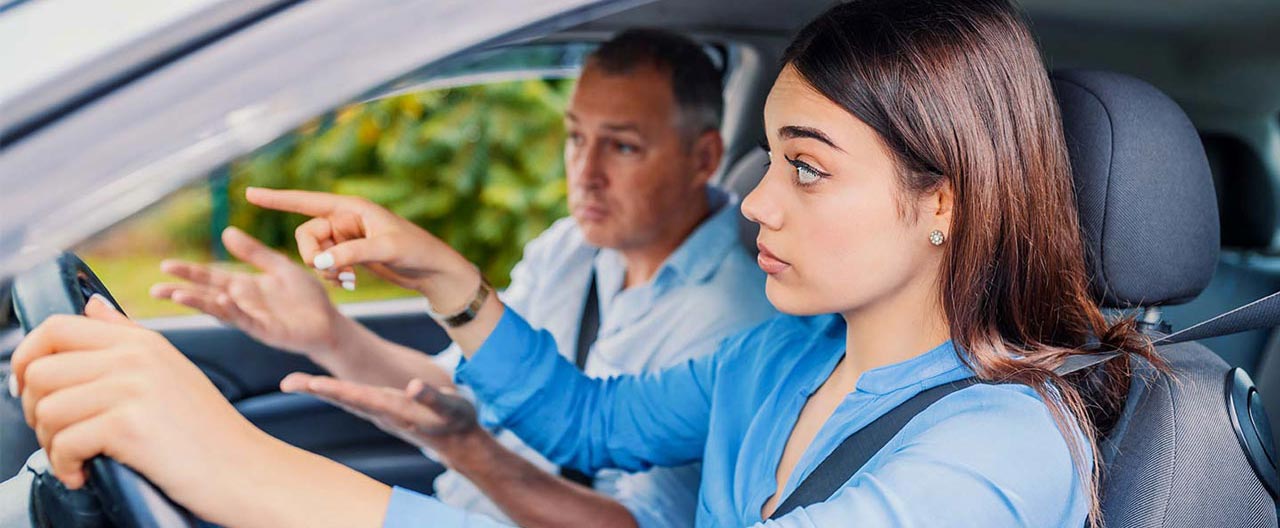
As parents, we hope that our kids will become safe and courteous drivers. But that won’t happen on its own. Left to their own devices, teens may put themselves and their passengers in risky situations. In fact, teen drivers crash three times more often than drivers age 20 years or older per mile driven, and excess speed is a factor in about one-third of teen fatal crashes¹. While these statistics can be scary, there are things you can do as a parent to help your teens become safer drivers. Here are some ideas to get you started:
1. Don't rely solely on driver education.
High school driver education may be a convenient way to introduce teens to the mechanics of driving, but it doesn't produce safer drivers on its own. Young people tend to overestimate their skills and underestimate their vulnerabilities. Training and education don't change these tendencies, and while peers are influential, parents have much more influence than typically is credited to them.
2. Know the law.
Become familiar with your province’s or territory's restrictions on young drivers, and feel free to set tougher rules. To review driving laws, get a copy of the driving guide issued by the department that regulates cars and driving in your province or territory.³
3. Restrict night driving.
About 2 of 5 young drivers' fatal crashes occur between 9 p.m. and 6 a.m.² The problem isn't just that driving in the dark requires more skill behind the wheel. Late outings tend to be recreational, and even teens who usually follow the rules can be easily distracted or encouraged to take risks. Consider setting an early curfew for your teen, even if your province or territory has a later one.
4. Limit passengers.
Teenage passengers riding in a vehicle with a beginning driver can distract the driver and encourage greater risk-taking. While driving at night with passengers is particularly lethal, many of the fatal crashes involving teen passengers occur during the day. The best policy is to restrict teenage passengers, especially multiple teens, until they have a year or two of driving under their belt.
5. Supervise practice driving.
Take an active role in helping your teen learn to drive. Plan a series of practice sessions in a variety of situations, including night driving. Give beginners time to work up to challenges like driving in heavy traffic, on freeways, or in snow and rain.
6. Put together a formal agreement that cuts risks.
Studies have shown that teens show less risky driving behaviors when there is a formal agreement in place, detailing how they need to behave when they’re behind the wheel. Include items like always wear a seat belt, no driving after drinking alcohol or taking any other drug, no texting while driving, always obey the speed limit, and speak up if another driver isn’t driving safely.
7. Consider a monitoring device.
Various types of in-vehicle devices are available to parents who want to monitor their teens' driving . These systems flag risky behaviour such as speeding, sudden braking, abrupt acceleration and non-use of belts. Research shows a monitoring device can reduce teens' risks behind the wheel.
8. Choose vehicles with safety in mind.
Teens should drive vehicles that reduce their chances of crashing in the first place and then protect them from injury in case they do crash. Bigger, heavier vehicles are safer. Avoid high-horsepower models that might encourage teens to speed. Look for vehicles that have the best safety ratings, side airbags and electronic stability control.
See the Insurance Institute for Highway Safety for more information on car safety ratings.
9. Be a role model.
While teenagers may seem like they don’t listen to you anymore, they pay attention to your actions. So, follow the rules and practice safe driving yourself. Teenagers who have crashes and violations often have parents with similar driving records.
¹ https://www.iihs.org/topics/fatality-statistics/detail/teenagers
² https://www.safekids.org/safetytips/field_risks/teen-drivers
³ https://www.canada.ca/en/immigration-refugees-citizenship/services/settle-canada/driving.html#lr
Sources:
https://www.iihs.org/topics/fatality-statistics/detail/teenagers
https://www.safekids.org/safetytips/field_risks/teen-drivers
Insights and expertise
Tips for selecting new tires

What to include in your parent teen driving agreement

Buying car insurance for the first time? Tips to keep in mind
This document is advisory in nature and is offered as a resource to be used together with your professional insurance advisors in maintaining a loss prevention program. It is an overview only, and is not intended as a substitute for consultation with your insurance broker, or for legal, engineering or other professional advice.
Chubb is the marketing name used to refer to subsidiaries of Chubb Limited providing insurance and related services. For a list of these subsidiaries, please visit our website at www.chubb.com. Insurance provided by Chubb Insurance Company of Canada or Chubb Life Insurance Company of Canada (collectively, “Chubb Canada”). All products may not be available in all provinces or territories. This communication contains product summaries only. Coverage is subject to the language of the policies as actually issued.