
MyHomeGuard is more than just household insurance. It provides cover for ATM assault, injuries resulting from theft, and personal accidents that occur outside your home.

Chubb leverages superior underwriting expertise and world renowned claims, account services, and financial strength to offer solutions for small and medium businesses.

Today’s multinational organizations face complex and interconnected risks. We offer insurance solutions that are tailored to global needs as well as local requirements, helping them address their risk management challenges.

New Trends for the New Generation! Be a CHUBB Slasher!

Our partners’ contributions to our success are undeniable. As one of the world’s largest and strongest insurers, we offer a range of products and services capabilities through our distribution channels to ensure yours, too.

Chubb has a proven track record of maximising ancillary revenue for more than 120 business partners across Asia Pacific.

AEON & Chubb Life join hands to secure your future.

Protect your travel adventures, home, and everyday moments with Chubb’s General Insurance. Enjoy flexible coverage from a global insurance leader and buy online in minutes—peace of mind is just a click away.

Buy life insurance online for all your needs—critical illness, accidents, and term life. Enjoy comprehensive protection, health and wellness benefits, and flexible coverage options with easy online purchase.

A Tropical Cyclone is an intense tropical storm characterised by violent winds, dangerous storm surge, torrential rain and flooding. A typhoon is a mature tropical cyclone that develops between 180° and 100°E in the Northern Hemisphere.
These extreme weather events can be highly destructive, causing severe damage to buildings and property, interrupting business activities and endangering lives.
According to data published by the Insurance Journal, Typhoon Mangkhut (2018) has resulted in an estimated insured loss at USD 1-2 billion. Typhoon Hato (2017) has resulted in an estimated insured loss at USD 250 million.
Fortunately, advances in technology and weather tracking have made it easier to detect these storms before they make landfall.
Proper preparation can help to dramatically reduce damage and avoid the loss of life.
Here are Chubb’s top 10 tips to help you prepare for the typhoon season (from May to September each year).
Typhoon preparation tips
- Establish an Emergency Action Plan that considers prevention, warnings, emergency response, evacuation criteria, facility shut down, disaster recovery, and key personnel. Activate this plan when a tropical cyclone watch is issued.
- Designate an Emergency Coordinator and Emergency Action Team as appropriate. Ensure that team members know their roles and responsibilities and that you have appropriate emergency equipment and materials available and in good working order.
- Ensure that you know how to contact government emergency services such as Fire Services Department Hong Kong, Hong Kong St. John Ambulance, Hong Kong Red Cross, etc
- Confirm that you can receive weather warnings and emergency information broadcast via the media. Know the contact numbers for the Hong Kong Observatory telephone weather service.
- Ensure that you have a Business Continuity or Disaster Recovery Plan in place.
- Inspect your facility to ensure that key areas such as roofs and sheds are properly secured and in good condition. Clear gutters and downpipes. Ensure drain pumps are operating correctly. Secure all equipment stored outside.
- Identify and perform preventative maintenance on back up equipment such as emergency generators. Ensure that sufficient fuel is available for this equipment.
- Follow instructions issued by local emergency services.
- Restore any damaged fire protection and security equipment and systems at the earliest opportunity. Notify Chubb Risk Engineering Services of any fire protection system impairments.
- If any cutting, welding, or other hot work is involved in post-typhoon recovery work, ensure that hot work management procedures are in place. You can download the Chubb hot work permit here.
For further advice on typhoon preparation and safety procedures, we recommend reading this document issued by the Hong Kong Housing Authority: https://www.housingauthority.gov.hk/mini-site/site-safety/common/resources/alerts/2018/SH-2018-38e.pdf
Chubb also has a team of dedicated risk engineers who can assist you in preparing for the cyclone season.
For more information, please contact silvesterlau@chubb.com
Insights and Expertise

The future worker
Self drive on your business travel
Chubb property risk bulletin: Water damage risk management
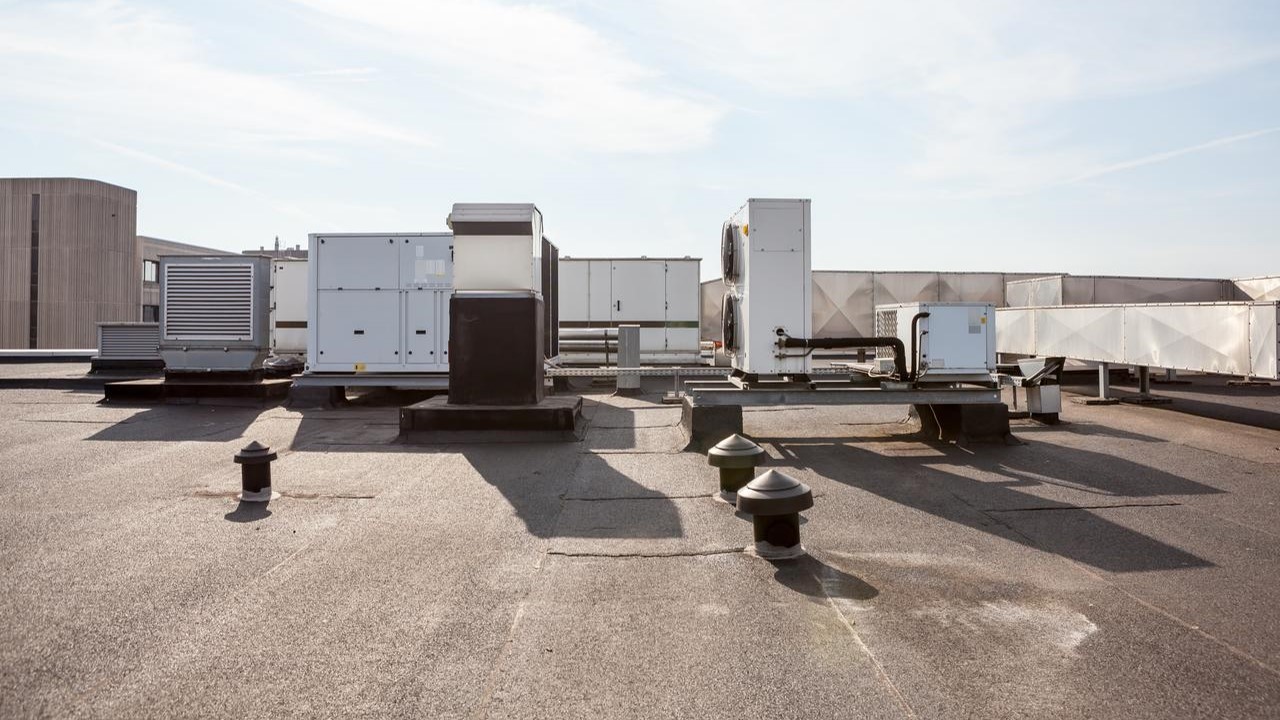
Roofs Inspection and Maintenance

Safe travel by air

Chubb risk bulletin - Reduced occupancy and premises shutdown
No part of this article may be reproduced in any written, electronic, recording, or printed form without written permission of Chubb.
Disclaimer - All contents of this article are intended for general information/guidance purposes only and not intended to be an offer or solicitation of insurance products or personal advice or a recommendation to any individual or business of any product or service. This article should not be relied on for legal advice or policy coverage and cannot be viewed as a substitute to obtaining proper legal or other professional advice, or for reading the policy documents. You should read the policy documents to determine whether any of the insurance product(s) discussed are right for you or your business, noting different limits, exclusions, terms and conditions apply in each country or territory, and not all cover is available in all countries or territories.