
MyHomeGuard is more than just household insurance. It provides cover for ATM assault, injuries resulting from theft, and personal accidents that occur outside your home.

Chubb leverages superior underwriting expertise and world renowned claims, account services, and financial strength to offer solutions for small and medium businesses.

Today’s multinational organizations face complex and interconnected risks. We offer insurance solutions that are tailored to global needs as well as local requirements, helping them address their risk management challenges.

New Trends for the New Generation! Be a CHUBB Slasher!

Our partners’ contributions to our success are undeniable. As one of the world’s largest and strongest insurers, we offer a range of products and services capabilities through our distribution channels to ensure yours, too.

Chubb has a proven track record of maximising ancillary revenue for more than 120 business partners across Asia Pacific.

AEON & Chubb Life join hands to secure your future.

Protect your travel adventures, home, and everyday moments with Chubb’s General Insurance. Enjoy flexible coverage from a global insurance leader and buy online in minutes—peace of mind is just a click away.

Buy life insurance online for all your needs—critical illness, accidents, and term life. Enjoy comprehensive protection, health and wellness benefits, and flexible coverage options with easy online purchase.
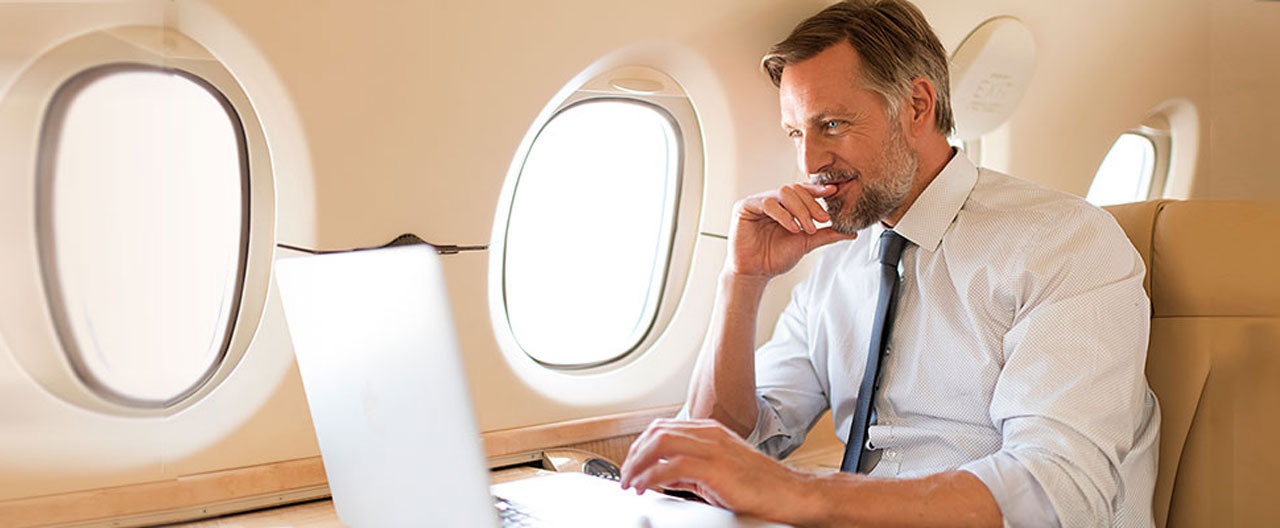
Safe travel by air
With air passenger traffic forecasted to grow in Asia Pacific, coupled with higher security concerns surrounding air travel, flying in today’s context has taken a new dimension for business travelers who are required to cross oceans to get their work done. Individual business travelers can enjoy a safe air travel experience by following this 4-step guide.
Step 1: Planning the trip
- Choose flights with the fewest number of intermediate stops. Intermediate stops provide terrorists not inclined toward suicide with opportunities to plant explosives and then deplane.
- Select your seat carefully. A seat next to an over-the-wing emergency exit is best, but a position near an alternate exit also is acceptable. To put a little distance between yourself and any confrontation in the aisle, select a window seat whenever possible.
Step 2: What to pack
- Limitations apply to baggage on all airlines. Know the limits for checked-in and cabin luggage. For the comfort and safety of all passengers, it is necessary to limit the size and weight of your cabin baggage. Try not to pack more luggage than you can carry.
- Pack all medication in your cabin baggage so it is available when you need it.
- Pack your mobile devices and power banks in your cabin baggage.
- Pack your own bags. Keep them locked at all times.
- Do be aware of the dangerous goods that you should not be bringing along. You can check out the list of dangerous goods on any airline or airport websites.
Step 3: At the airport
- Know the scheduled time of departure for your flight and plan your arrival at the airport. Allow enough time for processing. Take into consideration baggage check-in and security inspections.
- Do not loiter in the public lobby areas, which carry the highest risks of bombings and other terrorist incidents. Proceed as soon as possible to the security checkpoint and enter the restricted area where the departure gates are.
- Don't leave baggage unattended or with someone you don't know. Don't carry baggage for other people.
- Avoid people who are receiving special attention from airline employees or the press, as well as those who appear to be holding unusually animated conversations. Avoid disturbances of any kind. Move away from potential trouble, not toward it as many people are inclined to do.
- Be alert to an influx of uniformed security or police officers or to airline personnel milling about with two-way radios. If airport officials order an evacuation of the area, take a position in the center of the group with as many people around you as possible. Do not take the lead or straggle.
- Never ignore “gut” feelings. If something feels amiss, it very well may be.
- Follow your instincts to a safe place.
- If a fellow passenger appears to be acting in an unusual manner, report your suspicions to an airline employee or to the authorities.
Step 4: Inside the aircraft
- When using overhead lockers, be careful of how you stow your baggage. Don't stack your bag especially when your laptop is inside. Place them upright and side by side. This will enable others to fit their baggage in the locker, and will help prevent items from being dislodged. Baggage has been known to fall out of overhead compartments when the contents have shifted during a flight or if the compartments were overloaded.
- Overhead compartments may not be able to hold very heavy objects during turbulence. If you have trouble lifting an item up, it should not be carried on-board. Remember that under-seat space is also limited.
- In an accident, the more baggage on board, the greater the likelihood of baggage compartments spilling open, and the greater the chance of injury from flying objects. Evacuation times are slowed by baggage cluttering aisles.
- You can use your mobile phone and other personal electronic devices (PEDs) without compromising safety standards as long as you follow on-board procedures. The operator has the final say about the type of PEDs you can take on-board and the conditions of use on board their aircraft. Generally, devices need to remain in flight mode throughout the flight.
Insights and Expertise
The future worker
Self drive on your business travel

Chubb property risk bulletin: Water damage risk management
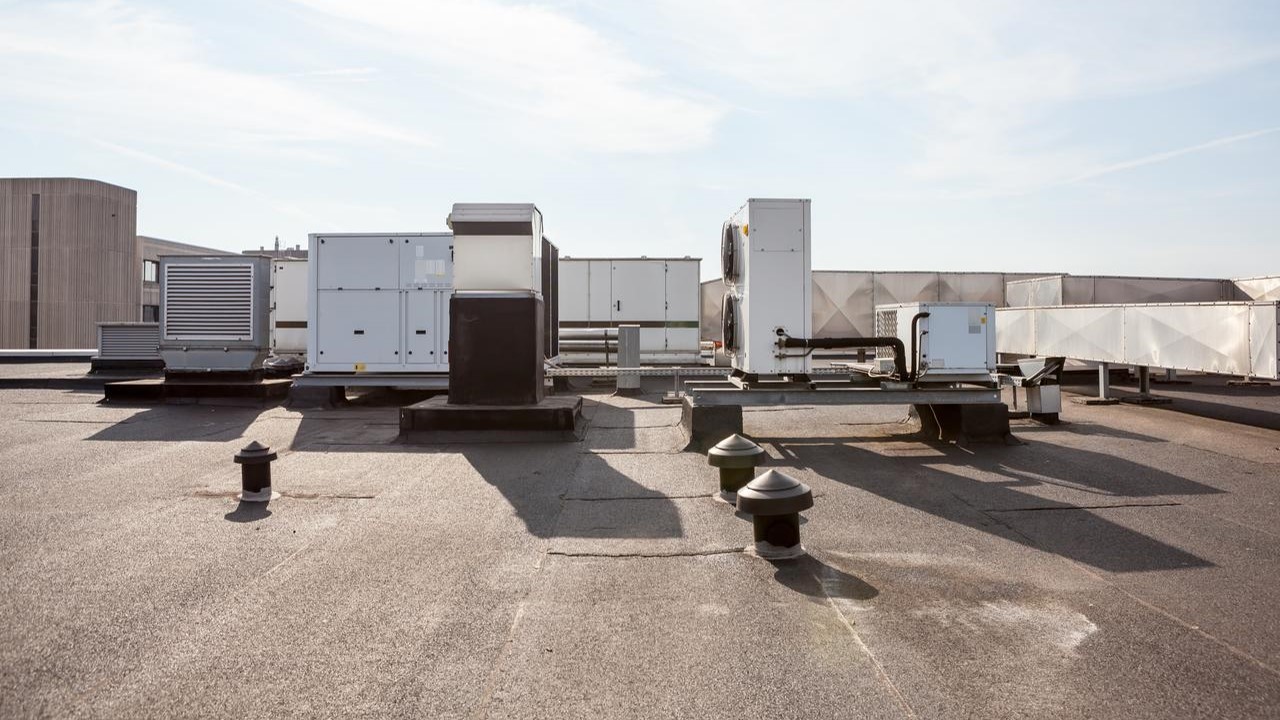
Roofs Inspection and Maintenance

Chubb risk bulletin - Reduced occupancy and premises shutdown
Rising medical costs in Asia Pacific
No part of this article may be reproduced in any written, electronic, recording, or printed form without written permission of Chubb.
Disclaimer - All contents of this article are intended for general information/guidance purposes only and not intended to be an offer or solicitation of insurance products or personal advice or a recommendation to any individual or business of any product or service. This article should not be relied on for legal advice or policy coverage and cannot be viewed as a substitute to obtaining proper legal or other professional advice, or for reading the policy documents. You should read the policy documents to determine whether any of the insurance product(s) discussed are right for you or your business, noting different limits, exclusions, terms and conditions apply in each country or territory, and not all cover is available in all countries or territories.