

MyHomeGuard is more than just household insurance. It provides cover for ATM assault, injuries resulting from theft, and personal accidents that occur outside your home.

Chubb leverages superior underwriting expertise and world renowned claims, account services, and financial strength to offer solutions for small and medium businesses.
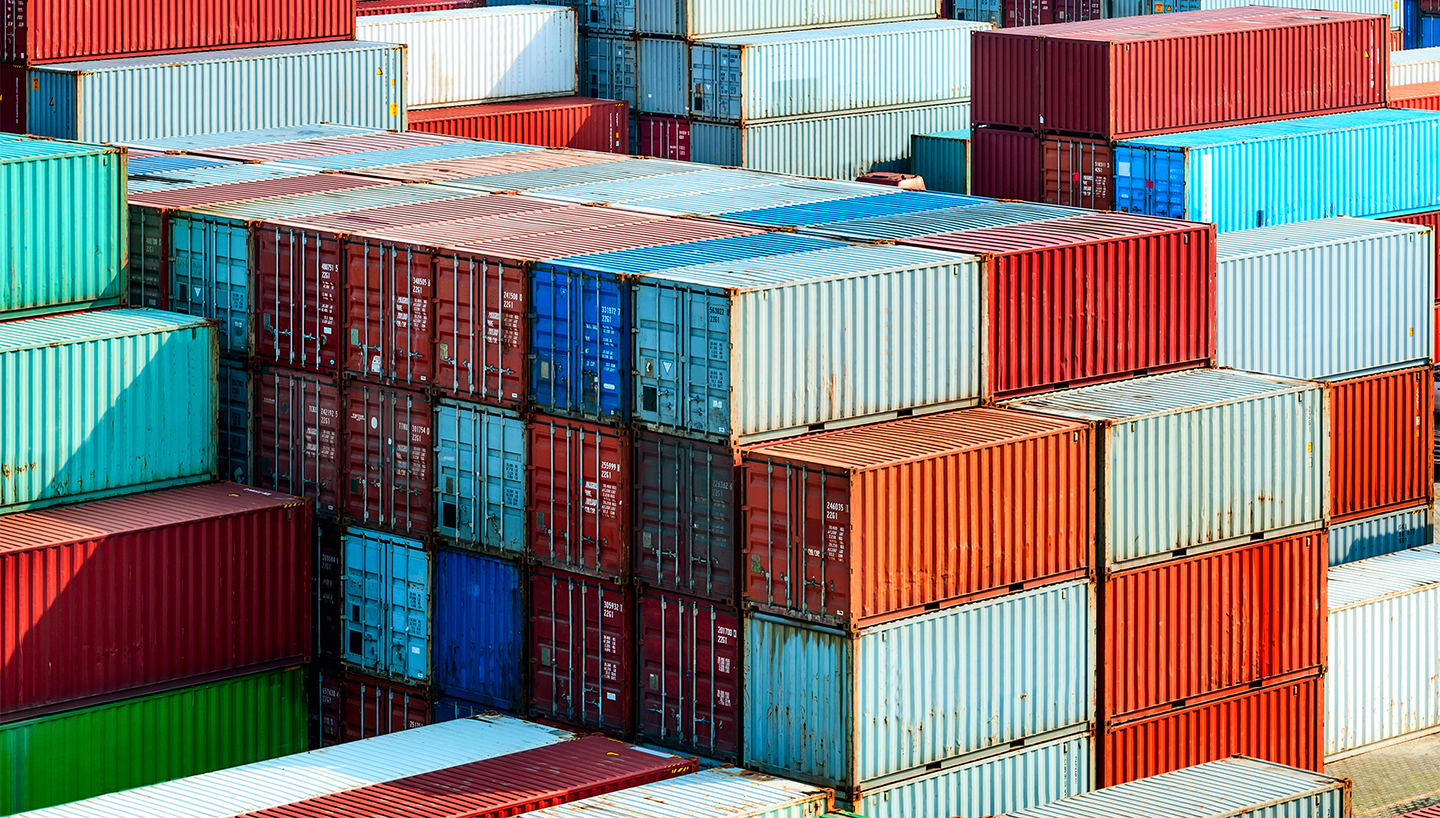
Today’s multinational organizations face complex and interconnected risks. We offer insurance solutions that are tailored to global needs as well as local requirements, helping them address their risk management challenges.

New Trends for the New Generation! Be a CHUBB Slasher!

Our partners’ contributions to our success are undeniable. As one of the world’s largest and strongest insurers, we offer a range of products and services capabilities through our distribution channels to ensure yours, too.

Chubb has a proven track record of maximising ancillary revenue for more than 120 business partners across Asia Pacific.

AEON & Chubb Life join hands to secure your future.

Protect your travel adventures, home, and everyday moments with Chubb’s General Insurance. Enjoy flexible coverage from a global insurance leader and buy online in minutes—peace of mind is just a click away.

Buy life insurance online for all your needs—critical illness, accidents, and term life. Enjoy comprehensive protection, health and wellness benefits, and flexible coverage options with easy online purchase.
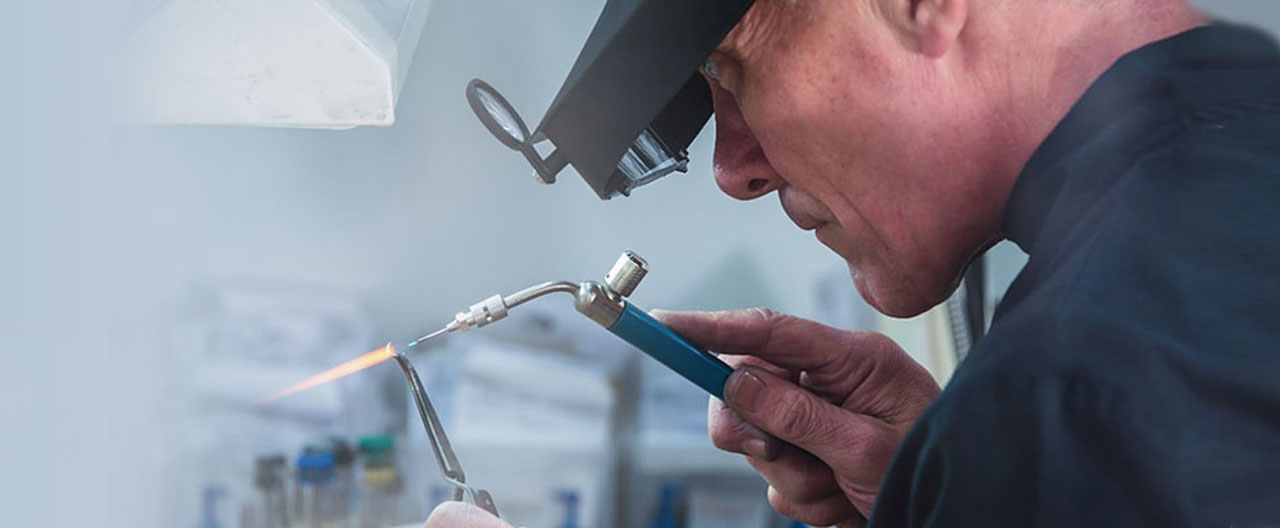
Small and medium enterprises (SMEs) across the region have experienced unprecedented growth in recent years, accounting for 96 percent of firms in ASEAN member states (ASEAN SME Policy Index). This is despite tough conditions such as increased political risks, higher business costs and a tighter labour market making it more difficult to attract the right talent.
As the business landscape across Asia-Pacific rapidly changes and expands, SMEs are exposed to even greater risks. Increased globalisation has created a greater need for business travel; workplace health and safety regulations have become more stringent; and cyber-attacks are now a common threat for businesses of all sizes. A recent Frost & Sullivan study commissioned by Microsoft revealed that, in 2017, cybersecurity threats cost organisations in Singapore US$17.7 billion in economic losses1. The study also reported that one in two organisations (53%) in Singapore have either experienced a cyber-attack, or are unsure if they had a security incident. Across Asia Pacific, potential economic losses due to cyber security breaches can amount to a staggering US$1.745 trillion2, more than seven percent of the region’s total GDP of US$24.3 trillion. However, despite these significant figures and increased risks, many SMEs are inadequately equipped with sufficient insurance coverage to keep their businesses afloat should a fortuitous event occur.
The need for adequate insurance to help businesses grow and succeed in the region has never been greater.
So how does insurance support the growth of SME’s?
- It plays a significant role in risk management by mitigating threats. Although most SMEs have insurance such as public liability to satisfy contract conditions or landlord requirements, many don’t have adequate insurance policies that indemnify them against other financial or asset losses.
- It provides much needed financial support for complex business exposure risks, such as reputational risks, trade secret risks, political or regulatory risks.
- It is crucial for sustainability. SMEs are unable to afford large losses caused by business interruptions or closures, loss of income, supply-chain delays or damage to neighbouring properties.
For SMEs, insurance premiums may seem high and insurance coverage complex, with many SME owners not having a proper understanding of the risks, or how underinsurance or having no insurance can be catastrophic to them. These businesses may not have been able to withstand the financial impacts had the right insurance policies not been in place.
Professional insurance intermediaries can help educate SMEs about how insurance adds financial stability to their business; the underlying risks SMEs face on a daily basis; and the various types of insurance SMEs can purchase to mitigate these risks. Once SMEs better understand how insurance can help their specific business and risks, they would be in a better position to thrive in the long term in this growing region. After all, sustainability is critical for any business.
Insights and Expertise

Challenges and opportunities in an evolving workplace

Why you need a risk management programme

Errors & omissions (E&O) and professional liability defined

How technology can help businesses become "Micro-Multinationals"
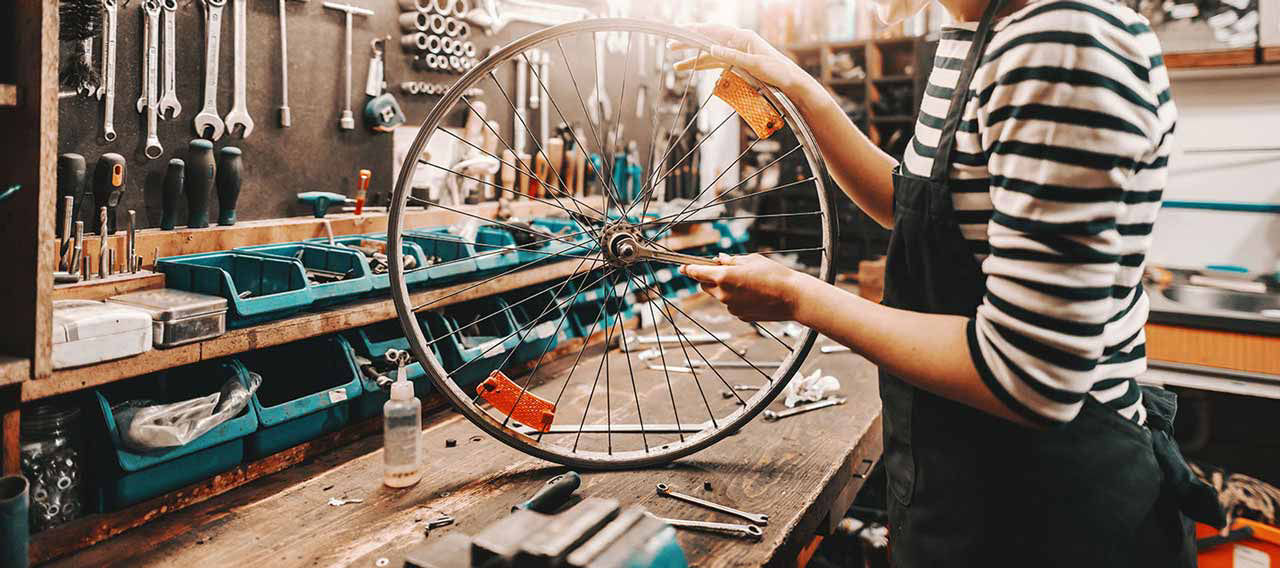
Protect business contents

Chubb risk bulletin: Business continuity planning for public health emergencies
No part of this article may be reproduced in any written, electronic, recording, or printed form without written permission of Chubb.
Disclaimer - All contents of this article are intended for general information/guidance purposes only and not intended to be an offer or solicitation of insurance products or personal advice or a recommendation to any individual or business of any product or service. This article should not be relied on for legal advice or policy coverage and cannot be viewed as a substitute to obtaining proper legal or other professional advice, or for reading the policy documents. You should read the policy documents to determine whether any of the insurance product(s) discussed are right for you or your business, noting different limits, exclusions, terms and conditions apply in each country or territory, and not all cover is available in all countries or territories.