
- Individuals & Families
- Businesses
- Partners & Advisers
- Get a Quote

Masterpiece® is Chubb’s prestige home and contents insurance offering for people with significant assets to insure who appreciate a premium level of cover and service that is customisable to their needs.

Chubb's cover options for your leisure travel.

Chubb leverages superior underwriting expertise and world renowned claims, accounts services, and financial strength to offer solutions for small and medium businesses.
Backed by our product breadth, financial strength and global network, we offer customised cover for your varied needs so that you can focus on growing your business.

Here to support you and the important work that you do.

Whether you’re a distributor or broker, you can be assured of our corporate capabilities when you partner with Chubb.

Chubb Travel Insurance establishes relationships with partners to provide personal travel insurance cover for their clients.

If you’d like to get protection from the comfort of your own kitchen, Chubb Life makes it easy. Get an instant quote from our simple online tool. You’ll be surprised about how little time it may take.

Chubb Leisure Travel Insurance can help you and your family enjoy your time overseas, knowing that should an incident happen you are Chubb-insured and there is assistance at hand.

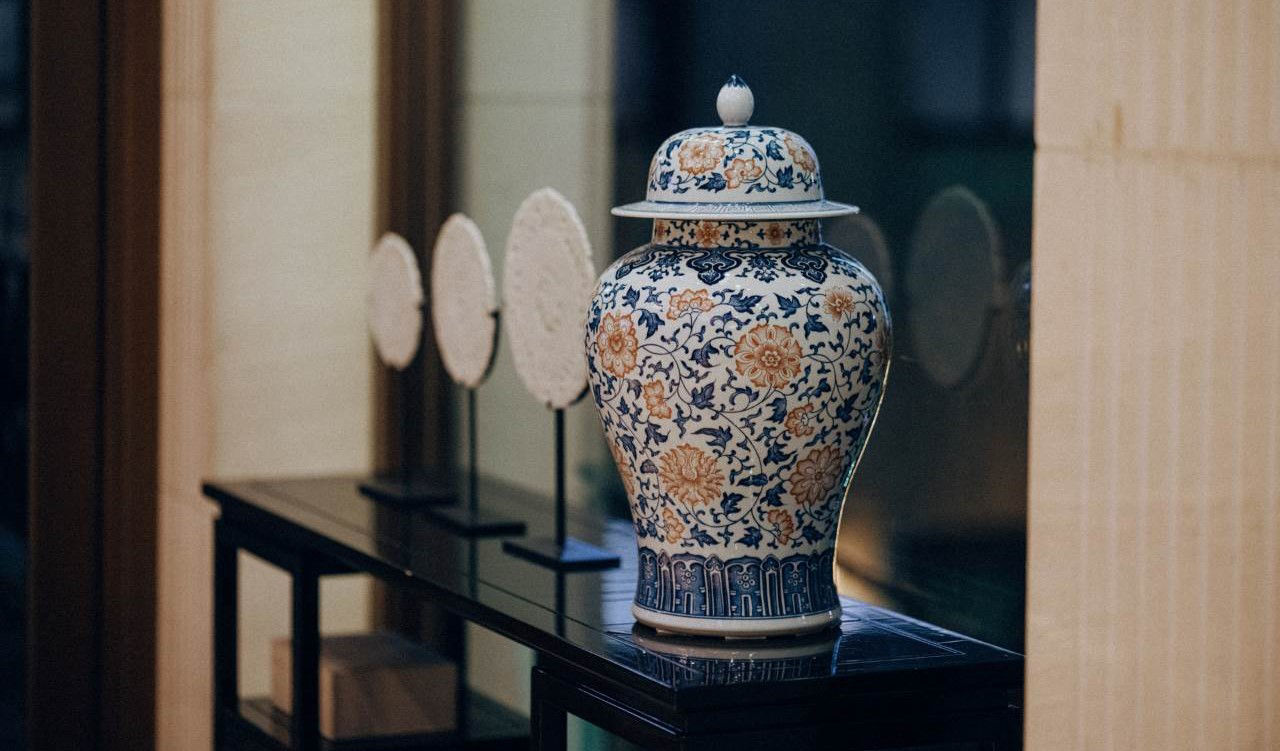
Much of the beauty of pottery lies in its delicate nature. Whether you collect contemporary ceramics, ancient vessels, tiles, sculptures, or dolls, displaying pottery can be challenging without risking damage. In New Zealand, where coastal conditions, humidity, and changing weather can present unique risks, it’s important to balance display with preservation.
Display as decorative art
Pottery, especially low-fired or porous pieces, is best appreciated as decorative art rather than for its original function. Many traditional vessels, including Māori and international pieces, were designed for everyday use but are vulnerable to water absorption, erosion, and salt damage. In New Zealand’s climate, avoid using pottery for holding water or food, and instead showcase it in a way that highlights its artistic value.
Choose a safe and stable location
Find a permanent, secure spot for each piece and avoid moving it unnecessarily. The greatest risk to decorative ceramics is poor handling—thin rims, delicate handles, and weak joins are all prone to breakage. When moving pottery is unavoidable, always use both hands, lift from the base, and consider wearing cotton gloves to prevent fingerprints or oils from affecting the surface. In homes with children or pets, place valuable pieces out of reach and away from high-traffic areas.
Cleaning and maintenance
It’s generally best to avoid cleaning pottery unless absolutely necessary. Dust gently with a soft brush and never use water, as some ceramics—especially those that are unevenly fired or simply baked—can dissolve or become damaged. Avoid household cleaners or abrasive materials, which can scratch or dull glazes. If your piece requires more than light dusting, consult a professional conservator.
Professional restoration over DIY
If your pottery is damaged, resist the urge to attempt repairs yourself. Professional conservators in New Zealand are trained to restore ceramics using reversible and non-invasive techniques that preserve both the appearance and value of your piece. Amateur repairs can cause irreversible damage and significantly reduce the value of collectible pottery.
Insurance and documentation
Standard home and contents insurance may not provide adequate cover for valuable ceramics. Review your policy’s policy wording for sub-limits and exclusions. For high-value collections, consider specialised valuables or contents insurance, such as Chubb Masterpiece®, which offers broader insurance for fine art and collectibles. Maintain a detailed inventory with photographs, purchase records, and any provenance documentation to support claims and preserve your collection’s history.
By displaying your pottery as art, choosing safe locations, protecting from environmental hazards, and relying on professional care and insurance, you can enjoy your collection with confidence. These steps help ensure your ceramics remain beautiful and valuable for generations to come, no matter where you live in New Zealand.
Experience exceptional insurance with Chubb Masterpiece
Enjoying your pottery collection means more than simply displaying it—it’s about ensuring its lasting beauty and value through careful handling, environmental protection, and professional maintenance. However, even with the best precautions, accidents and unforeseen events can occur. That’s why it’s important to consider Contents coverage as part of Chubb Masterpiece®, for your insurance needs. This policy is designed to provide comprehensive insurance for valuable collections, including pottery, offering broader coverage and expert support. With Chubb Masterpiece coverage, you can showcase your ceramics confidently, knowing they’re safeguarded by a policy crafted for life’s most treasured possessions.
Insights and expertise

Why designer handbags are worth investing in
How to preserve different types of art

How to build a sports memorabilia collection worth keeping

Five key tips for buying collectible wine
This content is brought to you by Chubb Insurance New Zealand Limited (“Chubb”) as a convenience to readers and is not intended to constitute advice (professional, financial or otherwise) or recommendations upon which a reader may rely. Any references to insurance cover are general in nature only and may not suit your particular circumstances. Chubb does not take into account your personal objectives, financial situation or needs and any insurance cover referred to is subject to the terms, conditions and exclusions set out in the relevant policy wording. Please obtain and read carefully the relevant insurance policy before deciding to acquire any insurance product. A policy wording can be obtained at www.chubb.com/nz-en through your broker or by contacting any of the Chubb offices. Chubb makes no warranty or guarantee about the accuracy, completeness, or adequacy of the content. Readers relying on any content do so at their own risk. It is the responsibility of the reader to evaluate the quality and accuracy of the content. Reference in this content (if any) to any specific commercial product, process, or service, and links from this content to other third party websites, do not constitute or imply an endorsement or recommendation by Chubb and shall not be used for advertising or service/product endorsement purposes. ©2026 Chubb Insurance New Zealand Limited Company No. 104656 FSP No. 35924. Chubb®, its logos, and Chubb.Insured.℠ are protected trademarks of Chubb.