
- Individuals & Families
- Businesses
- Partners & Advisers
- Get a Quote

Masterpiece® is Chubb’s prestige home and contents insurance offering for people with significant assets to insure who appreciate a premium level of cover and service that is customisable to their needs.

Chubb's cover options for your leisure travel.

Chubb leverages superior underwriting expertise and world renowned claims, accounts services, and financial strength to offer solutions for small and medium businesses.
Backed by our product breadth, financial strength and global network, we offer customised cover for your varied needs so that you can focus on growing your business.

Here to support you and the important work that you do.

Whether you’re a distributor or broker, you can be assured of our corporate capabilities when you partner with Chubb.

Chubb Travel Insurance establishes relationships with partners to provide personal travel insurance cover for their clients.

If you’d like to get protection from the comfort of your own kitchen, Chubb Life makes it easy. Get an instant quote from our simple online tool. You’ll be surprised about how little time it may take.

Chubb Leisure Travel Insurance can help you and your family enjoy your time overseas, knowing that should an incident happen you are Chubb-insured and there is assistance at hand.

Fine art is a significant investment and a source of cultural value, whether it’s displayed in your home, a gallery, or kept in storage. In New Zealand, coastal conditions, humidity, and seasonal temperature changes require special attention to preservation. Understanding the needs of different materials and media is key to ensuring your collection remains in pristine condition for generations.
Panel paintings: managing climate risks
Panel paintings, especially those on wood, are highly sensitive to environmental changes. New Zealand weather can be unpredictable, with humidity shifts during wet periods and dry indoor air in winter. Wood panels may crack or warp if exposed to fluctuating temperatures or humidity. To protect these works, stabilise your environment to around 20°C and maintain humidity at approximately 45%. If central humidification isn’t available, use dehumidifiers in humid regions and humidifiers in dry climates. Avoid placing panel paintings near windows, heaters, or air conditioning vents, as these areas are prone to rapid environmental changes.
Oil on canvas: preventing environmental damage
Oil paintings on canvas are susceptible to cracking and deformation, especially in New Zealand’s variable climate. Canvas supports can stretch or shrink, and paint layers may separate if exposed to extreme conditions.
Keep your collection in rooms with stable temperature and humidity, and avoid hanging paintings above fireplaces or in direct sunlight. If your home lacks climate control, consider investing in portable systems to maintain consistency.
Art on paper: combatting acid and foxing
Paper-based artworks, including prints and drawings, are vulnerable to acid deterioration and foxing—rust-coloured spots caused by humidity and impurities. Many commercial papers used in New Zealand contain acidic elements, which accelerate deterioration. To minimise damage, frame your pieces using archival materials and acid-free backing. Store paper art in climate-controlled environments and avoid mounting on acidic boards. If foxing appears, consult a professional conservator for cleaning and restoration.
Vases and bowls: handling and display
Ceramic and glass vases, bowls, and vessels are prone to breakage, scratches, and cracks. When moving these items, always carry them by the base rather than the neck or lip. Display them in secure cabinets or on sturdy shelves, away from high-traffic areas and out of reach of children and pets. In regions prone to earthquakes or tremors, consider using museum putty or adhesive pads to anchor fragile pieces.
Sculptural objects: ensuring stability
Sculptures and three-dimensional art require stable display surfaces. Place them on stands or shelves that can support their weight and size, and avoid positioning them near doorways or busy corridors. When cleaning, use gentle methods and avoid bumping or knocking the artwork. For outdoor sculptures, consider the impact of sun, rain, and salt air—regular maintenance and protective coatings may be necessary.
Photographs, watercolours, inks, and textiles: protecting from UV exposure
New Zealand sunlight is intense and can quickly fade photographs, watercolours, works with coloured inks, and textiles. Avoid using picture lights mounted on frames, as they generate heat and pose a risk of damage. Display these works on interior walls, away from direct sunlight and plumbing. Use recessed or ceiling-mounted lighting, keep curtains drawn, and turn off lights when not in use. Install UV-filtering film on windows and rotate artwork in and out of storage to limit exposure.
Proper framing for paper and textiles
Improper framing can cause irreversible damage to works on paper and textiles. Use museum-quality, archival materials such as acid-free ragboard or blueboard for mounting and backing. Ensure adhesives are archival and reversible. Matting and archival hinging prevent items from adhering to glazing, especially in humid environments.
Powdery or loose pigment artworks: preventing static and contamination
Artworks with powdery or loose pigments, like pastels or charcoal, are vulnerable to static build-up and contamination. Frame these pieces with UV glass or museum glass and use a protective dust-seal backing. This prevents dirt, dust, and insect intrusion, which can be a concern in New Zealand homes.
Comprehensive insurance with Chubb Masterpiece
Even with careful preservation, accidents and environmental events can occur. Standard home and contents insurance often falls short for high-value art collections. Consider specialised contents or valuable articles coverage, such as Chubb Masterpiece®, which offers comprehensive insurance for fine art and collectibles. These policies provide broader coverage and expert support, , ensuring your collection is safeguarded against loss, damage, and theft.
By understanding the unique challenges posed by New Zealand’s climate and lifestyle, and by applying best practices in storage, display, and maintenance, you can protect your art collection for years to come. With the added security of Chubb Masterpiece insurance, you can enjoy your collection knowing it’s insured by a policy crafted for life’s most treasured works.
Insights and expertise

Why designer handbags are worth investing in
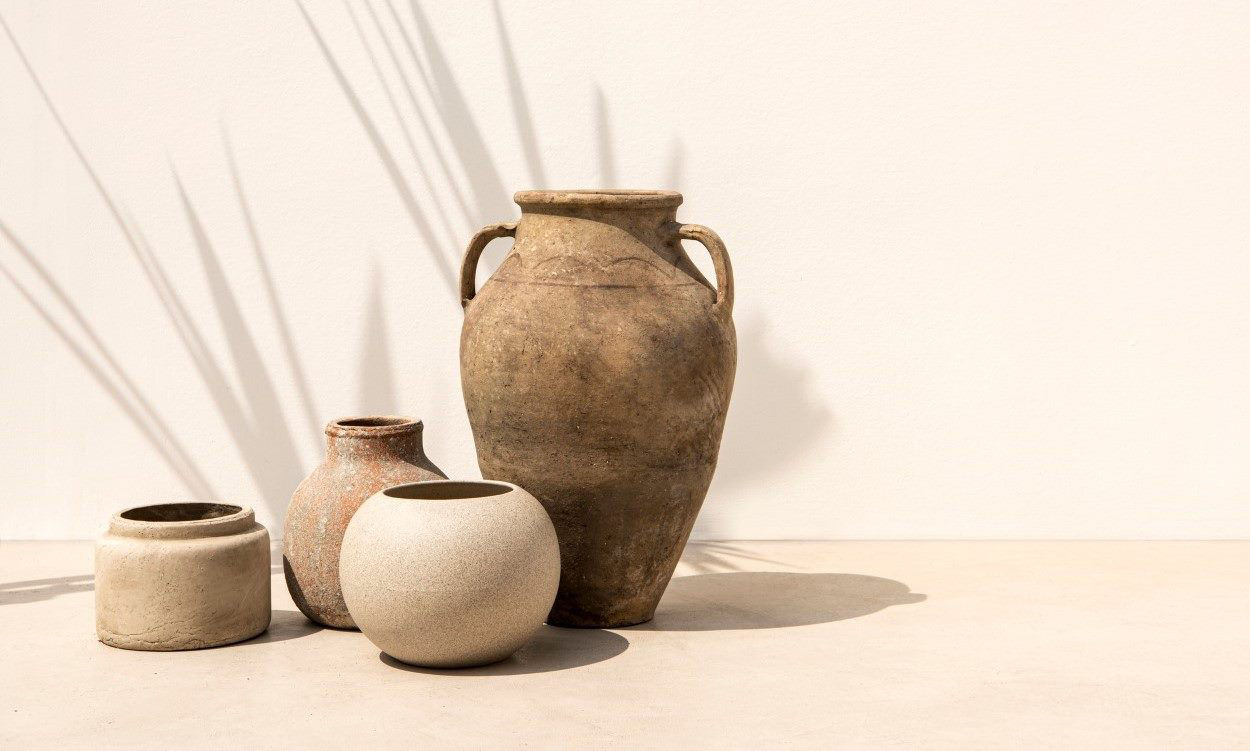
How to showcase and protect your pottery

How to build a sports memorabilia collection worth keeping

Five key tips for buying collectible wine
This content is brought to you by Chubb Insurance New Zealand Limited (“Chubb”) as a convenience to readers and is not intended to constitute advice (professional, financial or otherwise) or recommendations upon which a reader may rely. Any references to insurance cover are general in nature only and may not suit your particular circumstances. Chubb does not take into account your personal objectives, financial situation or needs and any insurance cover referred to is subject to the terms, conditions and exclusions set out in the relevant policy wording. Please obtain and read carefully the relevant insurance policy before deciding to acquire any insurance product. A policy wording can be obtained at www.chubb.com/nz-en through your broker or by contacting any of the Chubb offices. Chubb makes no warranty or guarantee about the accuracy, completeness, or adequacy of the content. Readers relying on any content do so at their own risk. It is the responsibility of the reader to evaluate the quality and accuracy of the content. Reference in this content (if any) to any specific commercial product, process, or service, and links from this content to other third party websites, do not constitute or imply an endorsement or recommendation by Chubb and shall not be used for advertising or service/product endorsement purposes. ©2026 Chubb Insurance New Zealand Limited Company No. 104656 FSP No. 35924. Chubb®, its logos, and Chubb.Insured.℠ are protected trademarks of Chubb.