
- Individuals & Families
- Businesses
- Partners & Advisers
- Get a Quote

Masterpiece® is Chubb’s prestige home and contents insurance offering for people with significant assets to insure who appreciate a premium level of cover and service that is customisable to their needs.

Chubb's cover options for your leisure travel.

Chubb leverages superior underwriting expertise and world renowned claims, accounts services, and financial strength to offer solutions for small and medium businesses.

Backed by our product breadth, financial strength and global network, we offer customised cover for your varied needs so that you can focus on growing your business.

Here to support you and the important work that you do.

Whether you’re a distributor or broker, you can be assured of our corporate capabilities when you partner with Chubb.

Chubb Travel Insurance establishes relationships with partners to provide personal travel insurance cover for their clients.

If you’d like to get protection from the comfort of your own kitchen, Chubb Life makes it easy. Get an instant quote from our simple online tool. You’ll be surprised about how little time it may take.

Chubb Leisure Travel Insurance can help you and your family enjoy your time overseas, knowing that should an incident happen you are Chubb-insured and there is assistance at hand.

Investing in wine is a pursuit that blends passion with the potential for financial return. In New Zealand, where wine culture is thriving and local producers are gaining international recognition, building a collection requires careful planning and knowledge of both the market and the unique conditions for storage and enjoyment.
As you look for wines to buy, try to follow these simple tips:
1. Selecting wines with investment potential
With thousands of wine producers globally, only a small fraction consistently produce bottles considered investment-grade. New Zealand regions such as Marlborough, Central Otago, Hawke’s Bay, and Martinborough are renowned for collectible wines, but don’t overlook emerging regions that may offer future value. Investment-worthy wines typically start at around $100 per bottle. While it’s wise to focus on established producers, remember that wine is meant to be enjoyed. Explore beyond the classics to include bottles you genuinely appreciate, as not every wine will appreciate in value.
2. Purchase from reputable sources.
Authenticity and provenance are crucial in the wine market. Always purchase fine and rare wines from reputable retailers or auction houses. New Zealand collectors can use resources like Wine-Searcher to compare prices and verify sellers, and local auction sites such as Langton’s for access to premium lots. Be aware of buyer’s premiums, which can add to the final price at auction. Researching market guides and auction results helps you set realistic bids and avoid overpaying.
3. Consider a three-tiered cellar.
If you’re actively drinking wine and looking for potential returns, you may want to consider accumulating wine in a three-tiered cellar approach.
- Tier 1: Wines you drink on a regular basis. These are meant to be drunk and will have a lower price point.
- Tier 2: Wines that have the potential to increase in value but are priced low enough that you don’t feel bad drinking some.
- Tier 3: Wines with true investment potential. These should be set aside for a number of years before either drinking or selling.
4. Buy in case quantities.
When adding to your collection, consider purchasing wine in case quantities—commonly three, six, or twelve bottles. Keeping bottles in their original cases can enhance their value, as collectors and buyers often prefer complete, untouched cases. It’s also wise to buy an extra bottle or two for personal tasting, allowing you to monitor how the wine is aging. Understanding the optimal drinking window for each wine ensures you can enjoy or sell it at its peak, rather than after it has passed maturity.
5. Research futures before you buy.
The en primeur, or wine futures, system is popular for French wines and is increasingly accessible to collectors. This system involves purchasing wine while it is still aging in cask, often years before it’s bottled and shipped. Buying futures requires patience and thorough research into the producer’s reputation, historical pricing, and the quality of the vintage. While this can be a way to secure sought-after wines at favourable prices, it carries risks, so only buy from trusted negociants or brokers.
Storage and protection in the New Zealand climate
New Zealand’s climate can be challenging for wine storage, with humidity, seasonal temperature changes, and in some areas coastal conditions to consider. Invest in a temperature-controlled wine fridge or cellar, maintaining a consistent 12–14°C and humidity around 70%. Avoid storing wine in garages or sheds, where temperature fluctuations are common. Proper storage preserves both the quality and value of your collection.
Insuring your collection
Building a wine collection in New Zealand is both an art and a science and a valuable wine collection deserves comprehensive insurance. Standard home and contents insurance may not cover the full value of collectible wine, especially in cases of accidental damage, theft, or temperature-related spoilage. Consider Chubb Masterpiece®, which offers tailored coverage for wine collections, including accidental breakage, spoilage due to power failure, and worldwide cover. With the right insurance, you can enjoy your collection with confidence, knowing it’s safeguarded against unexpected events.
Source: wineadvise.com
Insights and expertise

Why designer handbags are worth investing in
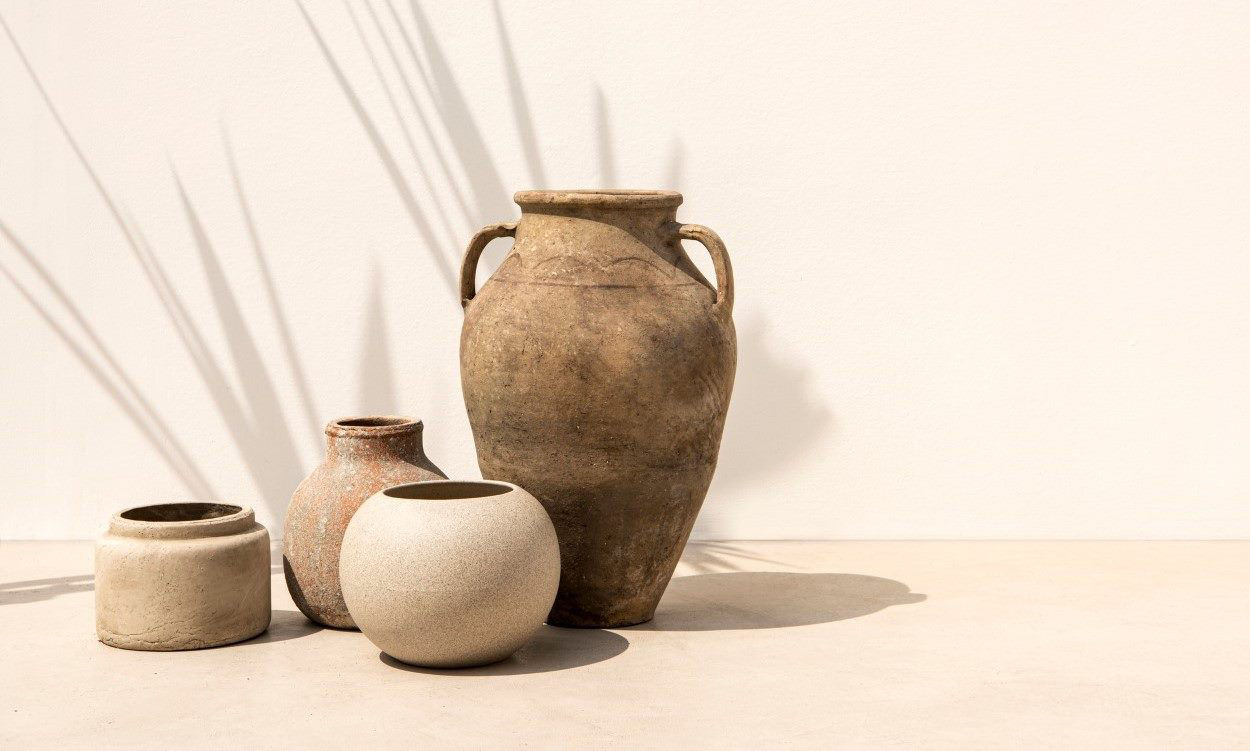
How to showcase and protect your pottery
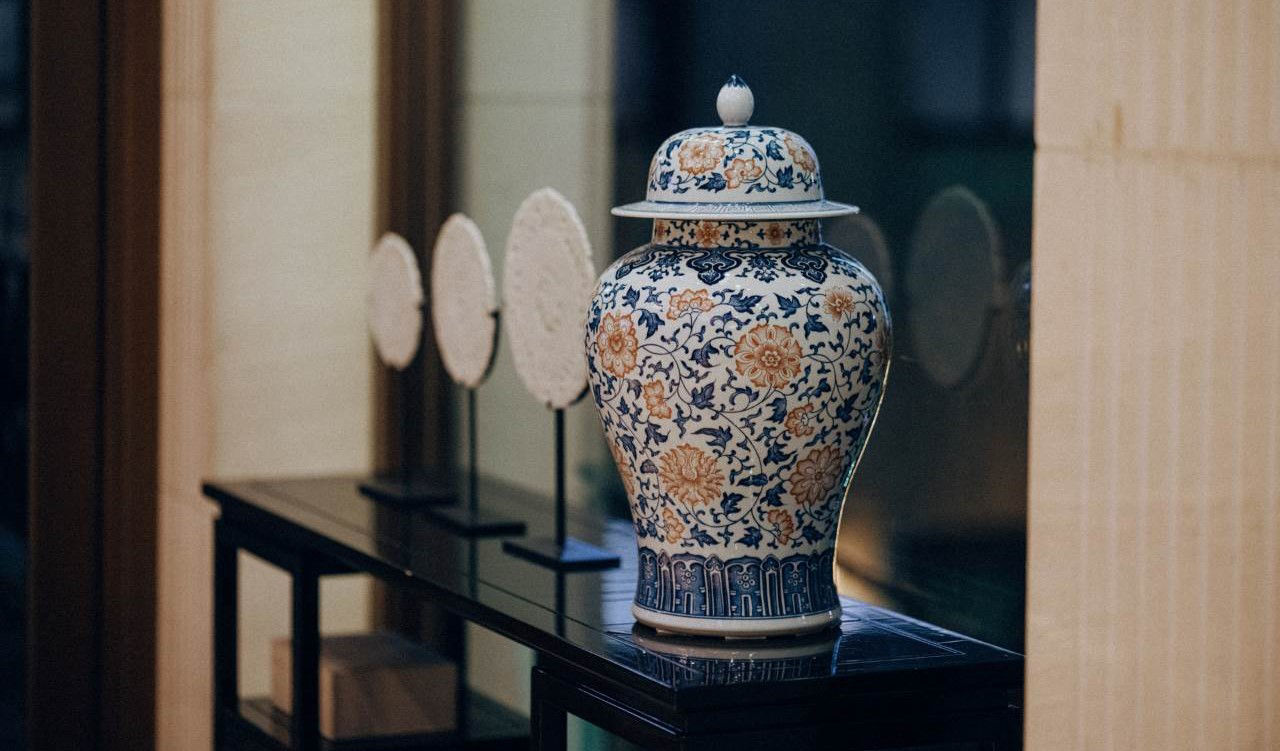
How to preserve different types of art

How to build a sports memorabilia collection worth keeping
This content is brought to you by Chubb Insurance New Zealand Limited (“Chubb”) as a convenience to readers and is not intended to constitute advice (professional, financial or otherwise) or recommendations upon which a reader may rely. Any references to insurance cover are general in nature only and may not suit your particular circumstances. Chubb does not take into account your personal objectives, financial situation or needs and any insurance cover referred to is subject to the terms, conditions and exclusions set out in the relevant policy wording. Please obtain and read carefully the relevant insurance policy before deciding to acquire any insurance product. A policy wording can be obtained at www.chubb.com/nz-en through your broker or by contacting any of the Chubb offices. Chubb makes no warranty or guarantee about the accuracy, completeness, or adequacy of the content. Readers relying on any content do so at their own risk. It is the responsibility of the reader to evaluate the quality and accuracy of the content. Reference in this content (if any) to any specific commercial product, process, or service, and links from this content to other third party websites, do not constitute or imply an endorsement or recommendation by Chubb and shall not be used for advertising or service/product endorsement purposes. ©2026 Chubb Insurance New Zealand Limited Company No. 104656 FSP No. 35924. Chubb®, its logos, and Chubb.Insured.℠ are protected trademarks of Chubb.