
- Individuals & Families
- Businesses
- Partners & Advisers
- Get a Quote

Masterpiece® is Chubb’s prestige home and contents insurance offering for people with significant assets to insure who appreciate a premium level of cover and service that is customisable to their needs.

Chubb's cover options for your leisure travel.

Chubb leverages superior underwriting expertise and world renowned claims, accounts services, and financial strength to offer solutions for small and medium businesses.

Backed by our product breadth, financial strength and global network, we offer customised cover for your varied needs so that you can focus on growing your business.

Here to support you and the important work that you do.

Whether you’re a distributor or broker, you can be assured of our corporate capabilities when you partner with Chubb.

Chubb Travel Insurance establishes relationships with partners to provide personal travel insurance cover for their clients.

If you’d like to get protection from the comfort of your own kitchen, Chubb Life makes it easy. Get an instant quote from our simple online tool. You’ll be surprised about how little time it may take.

Chubb Leisure Travel Insurance can help you and your family enjoy your time overseas, knowing that should an incident happen you are Chubb-insured and there is assistance at hand.

Contents insurance is not about buying broad protection and hoping for the best – it is about planning. The right policy should reflect the true value of your possessions, the way you live, and the level of risk you are comfortable carrying.
Many affluent households hold far more value in contents than they realise. Designer furniture, fine art, jewellery, watches, collectibles, premium electronics, and bespoke items can quickly add up. Underinsuring these assets can create a significant gap at claim time. Overinsuring them can mean paying for cover that does not add meaningful value.
Start with a proper valuation
The foundation of the right policy is an accurate assessment of what your contents are worth today, not what you paid for them years ago.
A cohesive contents review should consider:
- replacement cost, not purchase price
- individual high-value items and collections
- jewellery, watches, art, antiques, and luxury goods
- contents stored in secondary residences, wine cellars, or outbuildings
- items that may require separate specified cover
- bespoke collection items, such as high-value and rare coins and stamps
This is where a detailed inventory matters. An affluent household often contains assets that are easy to overlook but expensive to replace.
Match cover to lifestyle, not assumptions
Your cover should reflect how you live, travel, entertain, and store valuables.
Consider whether your policy should account for:
- multiple residences
- staff or frequent visitors
- home offices with high-value equipment
- portable valuables taken between properties
- collections that appreciate over time
The goal is to ensure your policy is tailored, not templated.
Choose an excess that suits your risk strategy
For affluent clients, the excess is not just a cost lever. It is part of the broader risk strategy.
A higher excess may reduce premium outlay, but it should only be chosen if it is genuinely immaterial to your finances and comfortable in the event of a claim. A lower excess may offer greater convenience and certainty, particularly where you prefer to avoid friction at claim time.
The right question is not simply, “What is the cheapest option?” It is, “What level of excess aligns with how I manage risk?”
Avoid underinsurance and unnecessary duplication
As a property owner, you may often have layered insurance across home, contents, valuables, travel, and sometimes specialist policies. That makes regular review essential.
What you may want to watch out for may include:
- outdated sums insured
- duplicated cover across policies
- items that now exceed standard policy limits
- assets that need specialist valuation or listing
- changes in lifestyle, residence, or collection value
A well-structured policy should eliminate gaps without creating overlap.
Review your cover regularly
Luxury assets are not static, which means their value, location, and usage can change over time. That is why contents cover should be reviewed:
- after major purchases
- after renovations or relocations
- after acquiring art, jewellery, or collectibles
- after changes to household structure
- at least annually
The premium approach to contents insurance
Annual review is not administrative housekeeping. It is part of disciplined wealth protection.
The best contents insurance for households is not the most expensive policy, but the most appropriate one. It should be calibrated to the real value of your possessions, the complexity of your lifestyle, and the level of certainty you want if something goes wrong.
Standard home and contents policies in New Zealand often fall short when it comes to covering contents for affluent individuals and families. That’s why it’s worth considering luxury contents coverage, such as Chubb Masterpiece®. With the right insurance in place, you can focus on appreciating your valuables and collections, secure in the knowledge that it’s safeguarded for the future.
Insights and expertise

Why designer handbags are worth investing in
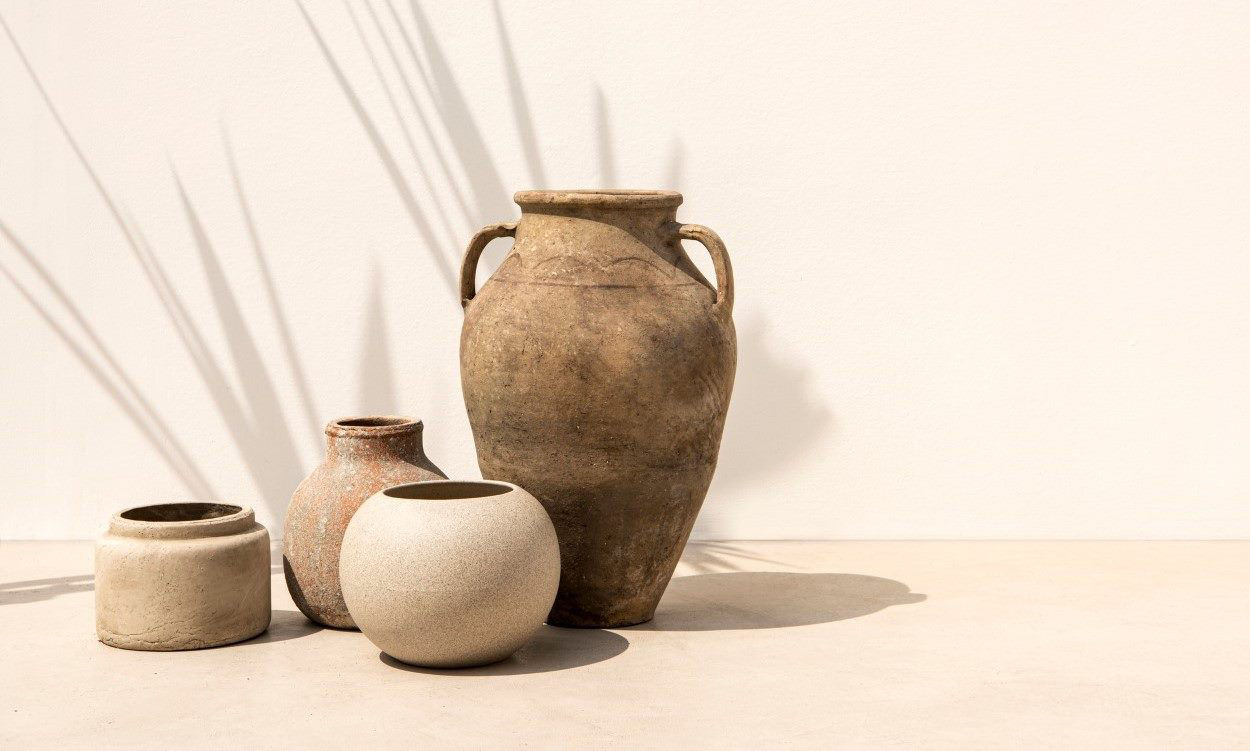
How to showcase and protect your pottery
How to preserve different types of art

How to build a sports memorabilia collection worth keeping
This content is brought to you by Chubb Insurance New Zealand Limited (“Chubb”) as a convenience to readers and is not intended to constitute advice (professional, financial or otherwise) or recommendations upon which a reader may rely. Any references to insurance cover are general in nature only and may not suit your particular circumstances. Chubb does not take into account your personal objectives, financial situation or needs and any insurance cover referred to is subject to the terms, conditions and exclusions set out in the relevant policy wording. Please obtain and read carefully the relevant insurance policy before deciding to acquire any insurance product. A policy wording can be obtained at www.chubb.com/nz-en through your broker or by contacting any of the Chubb offices. Chubb makes no warranty or guarantee about the accuracy, completeness, or adequacy of the content. Readers relying on any content do so at their own risk. It is the responsibility of the reader to evaluate the quality and accuracy of the content. Reference in this content (if any) to any specific commercial product, process, or service, and links from this content to other third party websites, do not constitute or imply an endorsement or recommendation by Chubb and shall not be used for advertising or service/product endorsement purposes. ©2026 Chubb Insurance New Zealand Limited Company No. 104656 FSP No. 35924. Chubb®, its logos, and Chubb.Insured.℠ are protected trademarks of Chubb.