
- Individuals & Families
- Businesses
- Brokers

From your home and valuables, to prized collections and jewellery, you have a lot to insure. When you insure your home and contents with Chubb, you will receive a high level of service from an insurer who is specialised in working with successful individuals with high value assets.

For professionals in their first luxury apartment, villa or townhouse through to retirees downsizing from a family house, Masterpiece is also ideal for owners and tenants living in luxury apartments, villas and townhouses.

From high-value homes and fine art collections to luxury vehicles and more, we are here to help ensure that what you treasure most is treated with expertise.

With more than 25 years of experience providing travel insurance to Australians, Chubb Leisure Travel Insurance can help protect you and your family while you travel overseas, knowing Chubb support is there if an incident occurs.

Chubb leverages superior underwriting expertise and world renowned claims, account services, and financial strength to offer insurance solutions for small and medium businesses.

Today's multinational organizations face complex and interconnected risks. We offer insurance solutions that are tailored to global needs as well as local requirements, helping them address their risk challenges.

Our broker resources centre provides you with the latest updates, insights, sales tools, training and much more.
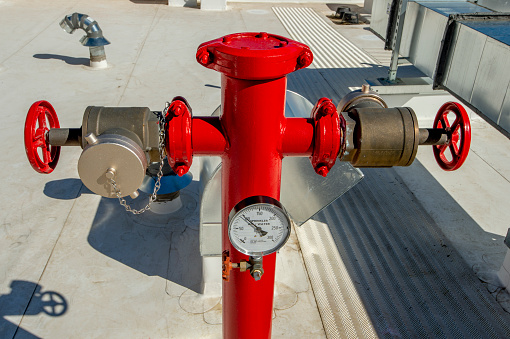
There is a risk of fires escalating into full scale disasters in multi-storey apartment buildings. For facility managers, emergency evacuation plans refer to a document containing the policies and procedures for responding to any emergency quickly and safely. In the event of an emergency, such as a fire, active threat or a natural disaster, occupants need to know how to identify and respond in a timely manner.
Responsibilities of management
Owners and managers of building complexes have a responsibility to ensure that systems and procedures are in place, so that minor incidents do not escalate into full scale emergencies. In the rare occasion that they do escalate, occupants should be warned and efficiently evacuated to safety.
As a result, people should be more cognisant of ways to protect their safety and security. These concerns are particularly strong amongst those living in major cities, especially those living in high-rise and multi-unit dwellings which bring a complex set of circumstances to the safety and security of residences.
Planning for apartment complexes
The risk in apartment buildings is high due to the large number of people residing in complexes, in relatively condensed spaces. The dangers are compounded by the variety of possible activities, such as smoking, cooking, BBQs, or the use of heaters, as well as common fire safety defects such as unsealed penetrations in fire walls, combustible Aluminium Composite Panels (ACP) on the facade and incorrectly installed fire dampers.
The evacuation of residential buildings is more complex compared to office buildings. Residential buildings have different occupant issues to consider, such as those who may be very young, old, mentally or physically impaired, and dangers can happen at any hour of the day or night. Consideration must also be given to people from non-English speaking backgrounds. Therefore, buildings with installed sprinklers may be more suited to phased evacuation or protect in place evacuation strategies.
People who have to exit a burning apartment or building are likely to be under significant psychological stress. They may even be under physical stress if they cannot locate the escape routes when power is cut or their visibility is impaired by smoke. Emergency procedures and evacuation plans must be simple and communicated to all occupants well in advance. Evacuation routes must be direct, well-marked, kept clear and accessible at all times.
Any passive fire protection systems such as fire doors and smoke vents must be well maintained and unimpeded. All residents must know the importance of these systems. Manual and automatic fire fighting systems must be installed and maintained as per relevant standards. Residents and other relevant personal should be trained in their location, operation and use.
Emergency training
According to Australian Standards ‘Planning for emergencies in facilities’ (AS 3745-2010), the focus on emergency procedures for building occupants defines an emergency as, “any event which arises internally, or from external sources, which may adversely affect the occupants or visitors in a facility, and which requires an immediate response”. This could include fire, structural failure, equipment failure, toxic spills, cyclone, earthquake, terrorism, bomb threats and civil unrest.
There are obligations on owners, occupiers and controllers of premises to ensure the safe departure of people in the event of an emergency, which can be legally enforced.
Building owners and managers should ensure that leases not only cover the safety of the occupants in an emergency, but should also allow occupants to participate in emergency planning, evacuation exercises and acknowledge the authority of designated wardens in emergency situations.
As a result, the following should be in place:
- Emergency procedures must be developed and reviewed at least every 12 months.
- All management staff are inducted into the organisation’s emergency procedures.
- Wardens should be trained every six months.
- Records must be maintained of who has been trained and what was covered in the training.
- All occupants must take part in a building evacuation at least every 12 months.
Since physical evacuation drills can be very difficult to perform in some large residential complexes, a yearly reminder of emergency procedures can be sent to residents. This can be supplied during the Annual General Meeting or an annual mail-out can be delivered to all residents in-lieu of physical drills.
Under various state building and safety regulations, property owners and managers are obligated annually to verify that essential services/safety measures (inspections and maintenance) comply with statutory requirements by signing an annual statement, such as an annual fire safety statement.
These annual statements must be forwarded to the Fire Brigade and/or local council and in some cases be displayed prominently in the building.
Essential services and fire safety systems includes:
- Emergency Warning and Intercommunication System (EWIS) systems
- Automatic sprinklers or other suppression systems
- Hydrants, hose reels, portable extinguishers and blankets
- Fire detection and alarm systems
- Emergency lighting and exit signs
- Fire doors, passageways, fire stairs
- Fire dampers
- Escalators and lifts
- Smoke spill and air conditioning systems
- Kitchen exhaust systems
Insights and Expertise
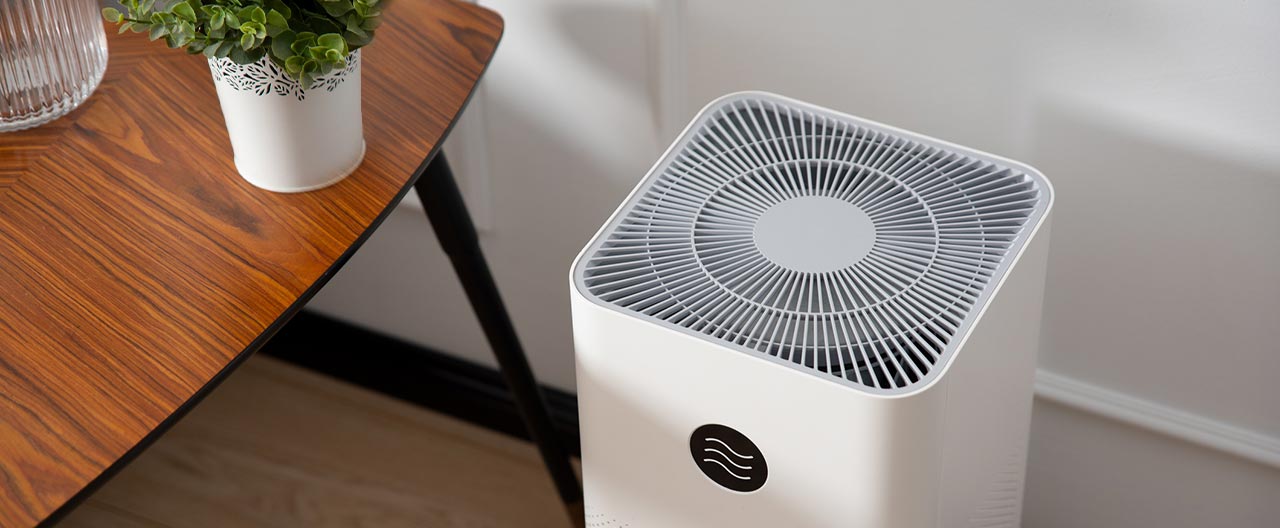
The importance of air conditioner maintenance
Maintaining sprinkler and fire detection systems
How to enhance controls when hiring maintenance contractors
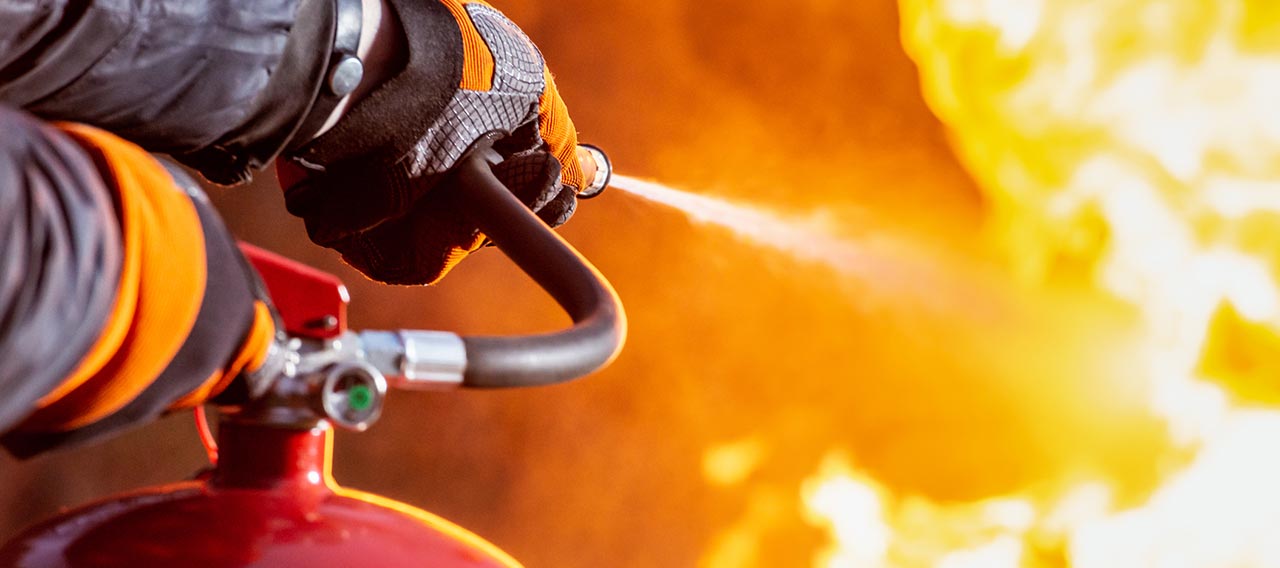
Common equipment and occupancy fire hazards

Importance of adequately maintaining your recreational facilities
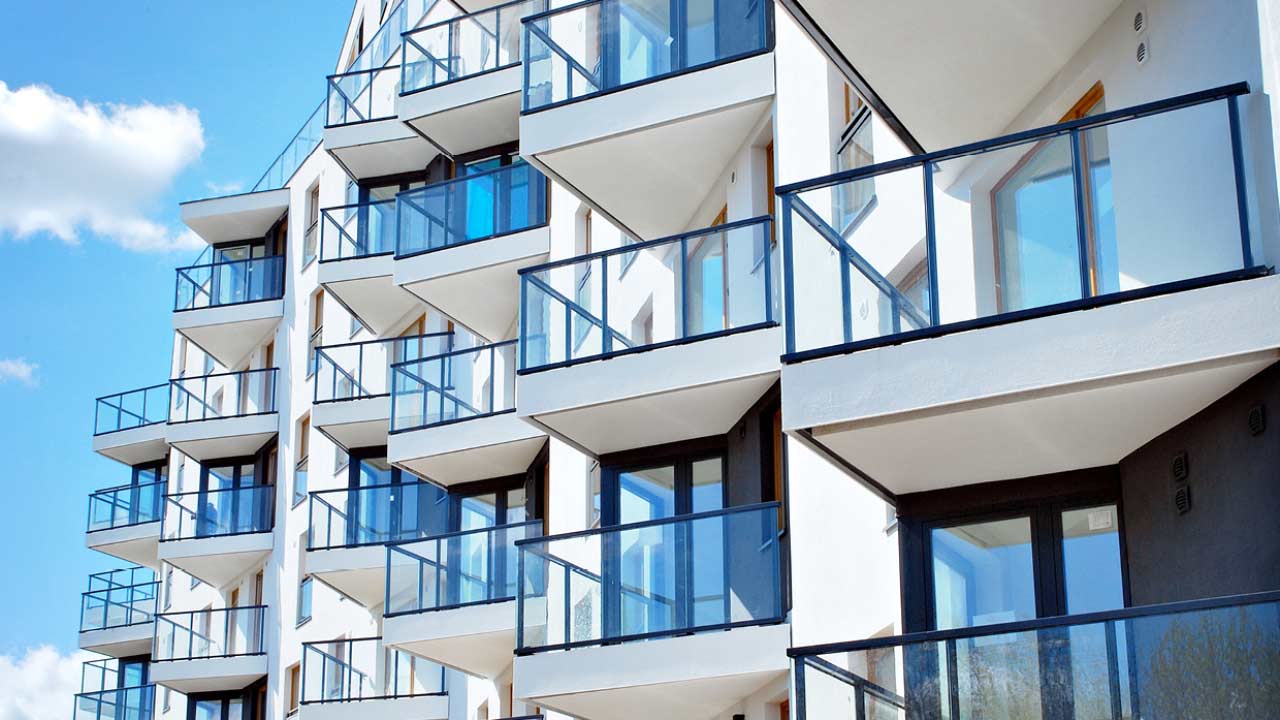
Balconies and balustrades: Safety features for residents
This content is brought to you by Chubb Insurance Australia Limited (“Chubb”) as a convenience to readers and is not intended to constitute advice (professional or otherwise) or recommendations upon which a reader may rely. Any references to insurance cover are general in nature only and may not suit your particular circumstances. Chubb does not take into account your personal objectives, financial situation or needs and any insurance cover referred to is subject to the terms, conditions and exclusions set out in the relevant policy wording. Please obtain and read carefully the relevant insurance policy before deciding to acquire any insurance product. A policy wording can be obtained at www.chubb.com/au, through your broker or by contacting any of the Chubb offices. Chubb makes no warranty or guarantee about the accuracy, completeness, or adequacy of the content. Readers relying on any content do so at their own risk. It is the responsibility of the reader to evaluate the quality and accuracy of the content. Reference in this content (if any) to any specific commercial product, process, or service, and links from this content to other third party websites, do not constitute or imply an endorsement or recommendation by Chubb and shall not be used for advertising or service/product endorsement purposes. ©2026 Chubb Insurance Australia Limited ABN: 23 001 642 020 AFSL: 239687. Chubb®, its logos, and Chubb.Insured.SM are protected trademarks of Chubb.