
- Individuals & Families
- Businesses
- Brokers
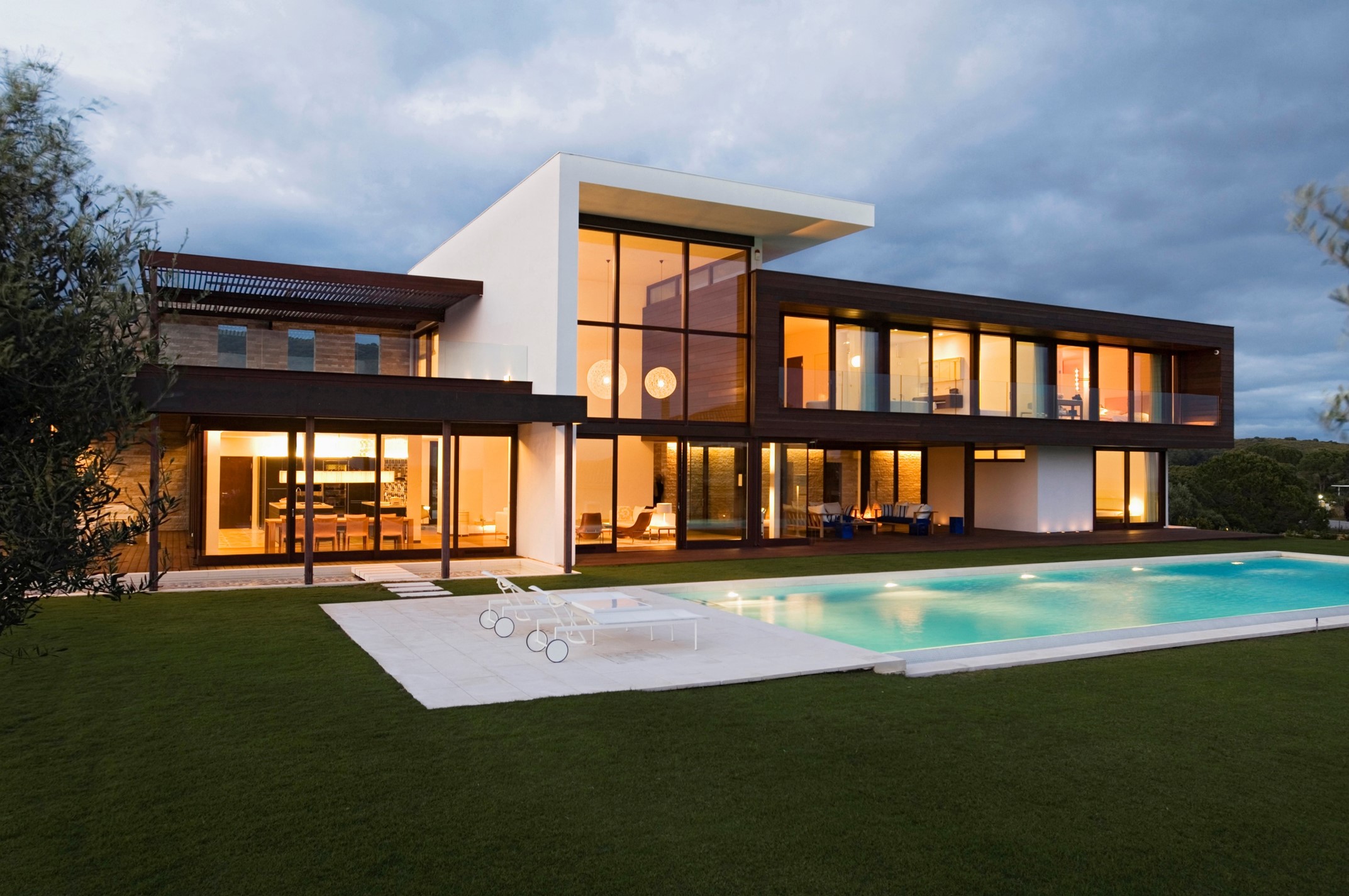
From your home and valuables, to prized collections and jewellery, you have a lot to insure. When you insure your home and contents with Chubb, you will receive a high level of service from an insurer who is specialised in working with successful individuals with high value assets.

For professionals in their first luxury apartment, villa or townhouse through to retirees downsizing from a family house, Masterpiece is also ideal for owners and tenants living in luxury apartments, villas and townhouses.

From high-value homes and fine art collections to luxury vehicles and more, we are here to help ensure that what you treasure most is treated with expertise.

With more than 25 years of experience providing travel insurance to Australians, Chubb Leisure Travel Insurance can help protect you and your family while you travel overseas, knowing Chubb support is there if an incident occurs.

Chubb leverages superior underwriting expertise and world renowned claims, account services, and financial strength to offer insurance solutions for small and medium businesses.

Today's multinational organizations face complex and interconnected risks. We offer insurance solutions that are tailored to global needs as well as local requirements, helping them address their risk challenges.

Our broker resources centre provides you with the latest updates, insights, sales tools, training and much more.
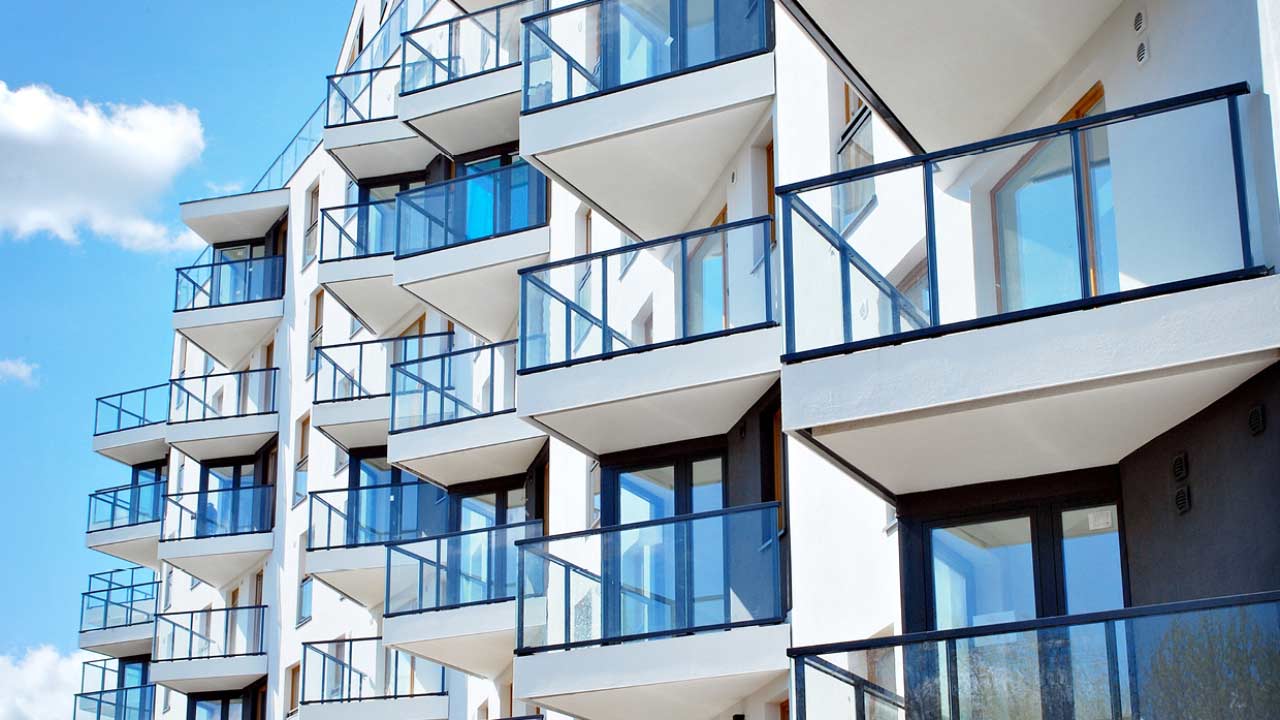
Balconies can be the source of serious, and sometimes fatal, injury, due to falls from balconies or by being hit by objects that fall from balconies.
A balustrade is a row of small columns topped by a rail, generally along staircases and balconies. Faulty construction of the balustrade can lead to collapse or structural failure, particularly if there’s overloading, overcrowding, or deterioration.
Other factors that contribute to falls may include:
- Mechanical failure, such as the height of balustrades not being up to standard or the brackets holding the balustrades not being up to standard.
- Heavy impact and breakage of glass balustrades.
- Sitting on balustrades or placing weight on it when it’s not built to withstand this weight.
- Children climbing on balustrade rails or placing furniture and pot plants on the rails.
- Climbing between floors or other balconies.
- Slipping or tripping on the balcony surface then stumbling over balustrade.
Conducting regular audits
As a preventative measure, building managers should set clear rules and undertake regular compliance audits. These rules should be regularly reviewed to ensure they have kept pace with changes in regulations and within the complex.
The National Construction Code (NCC) 2019 sets out specific guidelines for when balustrades are required and how they must be constructed. Balconies for apartment buildings (Class 2 Building) are dealt with in NCC Volume 1, Section D2.16.
For example, a continuous balustrade or other barrier must be provided along the side of a balcony, deck or verandah “if the trafficable surface is one metre or more above the surface beneath”.
Some of the main requirements for barriers include:
- Barrier heights must be more than one metre above the floor.
- Any opening must not permit a 125 millimetres diameter sphere to pass through it.
- For floors more than four metres above the surface beneath, any horizontal or near horizontal elements between 150 – 760 millimetres above the floor must not facilitate climbing.
The above requirements are subject to change depending on where the barrier is located. Please refer to the NCC 2019 for more detail on barrier requirements.
Wire balustrades requirements
The NCC 2019 has requirements for wire balustrades that are significantly different to rigid balustrades. The code includes regulations for minimum wire tension, maximum allowable deflections, support post spacing and wire spacing for various wire diameters and wire lays. The maximum allowable wire spacing for a wire balustrade is 100 millimetres, but may vary depending on the factors mentioned above.
Best practice requirements
To reduce the risk of personal injury in relation to falls of people or objects from heights, management and other qualified persons should conduct an initial survey of the property including:
- Structural adequacy of balconies, particularly in older buildings.
- Condition of balustrades including structural adequacy of railing, posts and fittings, particularly in coastal locations where corrosion is a big issue.
- Compliance of balustrade with latest NCC Requirements. Ensure that balustrades are installed where required.
- Monitor the activities of residents, such as their storage, equipment, furniture, pot plants etc. Point out anything that could be a potential hazard.
- Any windows on high levels from which a person could fall. These should be protected by security screens or should not be opened to more than 125 millimetres.
- Fixed furniture, pot plants, air conditioners should be at least one metre away from balustrades.
- Wet slip resistance testing of balcony surfaces.
These issues should then be further assessed, prioritised and controlled. The following ongoing procedures should be implemented:
- Communicate with owners/residents regarding the risks and issues.
- Regular self-inspections of structure and resident activities.
- Publicise rules regarding activities on balconies.
- Place warning signs or stickers on doors which provide access to balconies.
- Have a procedure for removal of all items from balconies when adverse weather such as storms or strong winds are forecast.
- Enforce that all installation or modifications must be approved by building managers and completed by qualified contractors.
https://www.fairtrading.nsw.gov.au/housing-and-property/building-and-renovating/after-you-build-or-renovate/deck-and-balcony-safety
https://legislation.nsw.gov.au/view/html/inforce/current/act-2015-050
https://www.nsw.gov.au/news/window-safety-locks-required-apartments
https://www.fairtrading.nsw.gov.au/housing-and-property/renting/during-a-tenancy/health,-safety-and-security
https://www.vba.vic.gov.au/consumers/guides/balconies-decks-balustrades
https://www.qld.gov.au/housing/buying-owning-home/maintenance-modifications/decks-balconies
Resources
Strata Insurance
Property Insurance
Insights and Expertise
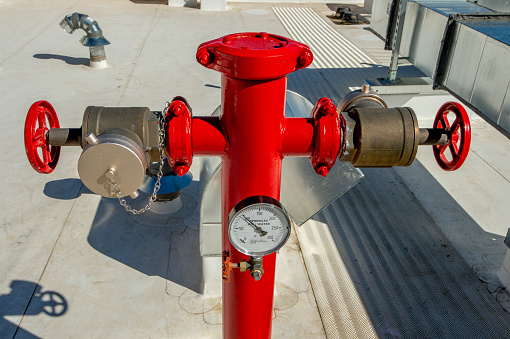
Effective life safety emergency procedures and features
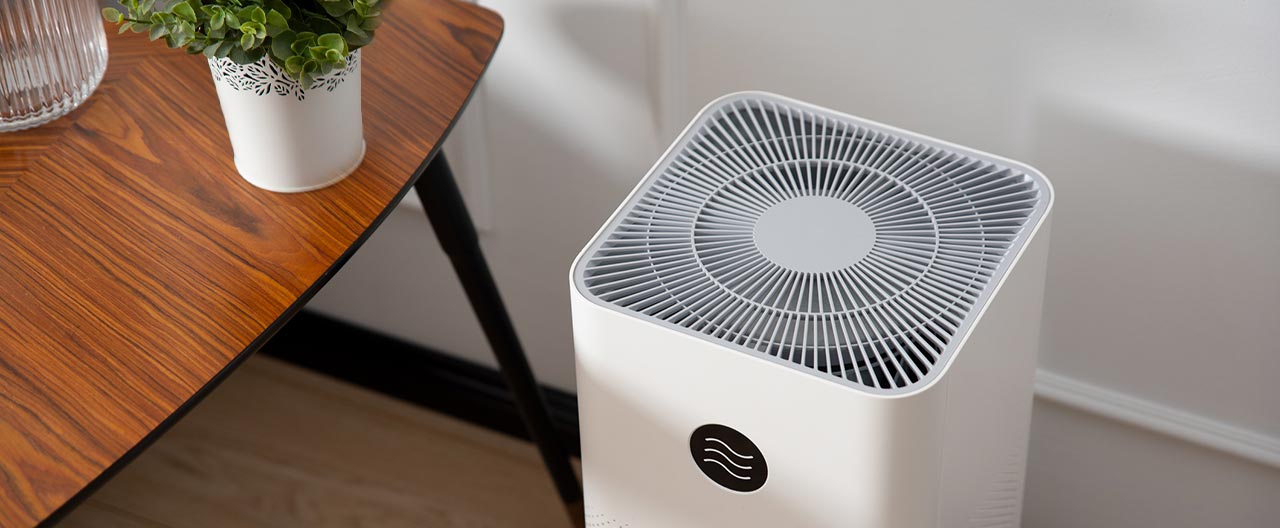
The importance of air conditioner maintenance
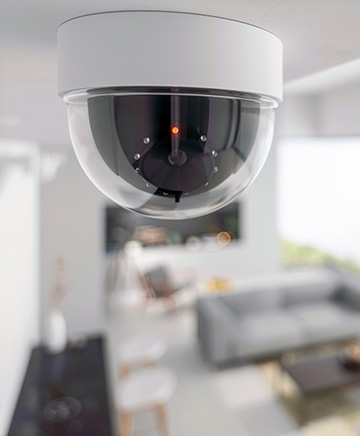
Maintaining sprinkler and fire detection systems
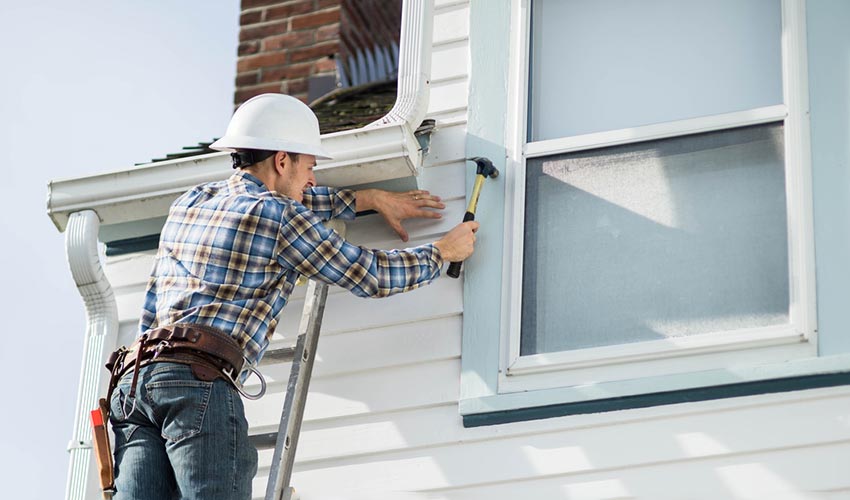
How to enhance controls when hiring maintenance contractors
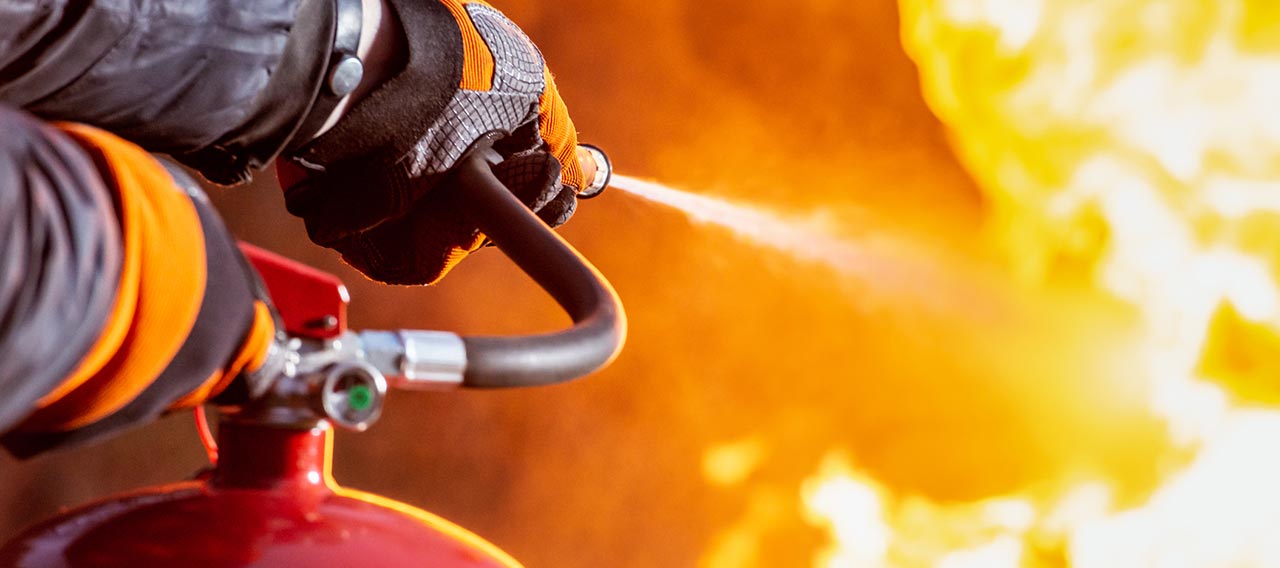
Common equipment and occupancy fire hazards
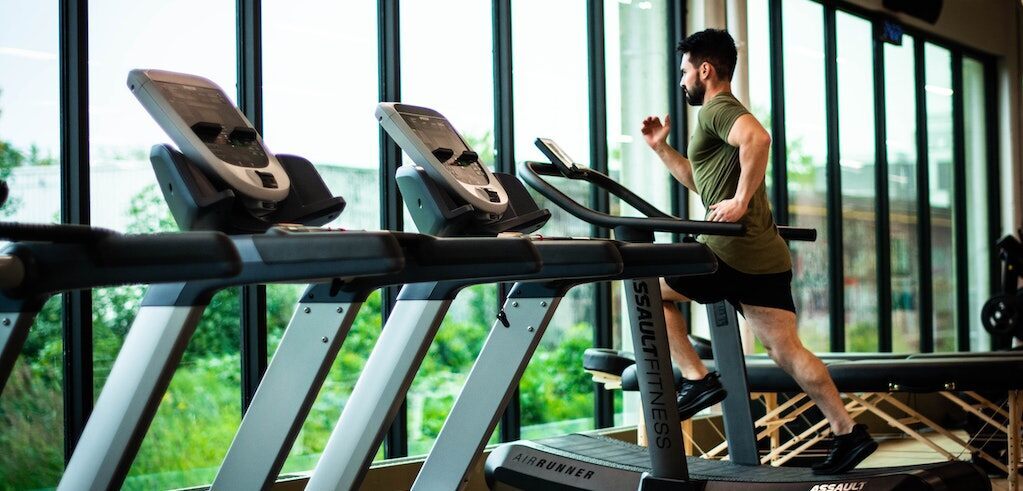
Importance of adequately maintaining your recreational facilities
This content is brought to you by Chubb Insurance Australia Limited (“Chubb”) as a convenience to readers and is not intended to constitute advice (professional or otherwise) or recommendations upon which a reader may rely. Any references to insurance cover are general in nature only and may not suit your particular circumstances. Chubb does not take into account your personal objectives, financial situation or needs and any insurance cover referred to is subject to the terms, conditions and exclusions set out in the relevant policy wording. Please obtain and read carefully the relevant insurance policy before deciding to acquire any insurance product. A policy wording can be obtained at www.chubb.com/au, through your broker or by contacting any of the Chubb offices. Chubb makes no warranty or guarantee about the accuracy, completeness, or adequacy of the content. Readers relying on any content do so at their own risk. It is the responsibility of the reader to evaluate the quality and accuracy of the content. Reference in this content (if any) to any specific commercial product, process, or service, and links from this content to other third party websites, do not constitute or imply an endorsement or recommendation by Chubb and shall not be used for advertising or service/product endorsement purposes. ©2026 Chubb Insurance Australia Limited ABN: 23 001 642 020 AFSL: 239687. Chubb®, its logos, and Chubb.Insured.SM are protected trademarks of Chubb.