
- Individuals & Families
- Businesses
- Partners & Advisers
- Get a Quote

Masterpiece® is Chubb’s prestige home and contents insurance offering for people with significant assets to insure who appreciate a premium level of cover and service that is customisable to their needs.

Chubb's cover options for your leisure travel.

Chubb leverages superior underwriting expertise and world renowned claims, accounts services, and financial strength to offer solutions for small and medium businesses.

Backed by our product breadth, financial strength and global network, we offer customised cover for your varied needs so that you can focus on growing your business.

Here to support you and the important work that you do.

Whether you’re a distributor or broker, you can be assured of our corporate capabilities when you partner with Chubb.

Chubb Travel Insurance establishes relationships with partners to provide personal travel insurance cover for their clients.

If you’d like to get protection from the comfort of your own kitchen, Chubb Life makes it easy. Get an instant quote from our simple online tool. You’ll be surprised about how little time it may take.

Chubb Leisure Travel Insurance can help you and your family enjoy your time overseas, knowing that should an incident happen you are Chubb-insured and there is assistance at hand.
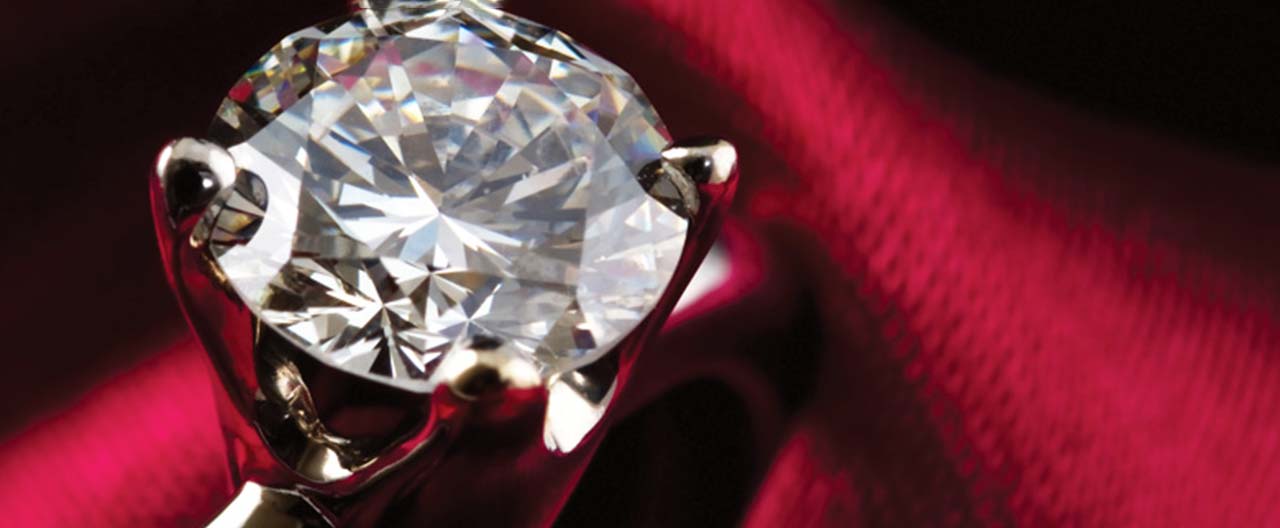
Getting married is an exciting chapter to embark on. Choosing that perfect engagement ring is one of the most important first decisions to make. After all, this ring is meant to be worn and cherished for a lifetime.
Other than that age old tradition of getting down on your knees and saying the four magic words, here are some tips on how to make that right choice and what you should be thinking of when you are looking to purchase an engagement ring.
1. Factor 1 – Know your fiancée's preference in jewellery
Diamond, sapphire, ruby … … The choices are aplenty!
What kind of stone, type of setting, and/or colour of precious metal does your fiancée like? Consider the design of other jewellery she loves, or ask her mother or close friends for an idea of her preferences.
2. Factor 2 - Determine her ring size
If you don’t know this yet, the best solution is to secretly borrow one of her other rings and have them measured by a jeweller. Do note that there can be up to a half finger-size difference between the left and right hands, which can be easily adjusted after you have given the ring.
3. Factor 3 – The decision whether to choose a diamond
Diamonds are the hardest substance known to man and have more brilliance and fire than any other gemstone. It will withstand daily wear and look beautiful for decades. This has always been the traditional choice of stone for engagement rings.
4. Factor 4 – Other popular gemstones used for engagement rings
Sapphires and rubies are also both very popular engagement stones and their high degree of hardness, second only to diamonds, makes them durable for a lifetime. Emeralds are not as hard or as durable as sapphires, rubies and diamonds, however if they are set with a gold rub over setting, this will greatly help to protect the emerald in the long term.
Some stones that are not ideal for engagement rings include opals, which may dry out and crack with daily wear and are better for occasional wear. Pearls, whether cultured or natural, can absorb liquids and stain. Cultured pearls usually have several microns of nacre — diamond-shaped crystals of calcium carbonate, also known as mother-of-pearl — on the surface, which will eventually erode and not look as good in five to 10 years.
Overall, it’s best to avoid stones graded below 7 in hardness in the MOHs scale1.
5. Factor 5 - The 4Cs
When it comes to diamonds, the 4Cs represent:
- Colour
- Clarity
- Cut
- Carat Weight
The 4Cs are the four standards for judging the quality of any diamond. Developed by the Gemological Institute of America (GIA) in 1953, the grading system is used throughout the world and is a trusted indication of quality.
When choosing a diamond, the four C’s are to be considered together. You should closely compare different stones, and weigh factors such as size against colour and clarity. Remember that if this ring will be worn every day, it doesn’t have to be a top-rated D Flawless. With the naked eye, people can’t identify a VVS1 diamond from a VS2, but the price can vary significantly.
6. Factor 6 – The diamond certificate and its importance
A certificate documents the vital statistics of a diamond, including its weight, colour and clarity, the proportions of the stone, the cut and polish. Always ask for a certificate and, if necessary, get advice to help you fully understand it. The best recommended is called a GIA certificate.
7. Factor 7 – Important notes with regard to setting stones on a ring
The number of prongs and how they’re constructed is very important. There should be four to six prongs securing the stone. Assess the durability of the prongs, especially on a pre-worn ring. If they are made of thin metal, it’s not impossible for a claw to get caught on clothing and be bent backwards; if the ring only has four prongs, you could lose your stone.
8. Factor 8 – Gold versus platinum
The decision to select a ring in yellow, white or pink gold versus platinum is a personal one. Platinum is slightly more dense, making it heavier than gold, and some people enjoy this more solid feel. Platinum will dull a bit with age but can be polished, while white gold brightens with wearing. Platinum is more ductile, and therefore it’s often used in delicate settings.
The most popular choice for an engagement ring has always been a round, brilliant-cut diamond, as it has the most brilliance and sparkle of all the various cuts and is particularly robust to last a lifetime.
Buyers are advised to examine pieces carefully and to seek advice from the experts.
There are a wide variety of designs, cuts and settings, which can be of high quality and some with high values. The best advice is to have some knowledge before you make your decision. After all, an engagement ring is a symbol of bringing together the lives of two people in a symbol of love, honour and commitment for many years to come.
1 MOH scale (mōz) is a scale used to measure the relative hardness of a mineral by its resistance to scratching.
© 2017 Chubb. All rights reserved.
Insights and expertise

Buying art at auctions
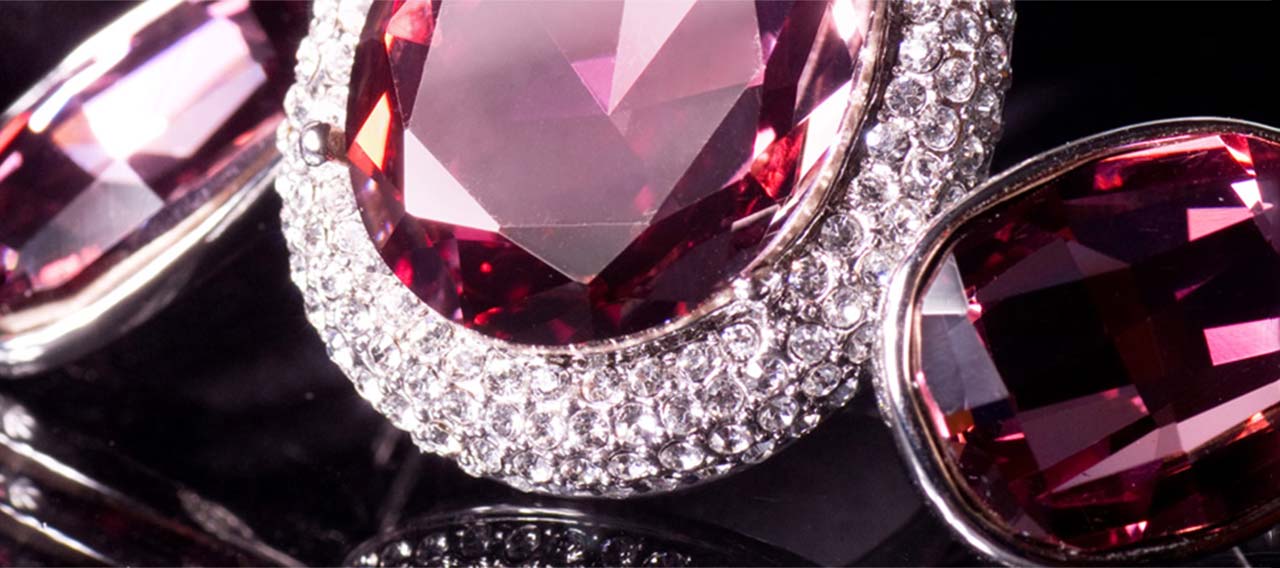
Tips on buying jewellery for that special someone on Valentines’ Day
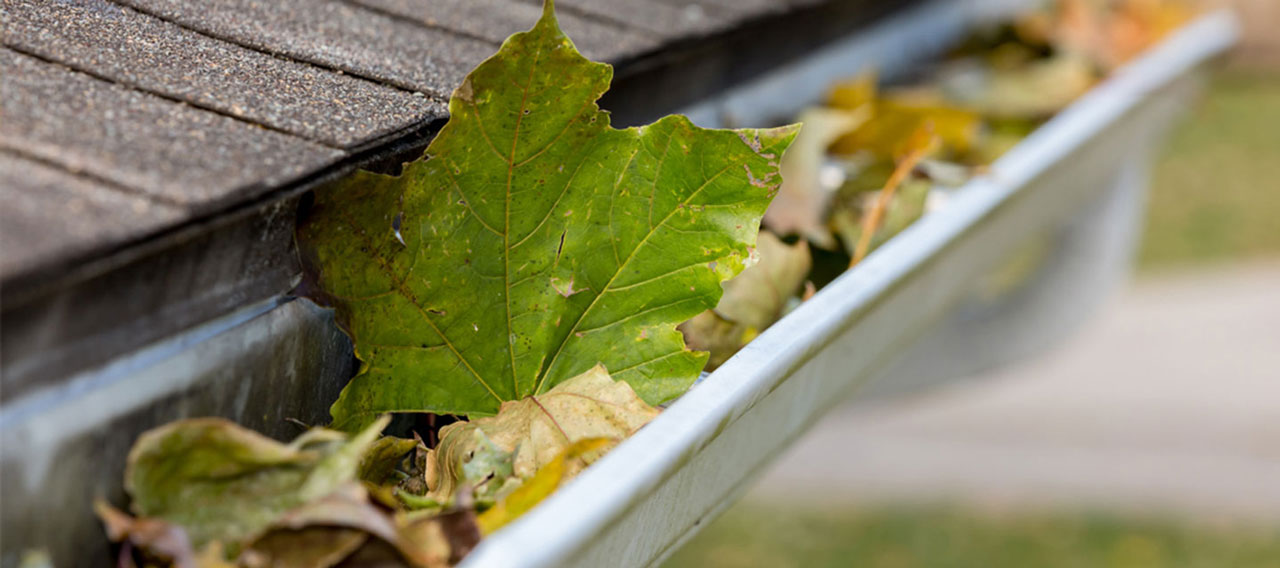
Top 8 cleaning tasks for your home

When the hammer falls
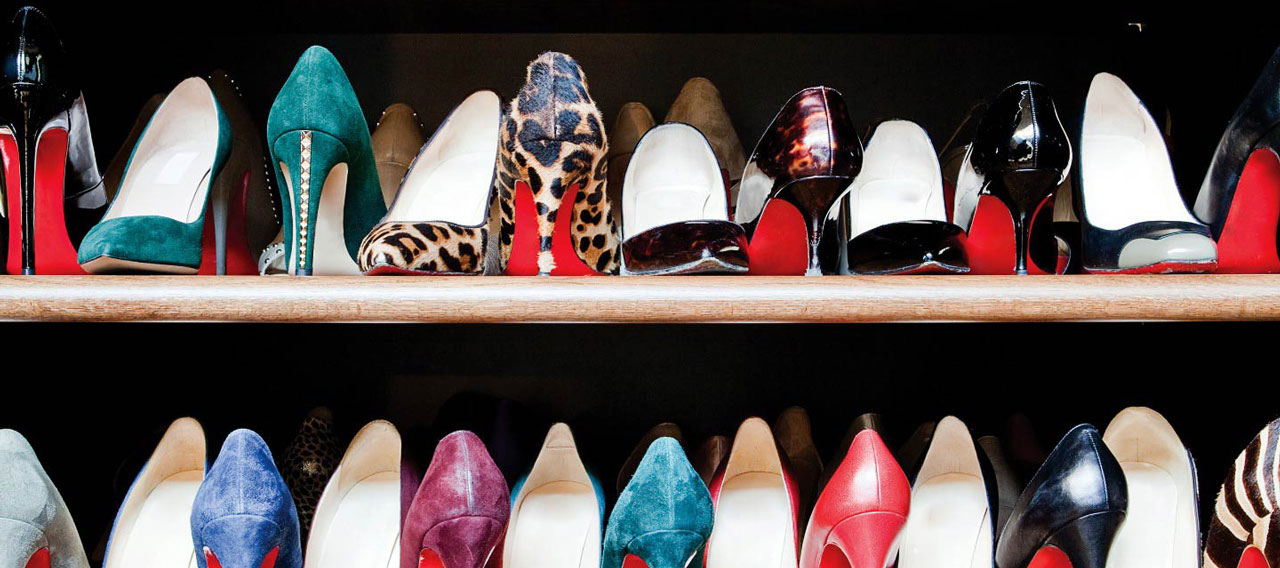
Assessing the value of your wardrobe
Caring and safeguarding your jewellery
This content is brought to you by Chubb Insurance New Zealand Limited (“Chubb”) as a convenience to readers and is not intended to constitute advice (professional, financial or otherwise) or recommendations upon which a reader may rely. Any references to insurance cover are general in nature only and may not suit your particular circumstances. Chubb does not take into account your personal objectives, financial situation or needs and any insurance cover referred to is subject to the terms, conditions and exclusions set out in the relevant policy wording. Please obtain and read carefully the relevant insurance policy before deciding to acquire any insurance product. A policy wording can be obtained at www.chubb.com/nz-en through your broker or by contacting any of the Chubb offices. Chubb makes no warranty or guarantee about the accuracy, completeness, or adequacy of the content. Readers relying on any content do so at their own risk. It is the responsibility of the reader to evaluate the quality and accuracy of the content. Reference in this content (if any) to any specific commercial product, process, or service, and links from this content to other third party websites, do not constitute or imply an endorsement or recommendation by Chubb and shall not be used for advertising or service/product endorsement purposes. ©2026 Chubb Insurance New Zealand Limited Company No. 104656 FSP No. 35924. Chubb®, its logos, and Chubb.Insured.℠ are protected trademarks of Chubb.